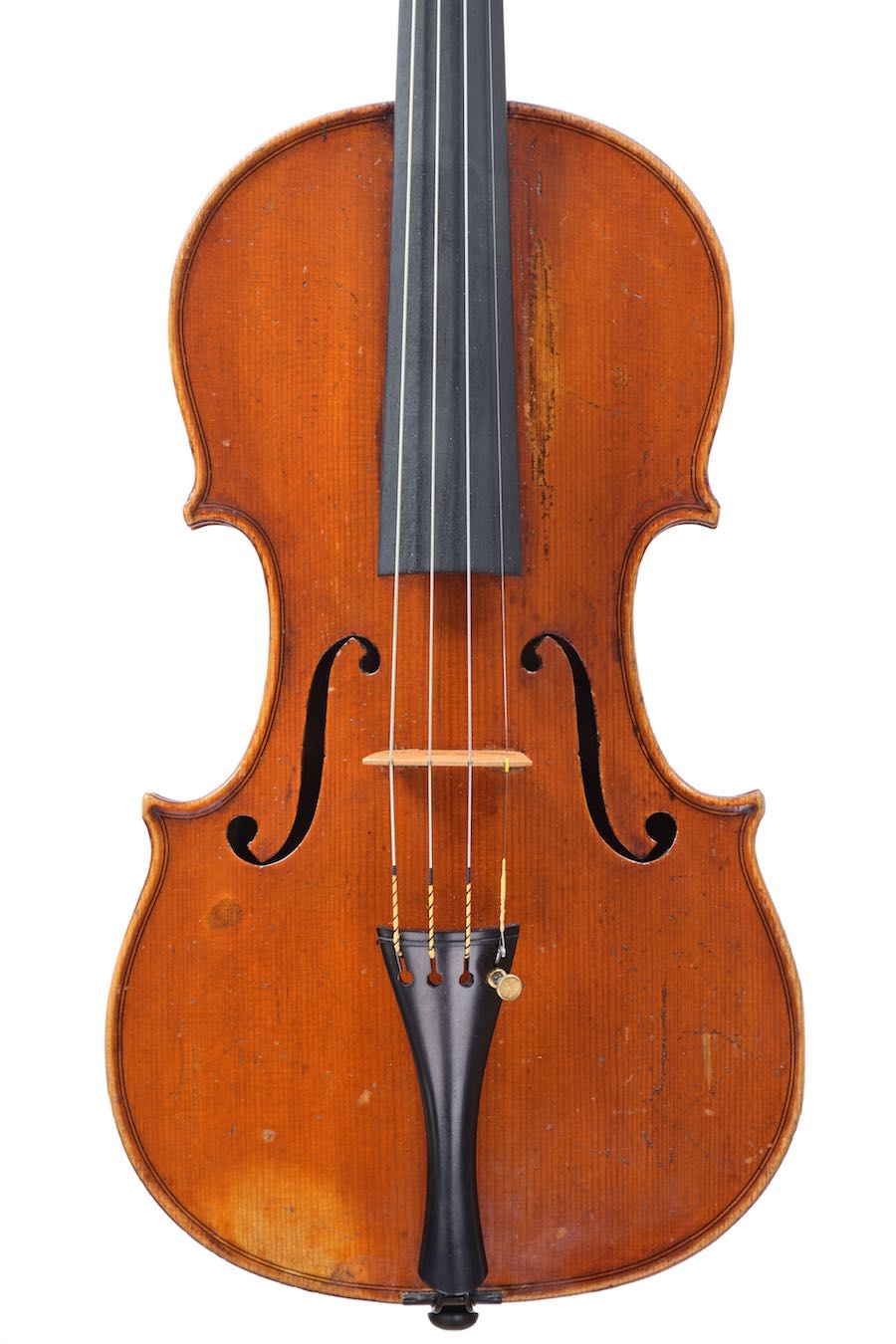
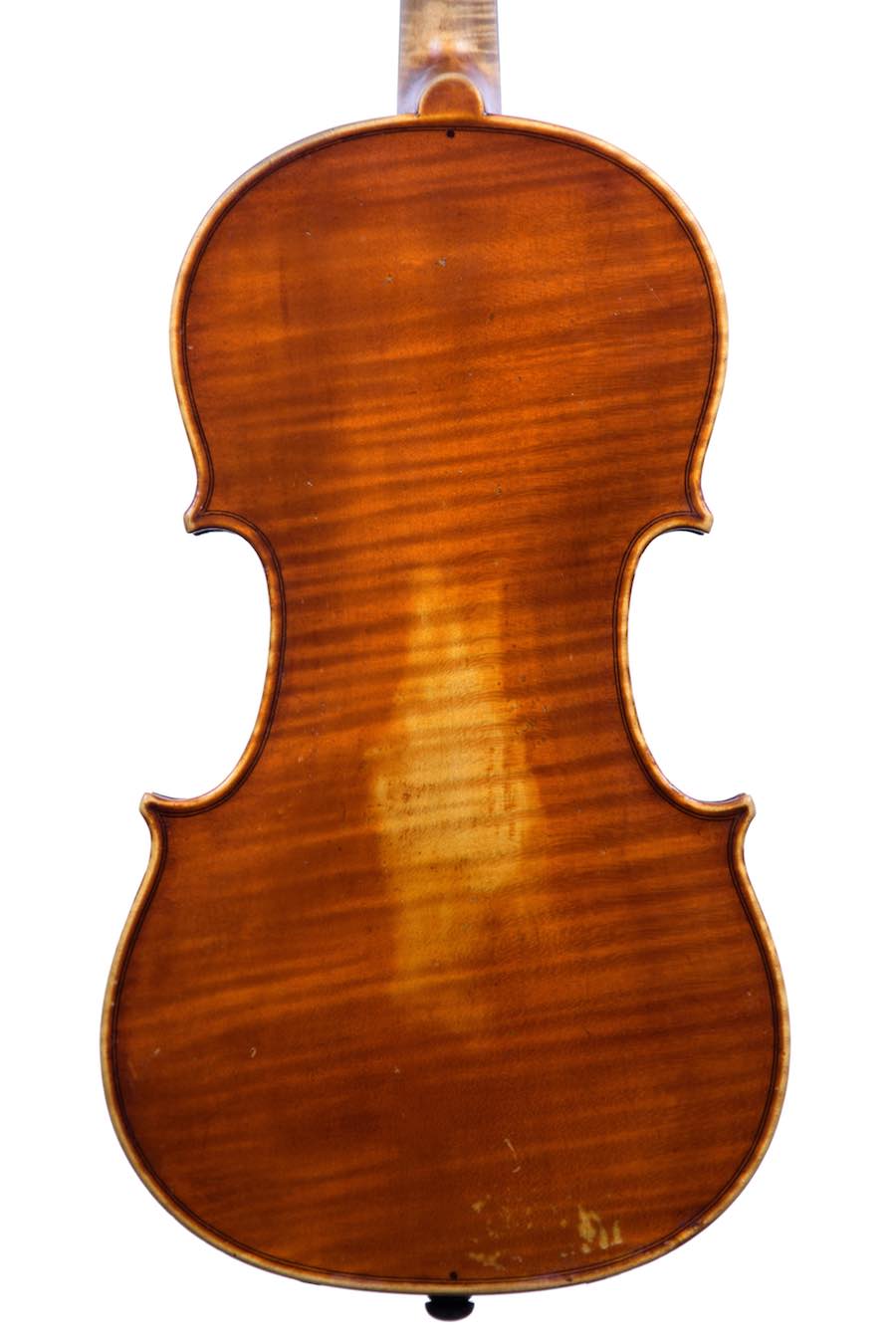
Born in Monferrato in 1864, Celeste Farotto (this is his real name transcribed in Farotti due to a registration error) began to take an interest in lutherie only late in life, having previously worked as a carpenter. Presenting his first instruments made around 1895 to local musicians, he received encouragement and was pushed to move to Milan to undertake the profession of instrument-maker. After having relocated in the Lombard capital, Farotti does not seem however to have had regular collaborations with any of the important shops active in the city, primarily Leandro Bisiach, and started his business independently.
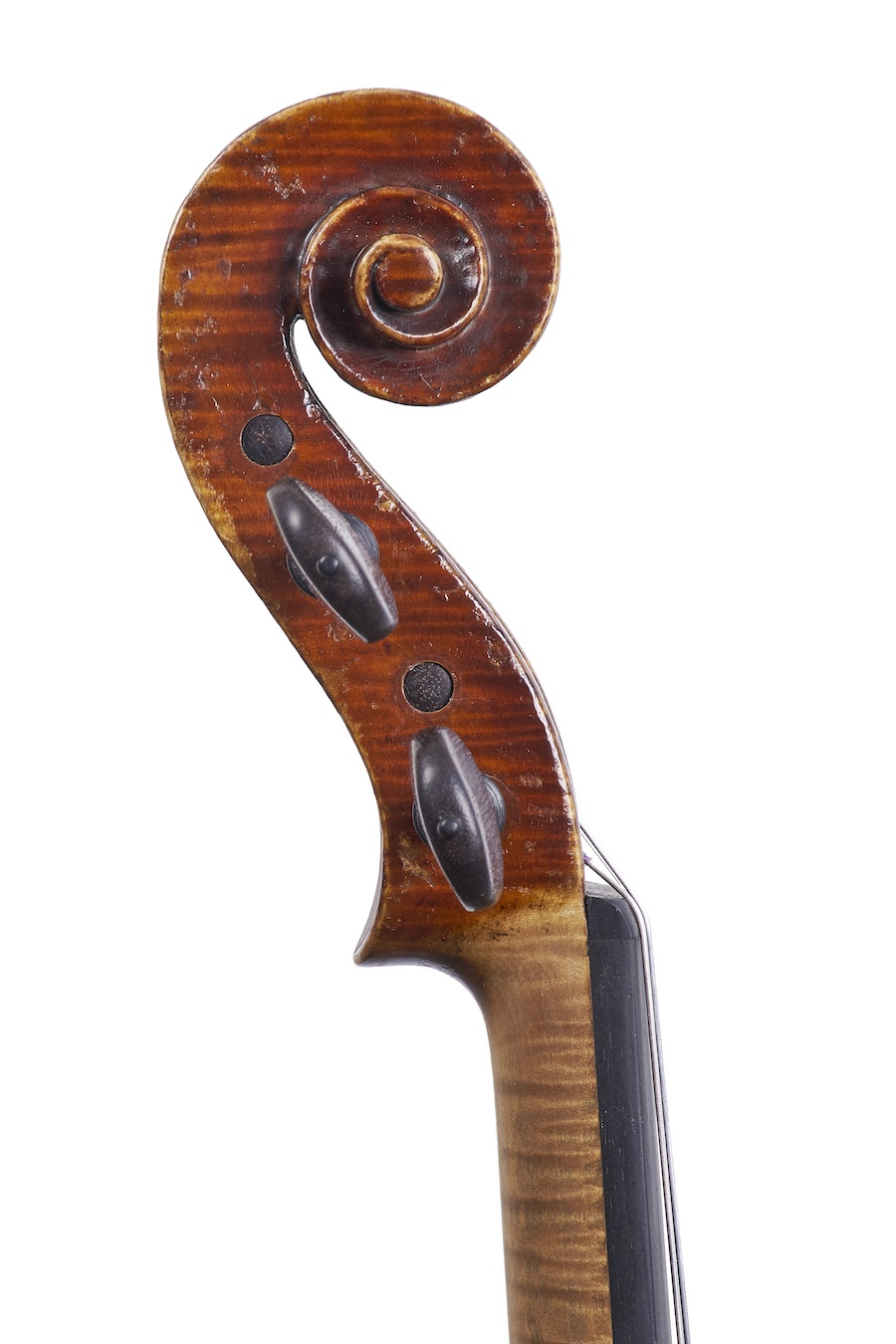
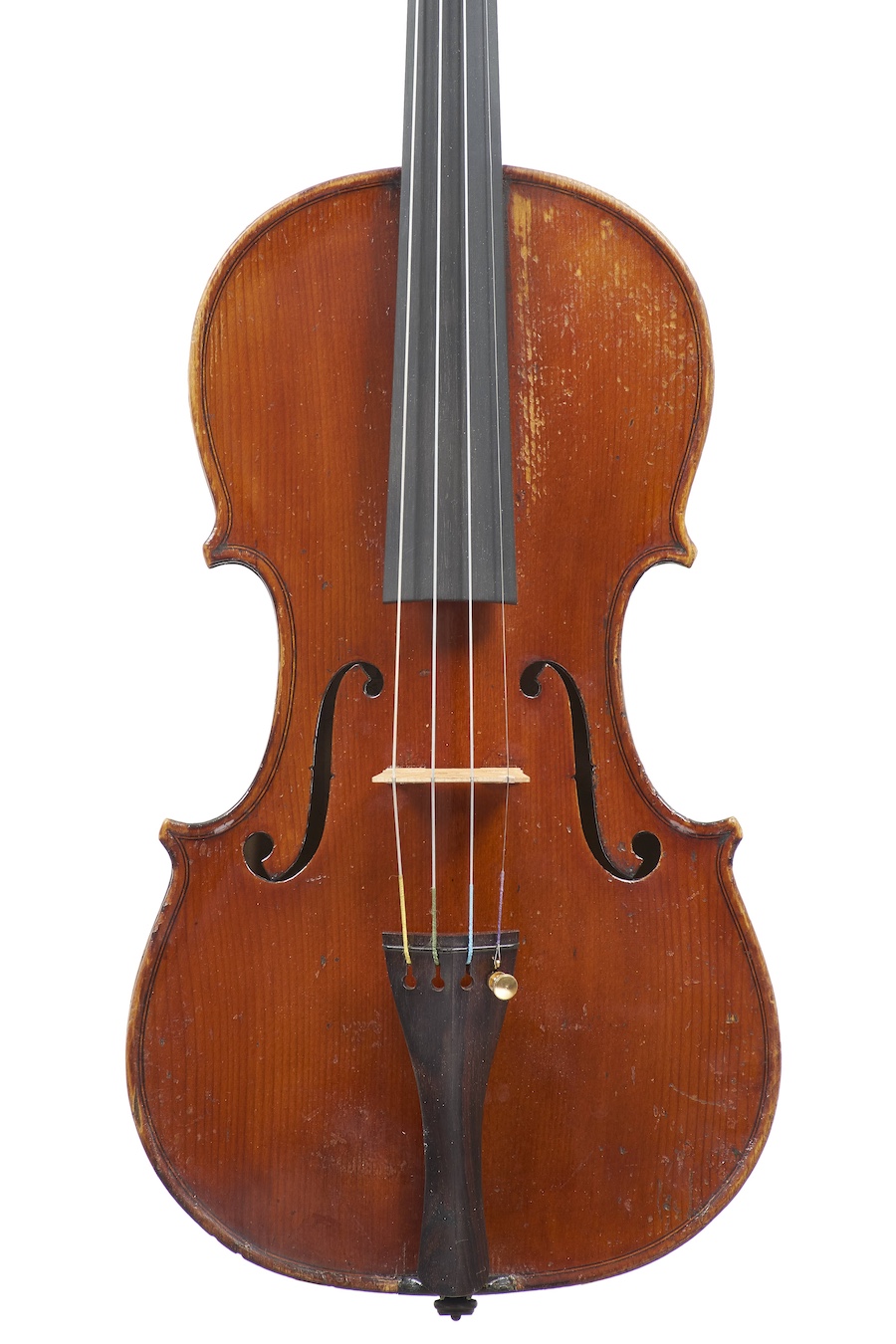
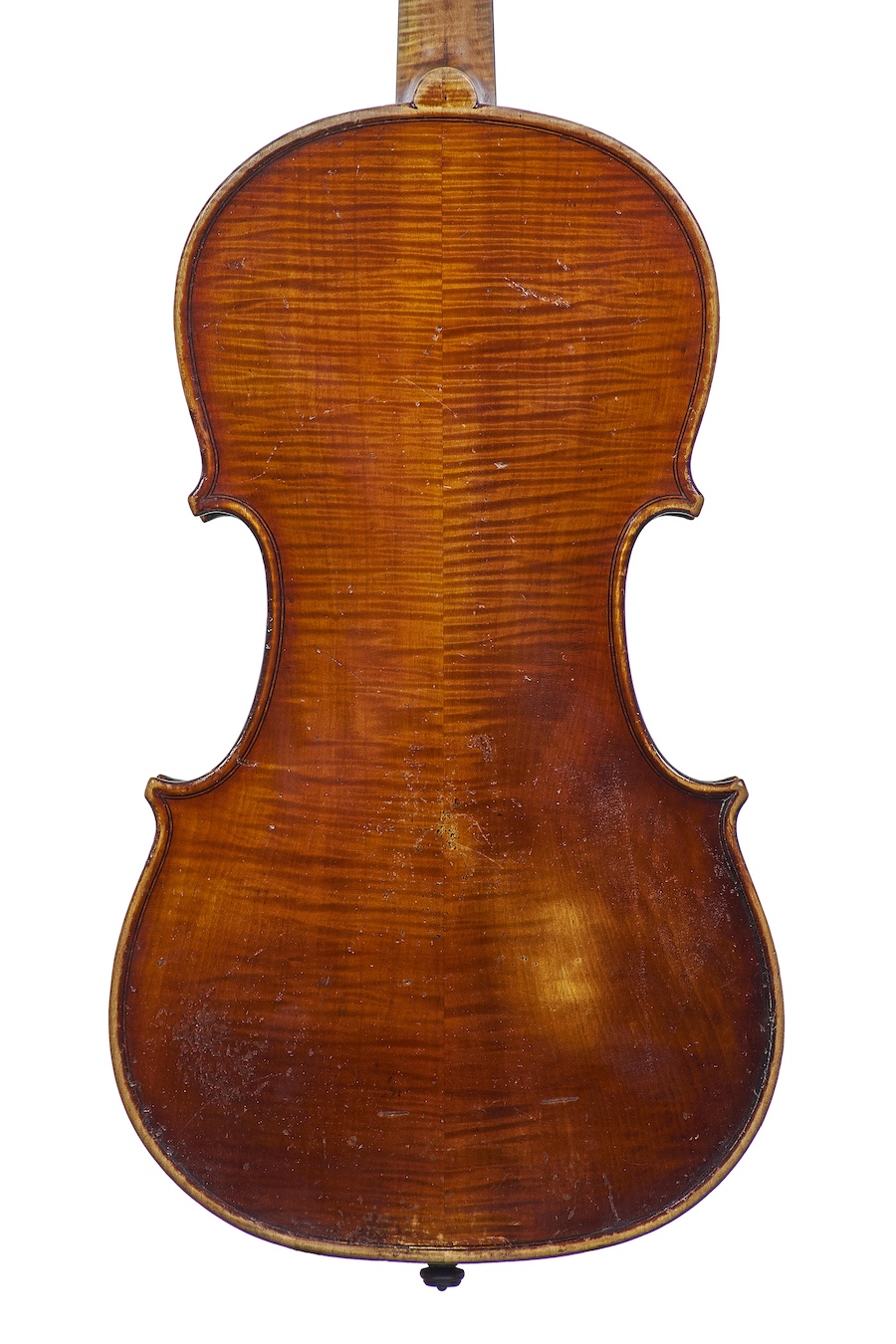
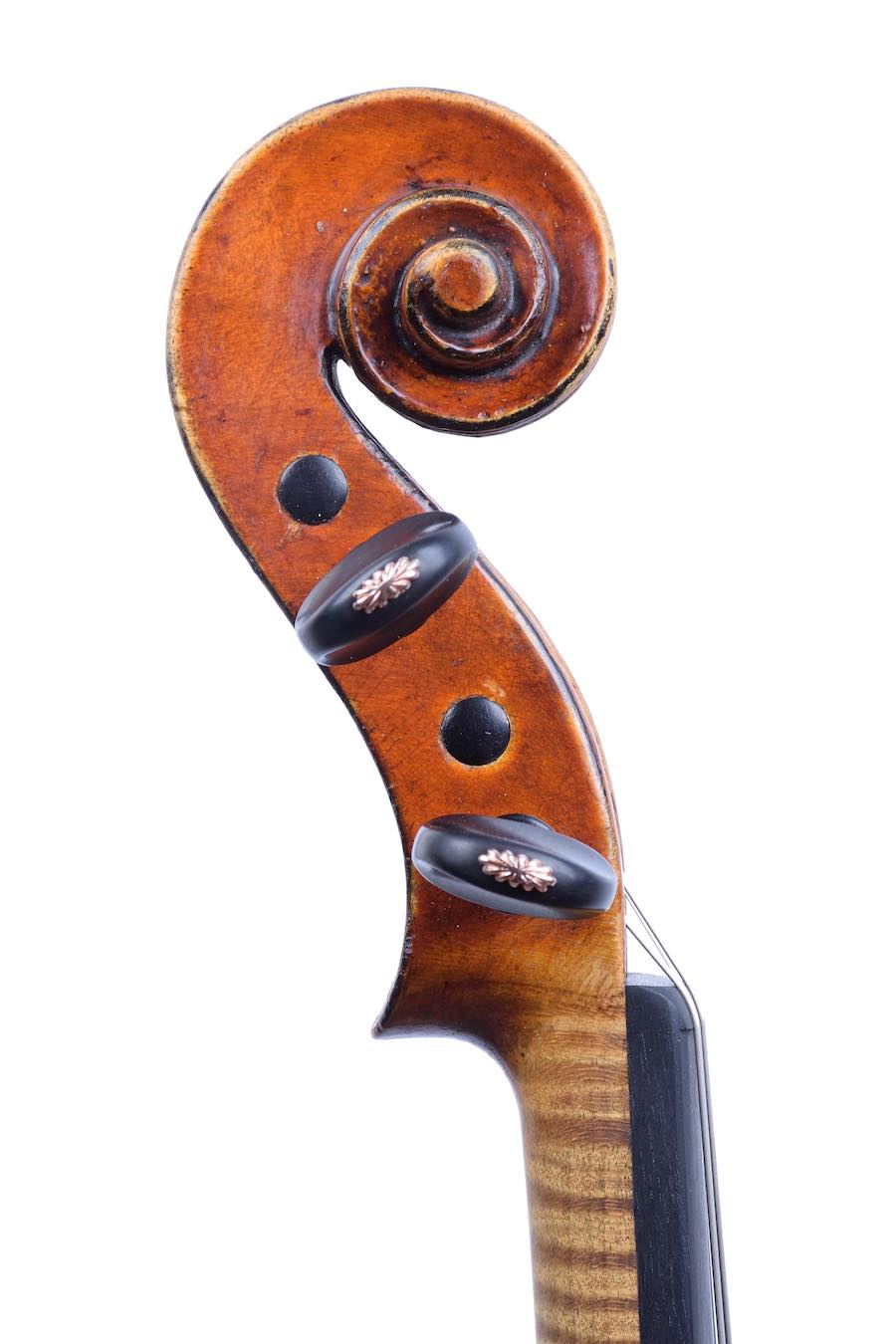
Nonetheless, his workshop quickly met with great success, both in construction and in repairs, and it was precisely by restoring old instruments that Farotti was able to refine his taste. His production was very conspicuous and a large number of works were copied from ancient violins. The heavy workload prompted Celeste to call her brother Salvatore from Piedmont to work with him, and after the war he was also assisted by his nephew Celestino Farotto and Alfredo Lanini. In his new instruments, Celeste's work shows many similarities with those from his land of origin, and in fact his favorite models were those by Giovanni Francesco Pressenda and Giuseppe Rocca. A certain influence of the Milanese school can instead be seen in the longer corners, in the edge, rather rounded, and in the elegant model of the sound-holes. The heads were quite personal, with the eye displaced slightly towards the upper part of the volute, which has a wide second turn. The front view of the scroll is straight and angular, while on the back side it ends in an oval shape. Farotti used small, dark colored placement pins; his varnish (on new instruments) is mostly red-orange.