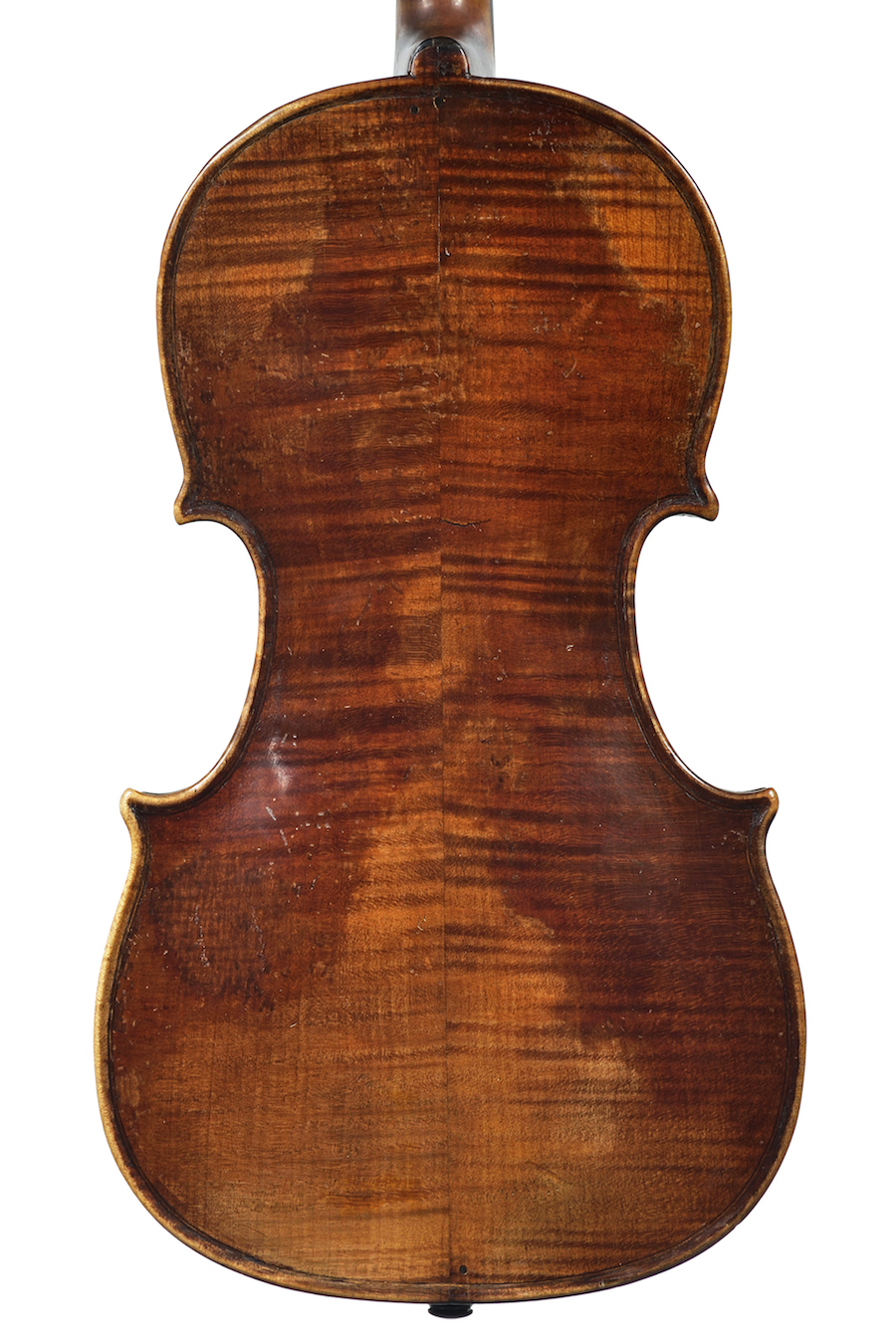
Born in Naples in 1879, Vincenzo Sannino trained as a violinist in the Conservatory of his city. Here he may have come into contact with some luthiers of the previous generation: Giuseppe Desiato and Francesco Verzella, although the maker who exercised the greatest influence on his future work was Giovanni Tedesco. The turning point in Sannino's career was however given by the acquaintance with the German dealer Fridolin Hamma, whom the young man accompanied on his Italian trips in search of instruments, assisting him as a translator. His horizons thus expanded considerably and Sannino was inspired by several different models of the Italian tradition, not solely from Naples.
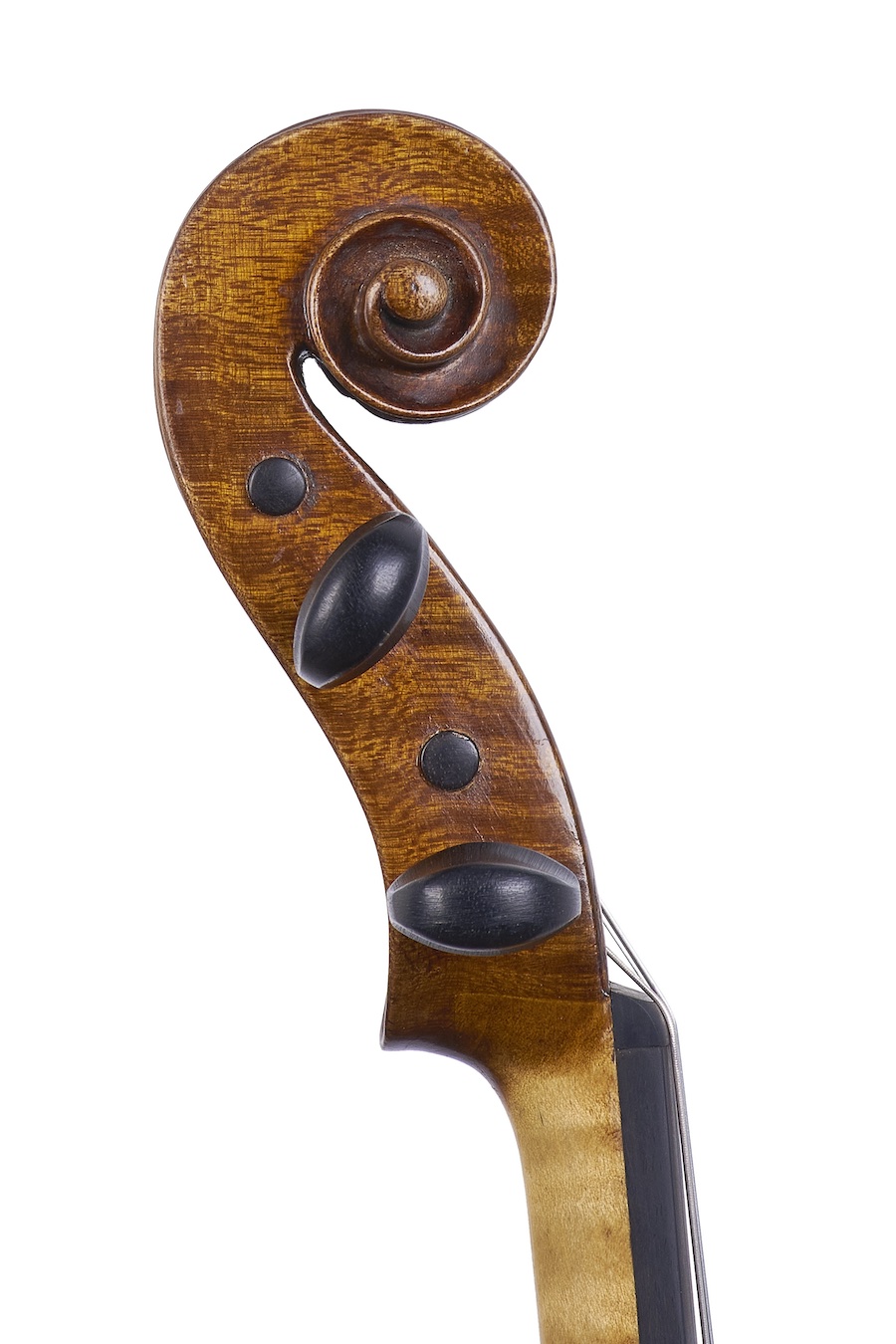
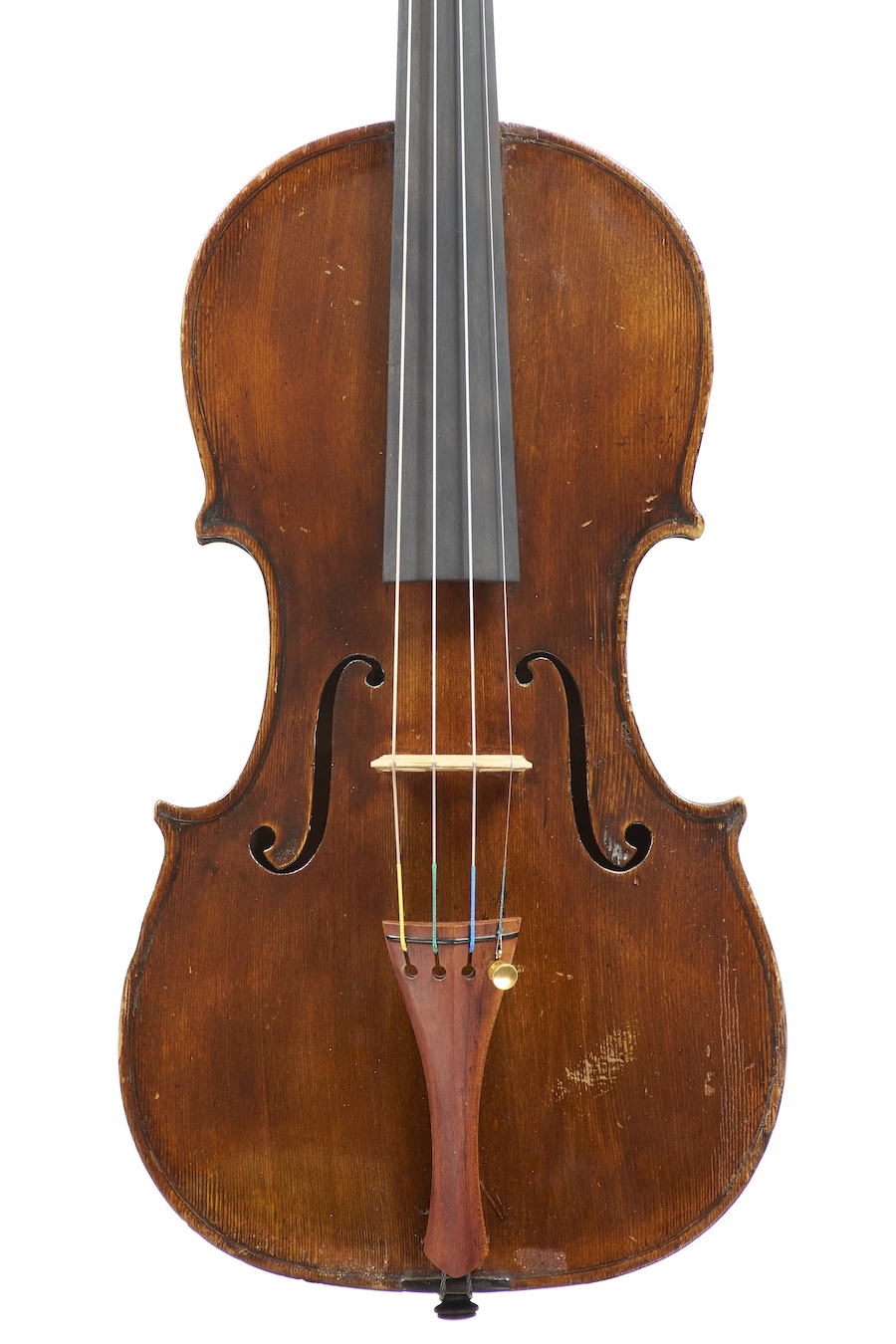
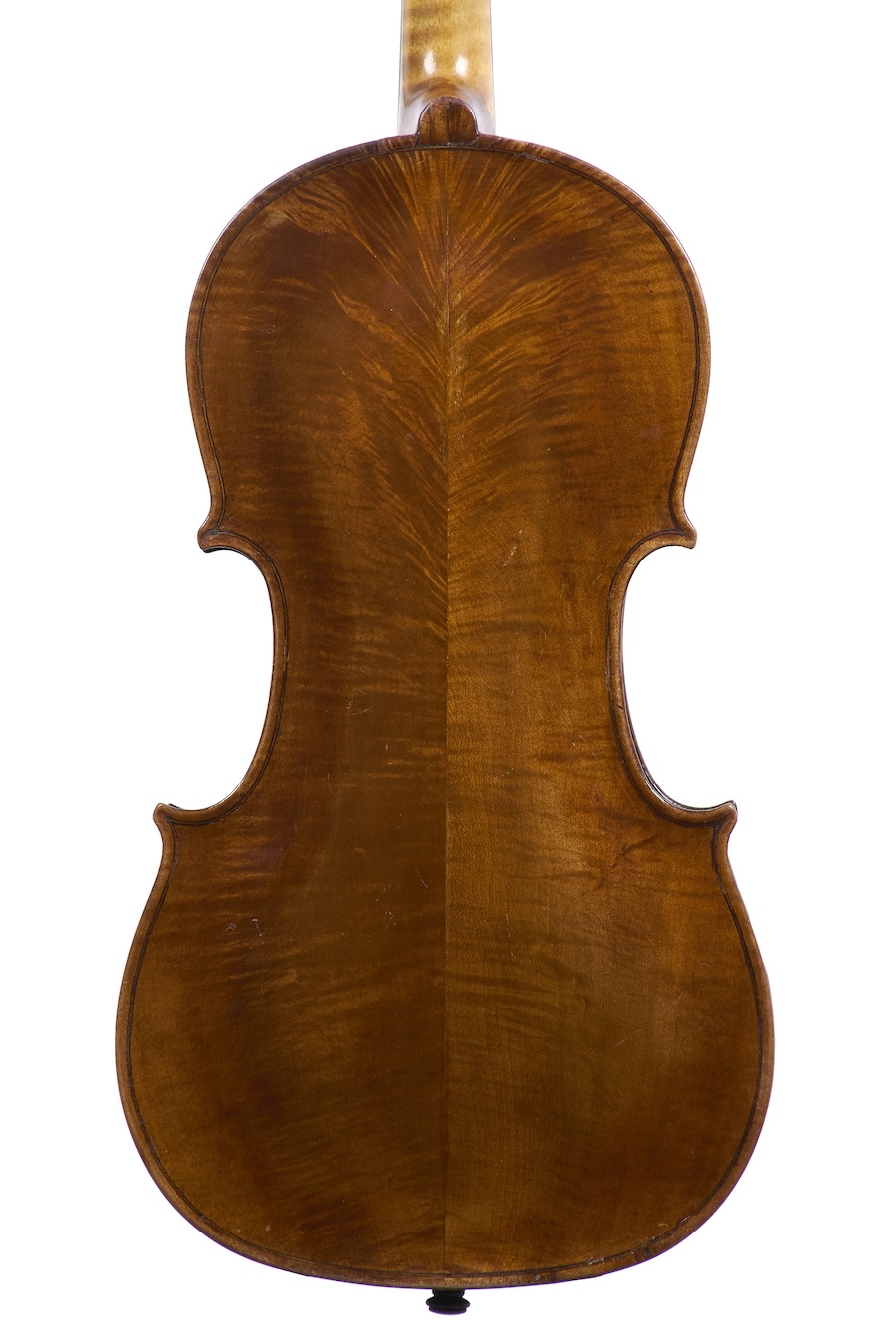
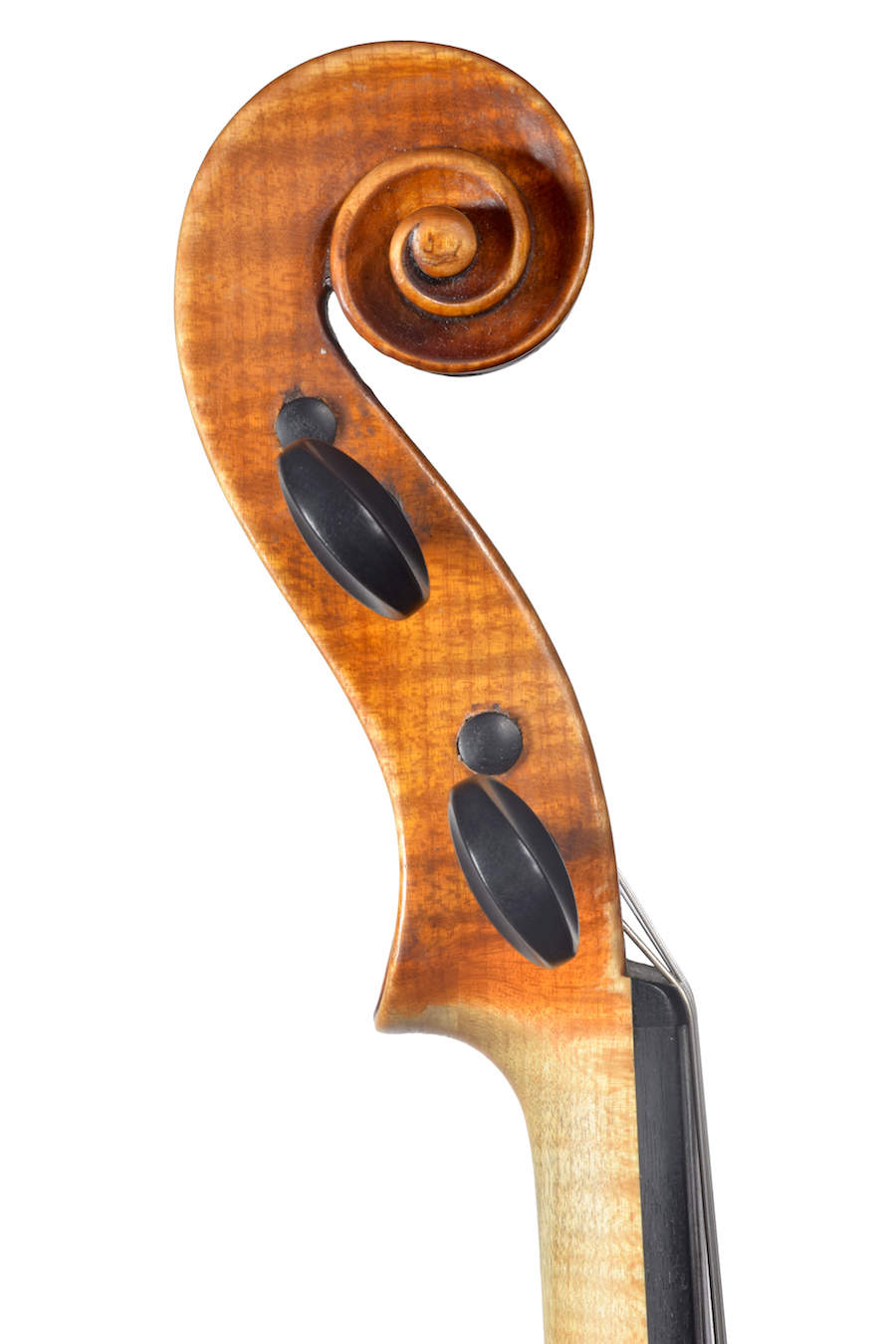
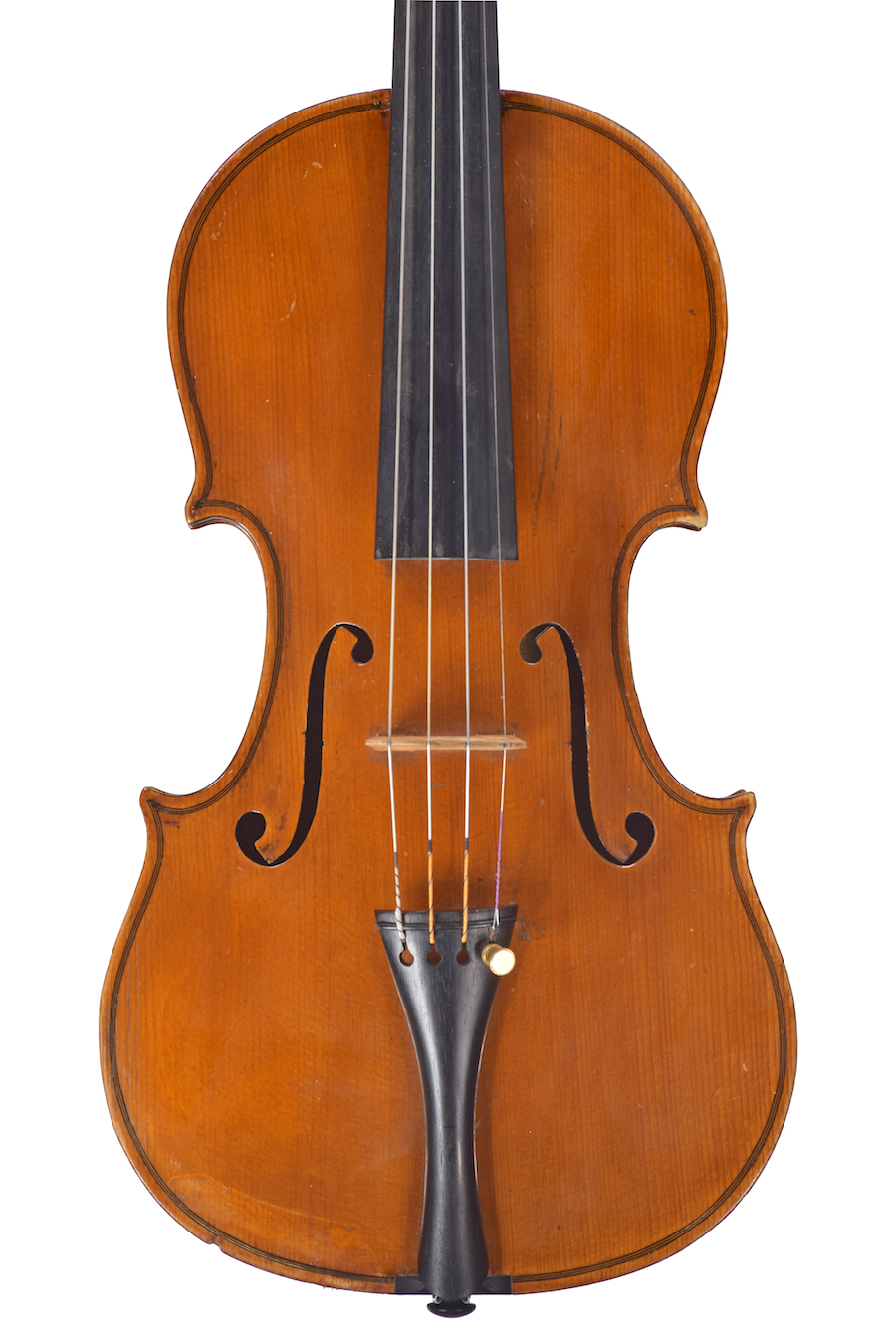
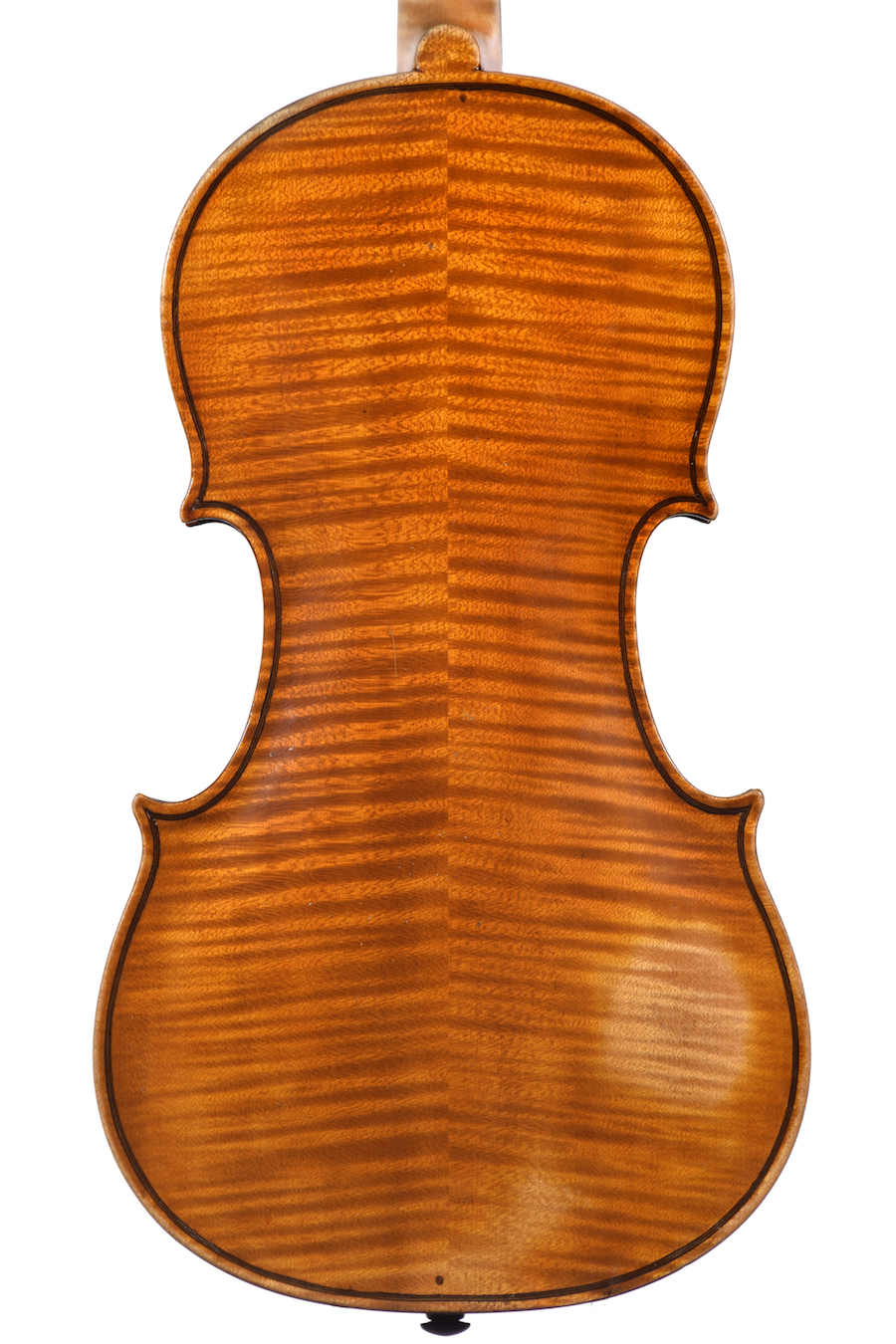
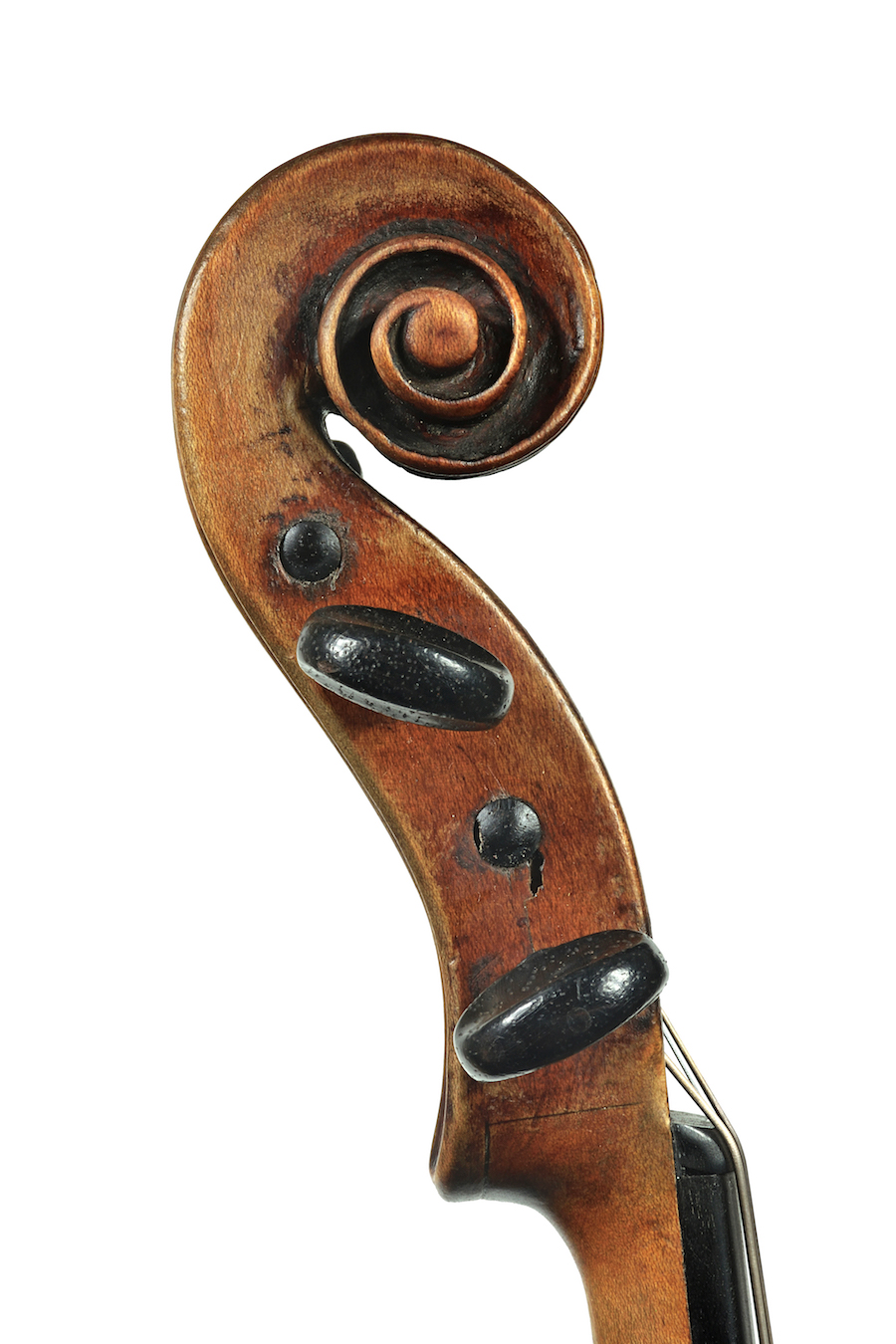
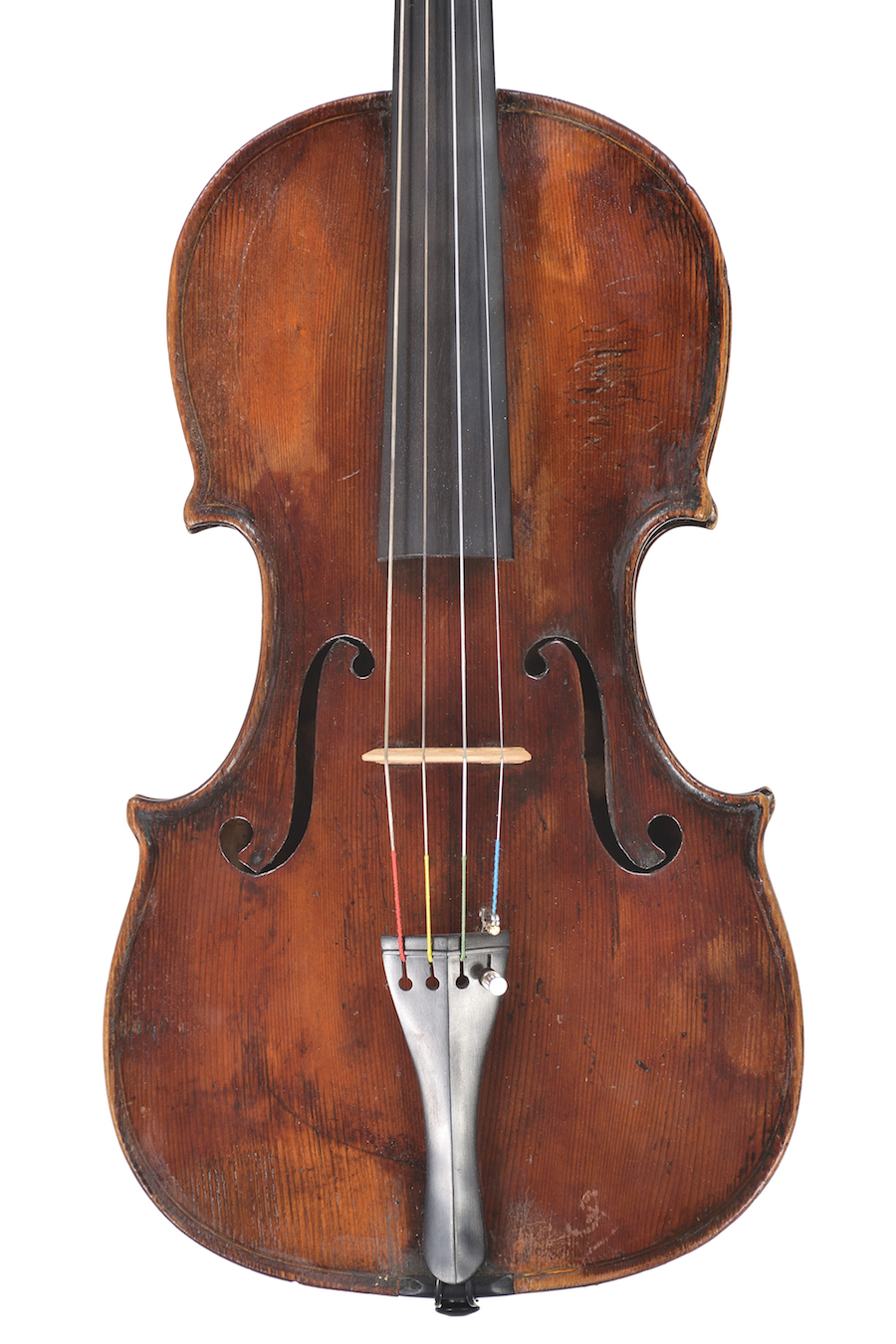
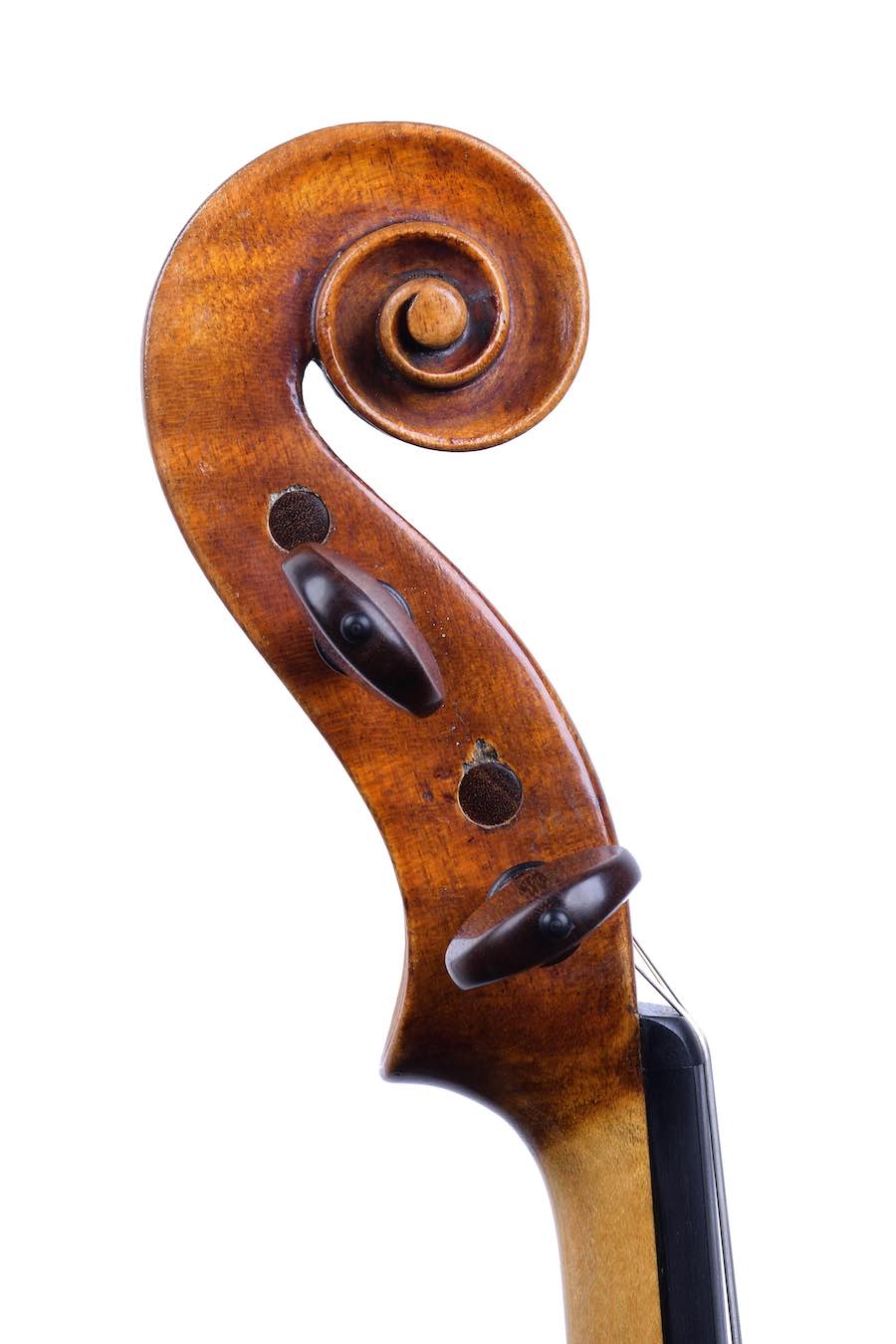
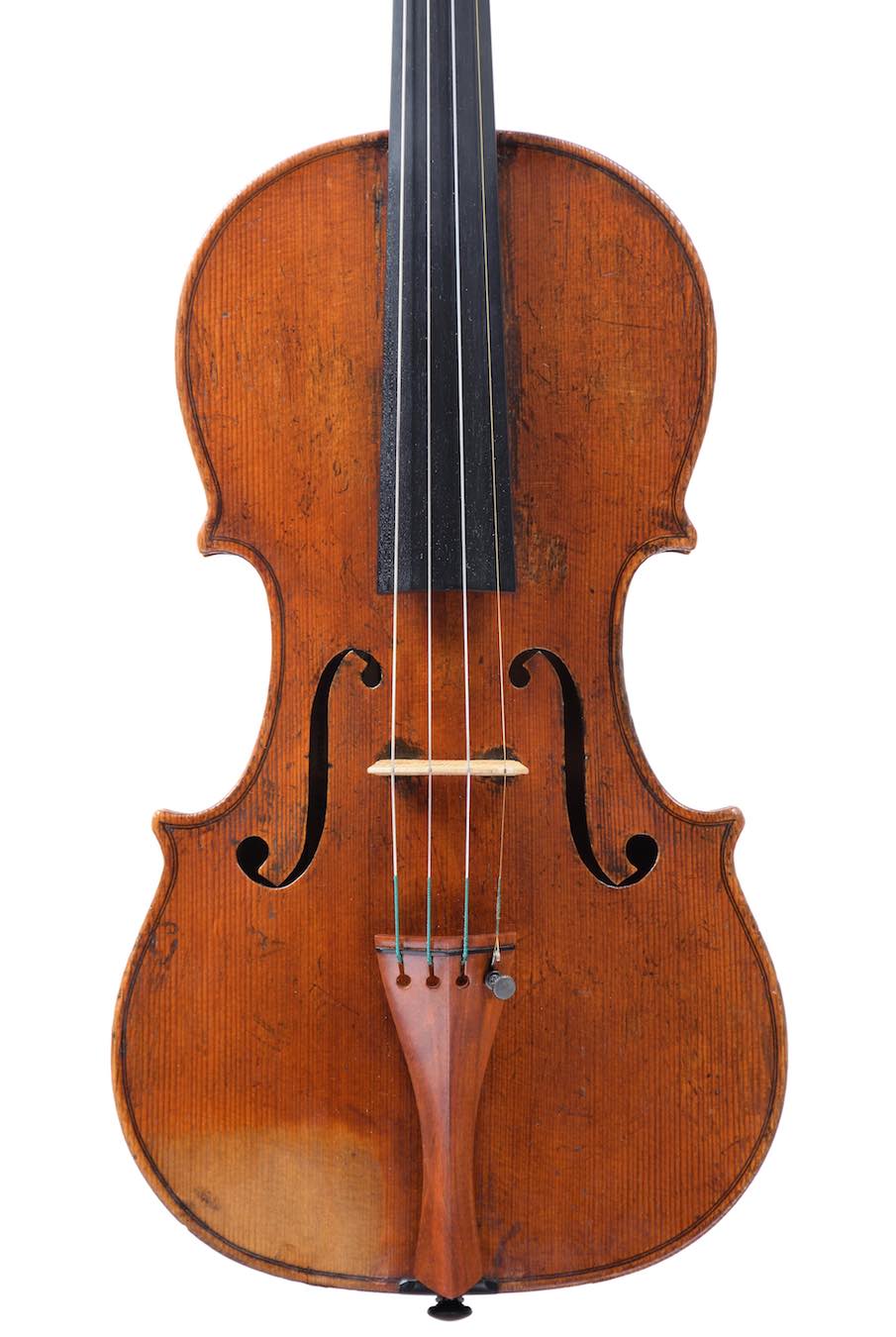
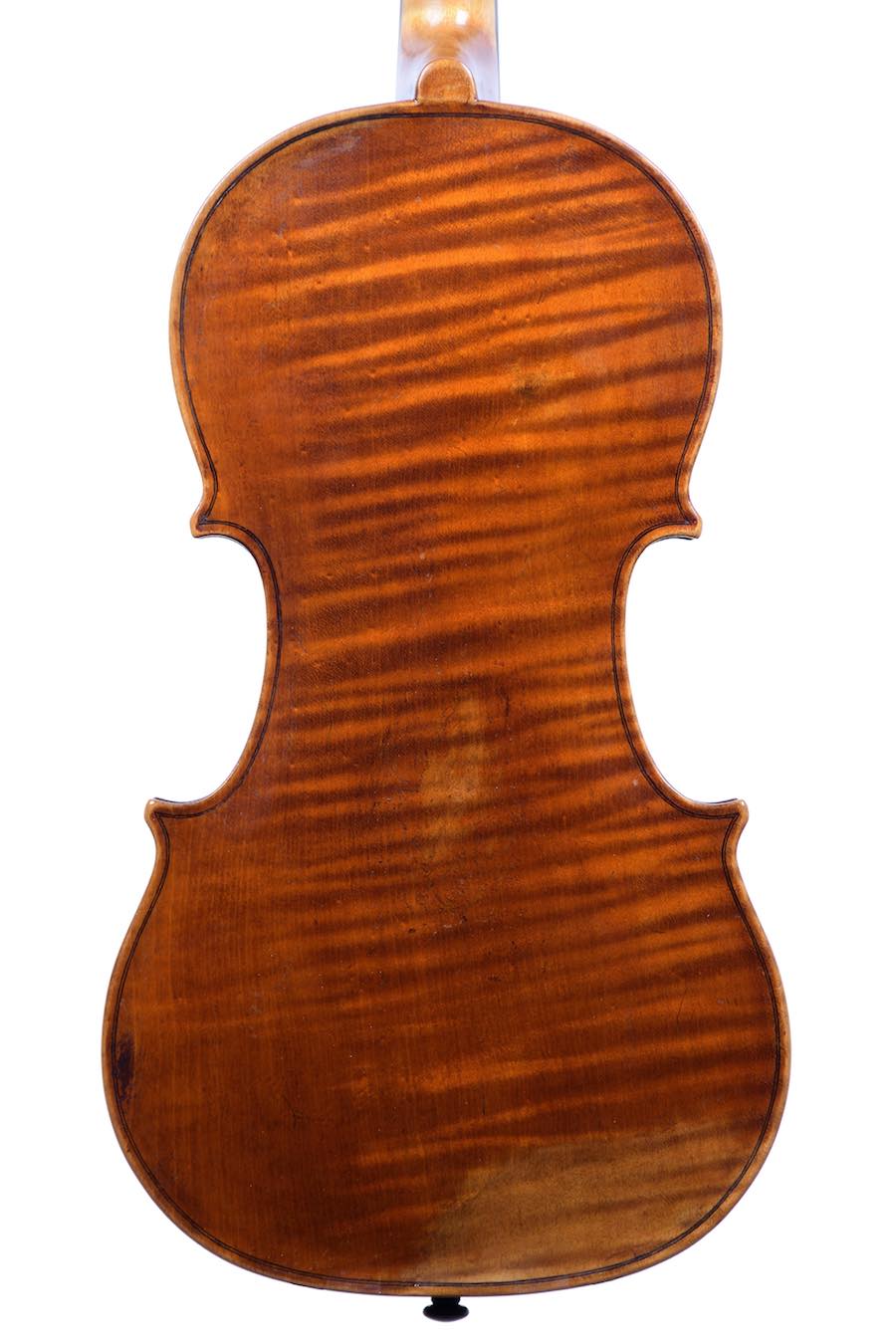
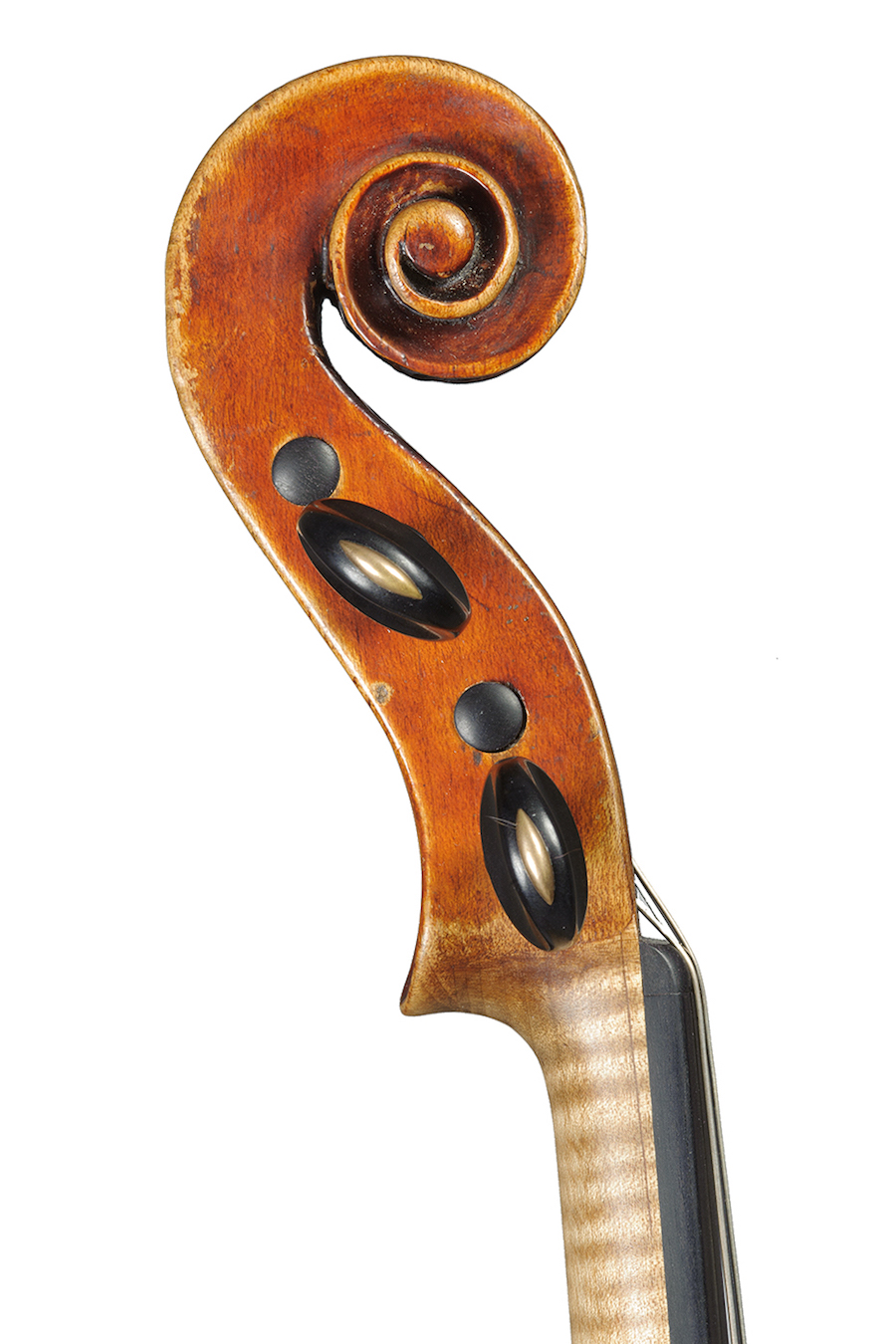
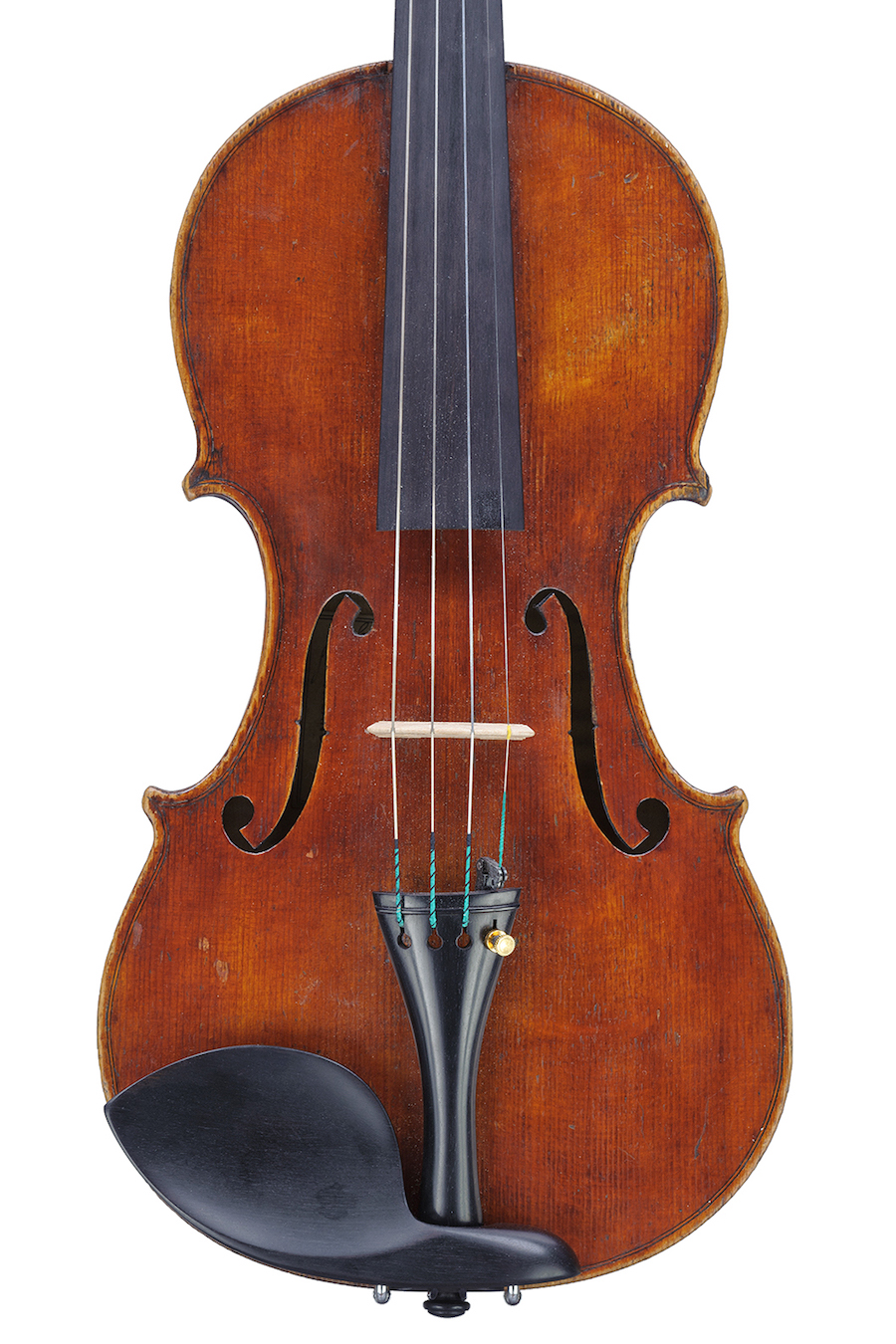
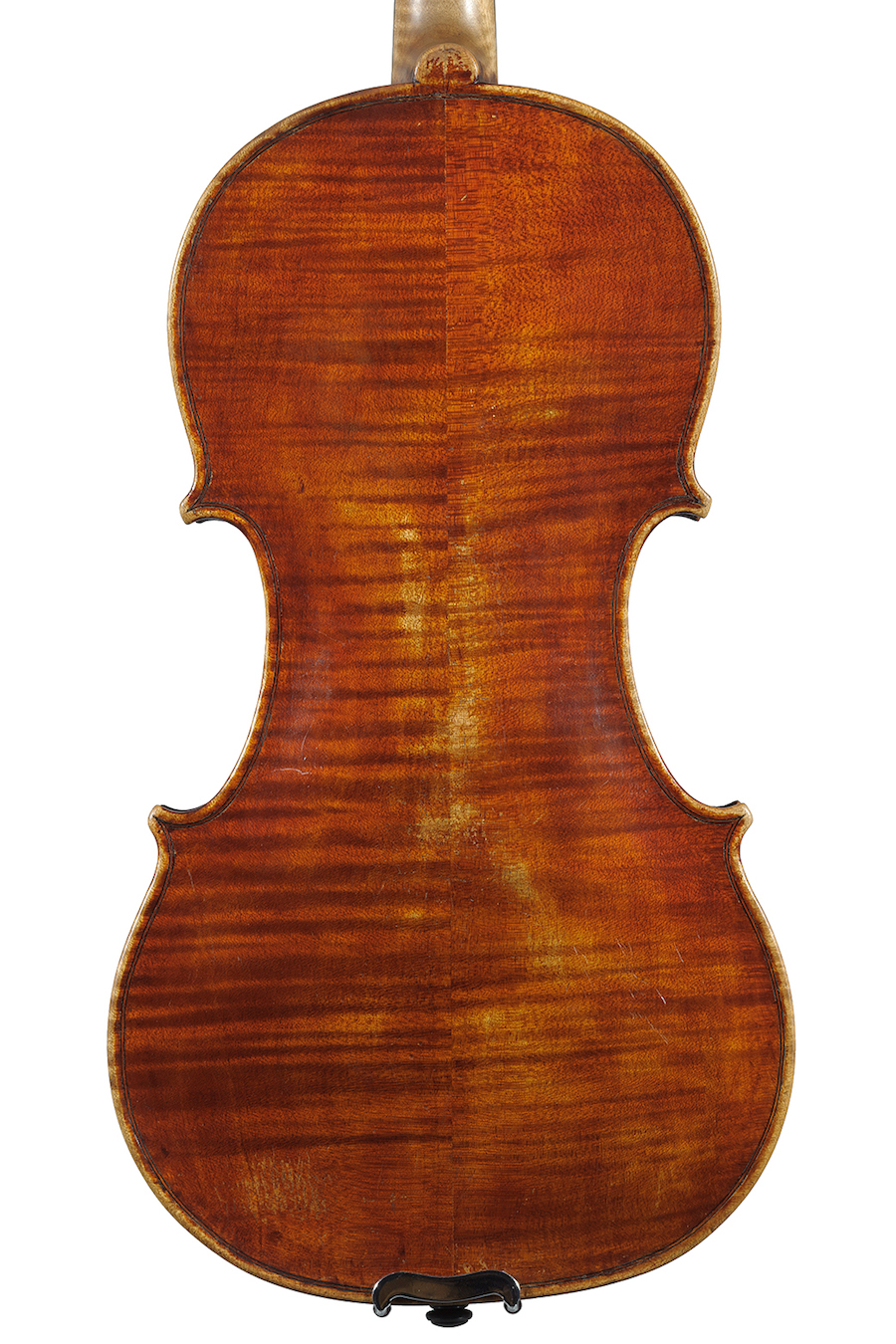
The most typical element of Sannino's work is in his heads, which have an elongated peg-box surmounted by a small and delicate volute, that ends high on the eye; only in some cases the peg-box has the strong convexity shifted upwards typical of the Neapolitan style. The soundholes are also elongated, with oval holes and fairly wide and slightly fluted wings. The purfling is often formed by a rather dark central part; the varnish has a fine consistency and is often antiqued in origin.