Born in San Polo d'Enza in 1909, Sesto Rocchi approached violin making at a young age, after having attempted to repair the violin he played for pleasure. He came into contact with Gaetano Sgarabotto around 1927, shortly after the latter had moved from Vicenza to Parma; it was in his workshop that the young man learned the first rudiments of the craft. In 1929, after the opening of the violin making school within the local Conservatory of music, Rocchi was included, together with Raffaele Vaccari, among the adult students of the course who were admitted from outside the province; unlike his fellow student, however, Rocchi did not finish the course, which he attended for only about a year and a half. During the following period the young luthier began to visit the Bisiach country workshop in Venegono Superiore, and later he moved to live there. Before the war Rocchi spent a period working in Germany, but was then drafted into military service and was forced to interrupt his making activity for many years. Starting from the end of the 1940s he resumed making instruments, and in the following period this earned him a very good success, making him one of the best-known luthiers of the post-war period.
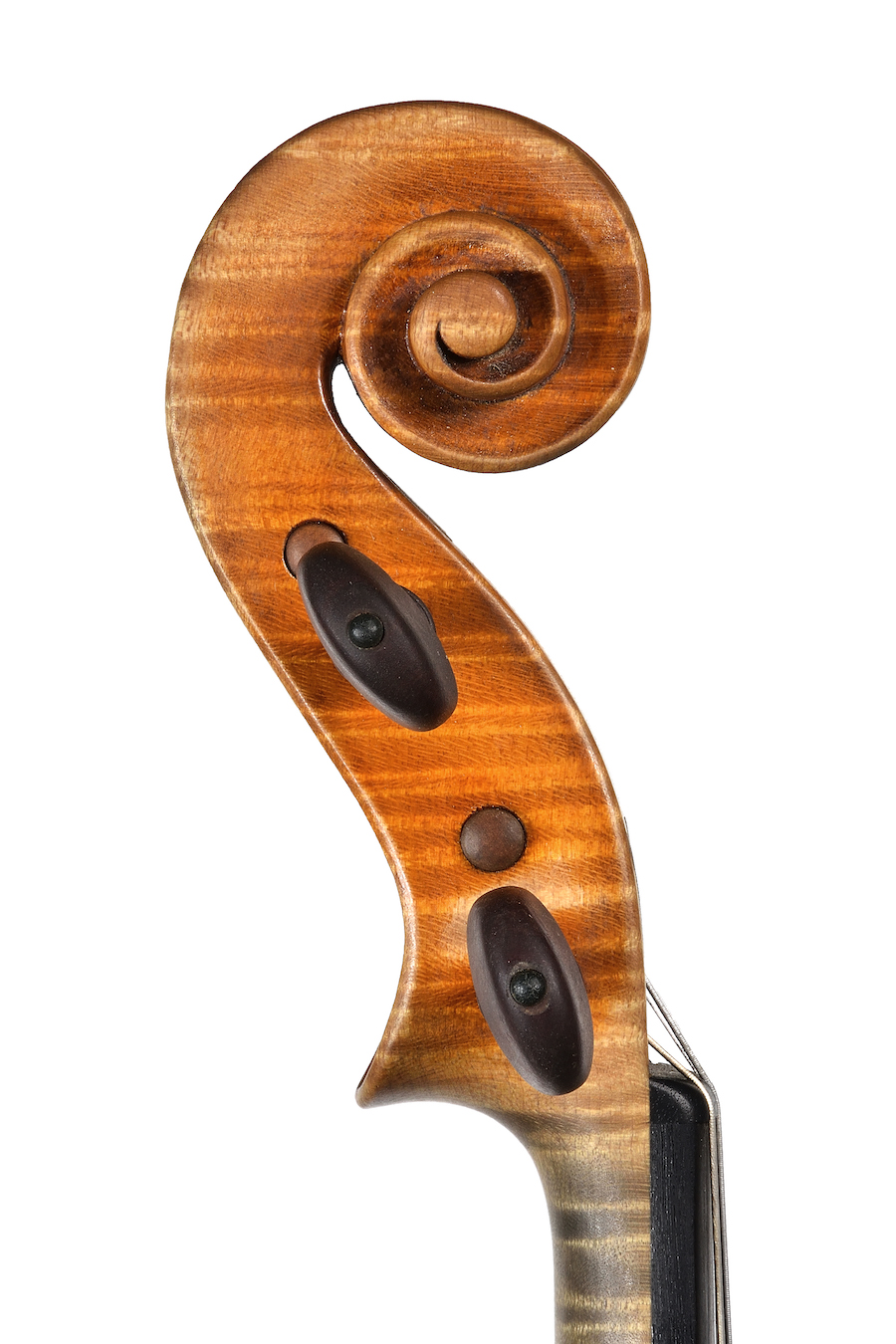
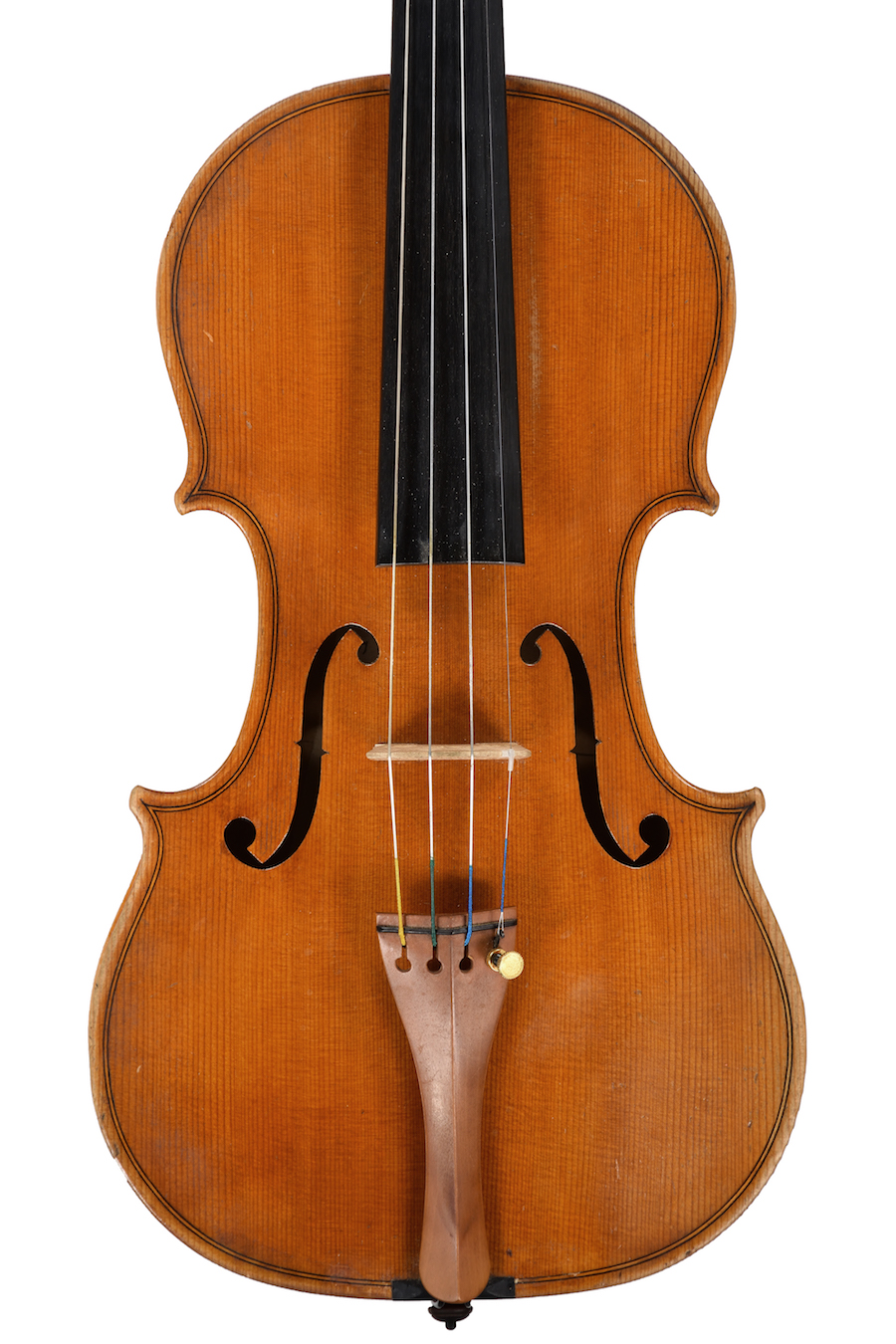
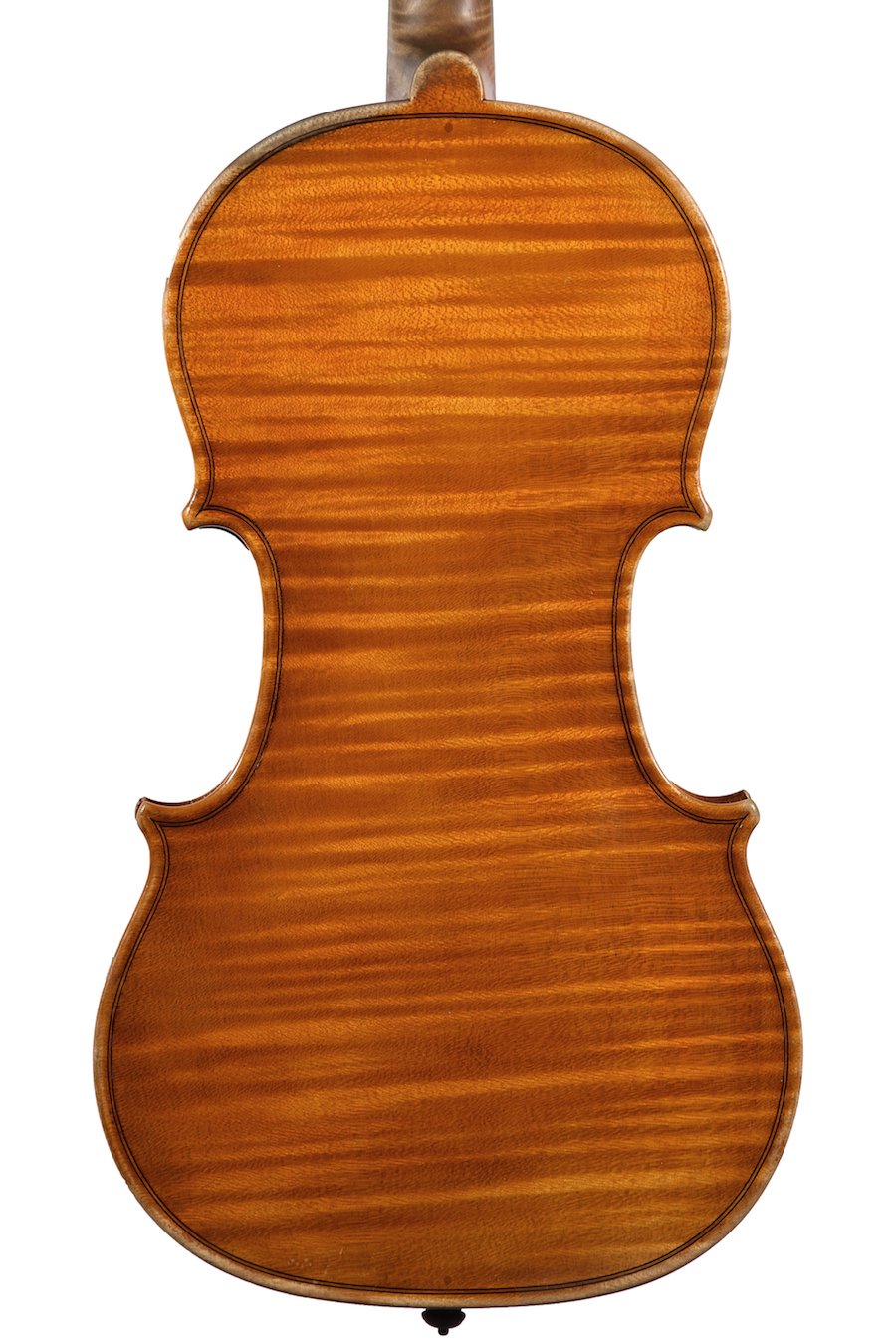
His mature style is less influenced by the Sgarabottos than it is by the tradition of Milanese lutherie. His models are derived in particular from the Amatis and tend to be wide and round, with soft and rounded edges; the volutes are also large, with a large central eye. The sound holes have a rather close and tilted positioning; their eyes are rounded and the notches well-sized. The varnish is of good quality and the materials carefully chosen. Similarly to the Sgarabottos, Sesto Rocchi also used to give a name to most of his instruments.