Born in Villafontana di Medicina, near Bologna, in 1893, Ansaldo Poggi was first trained under the guidance of his father, an amateur luthier, while studying violin at the Accademia Filarmonica in Bologna. After the First World War, he made the acquaintance of the great violin maker Giuseppe Fiorini, whom he followed to Zurich to continue his training with him. The two then returned to Italy in 1923, continuing their collaboration during the following years.
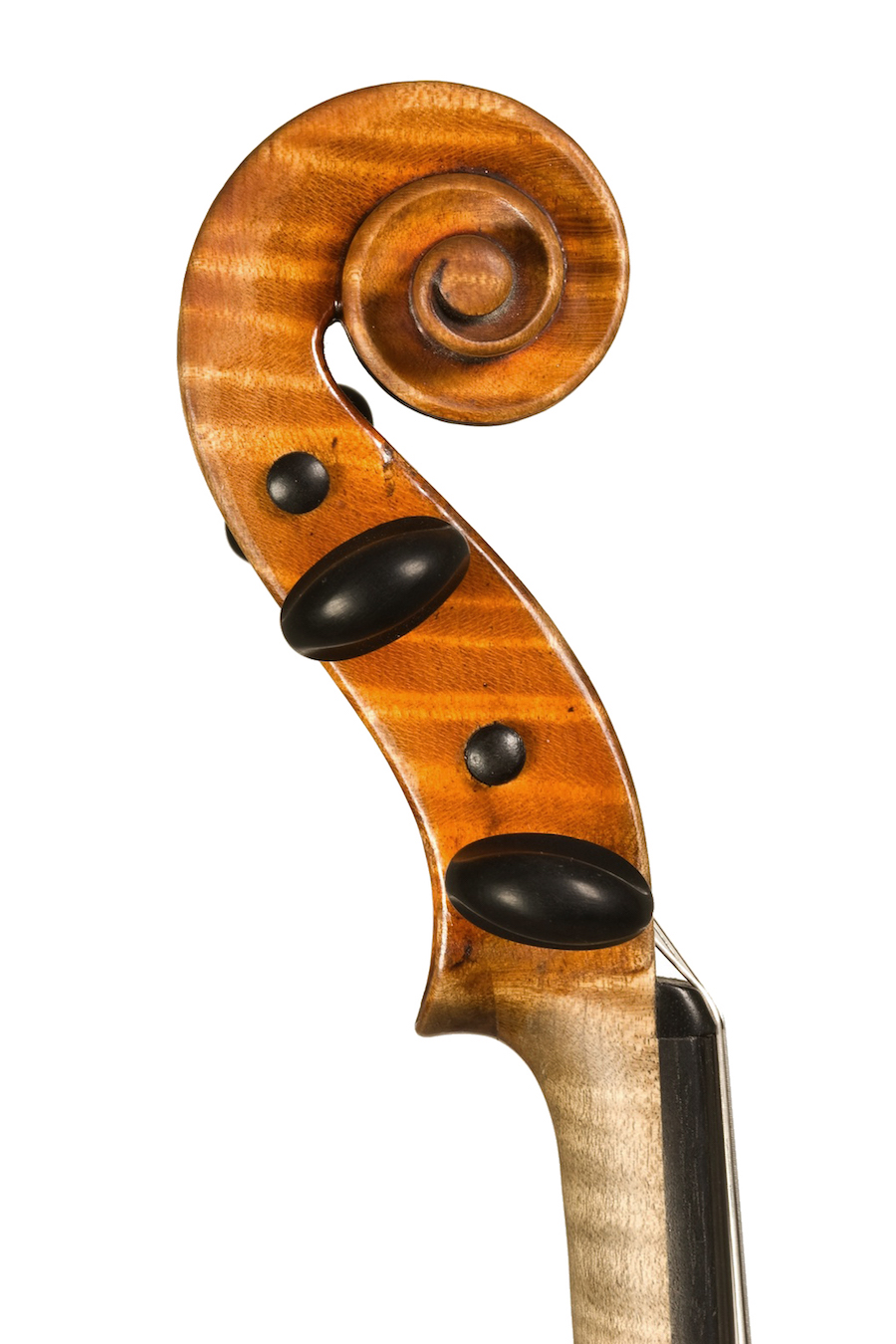
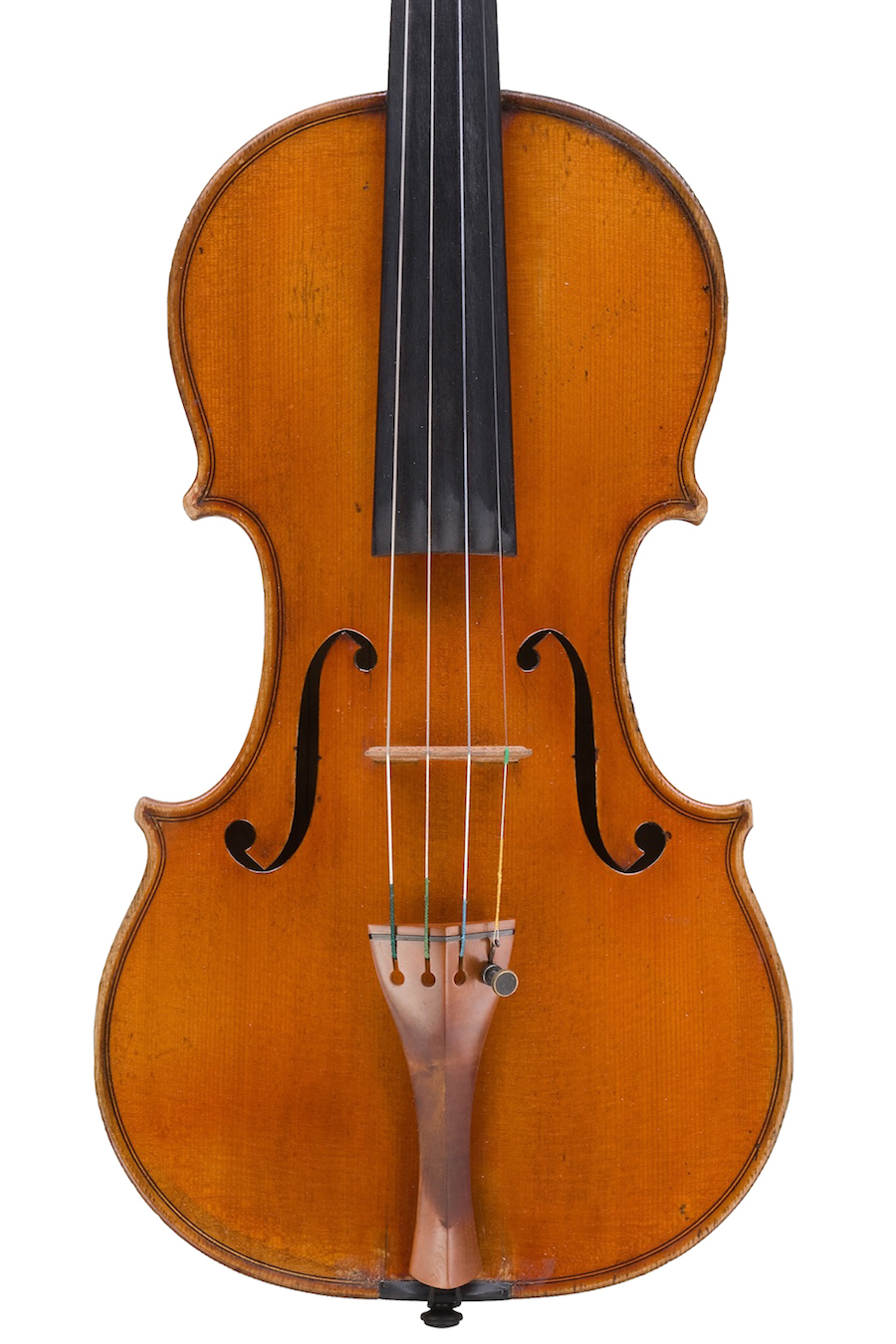
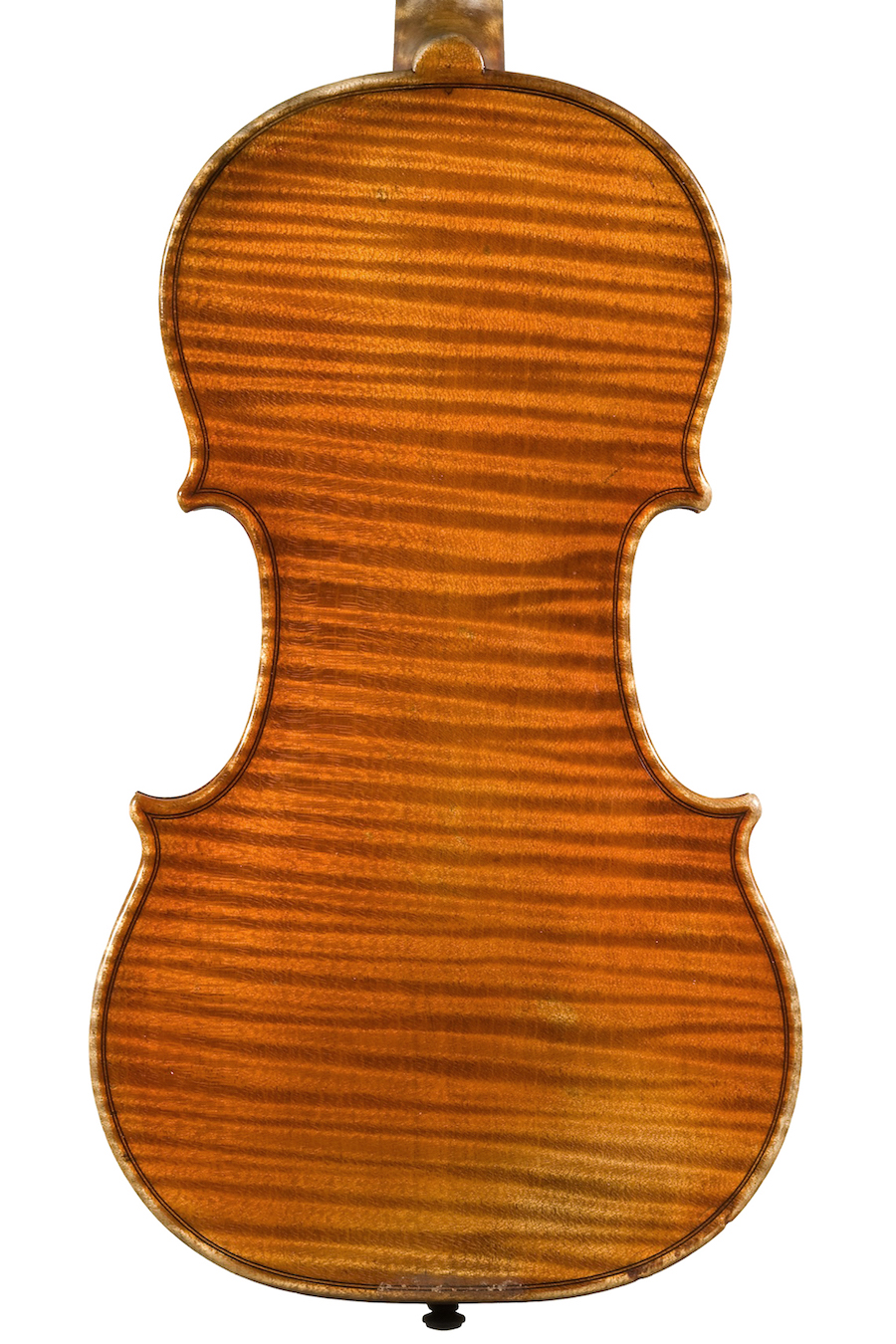
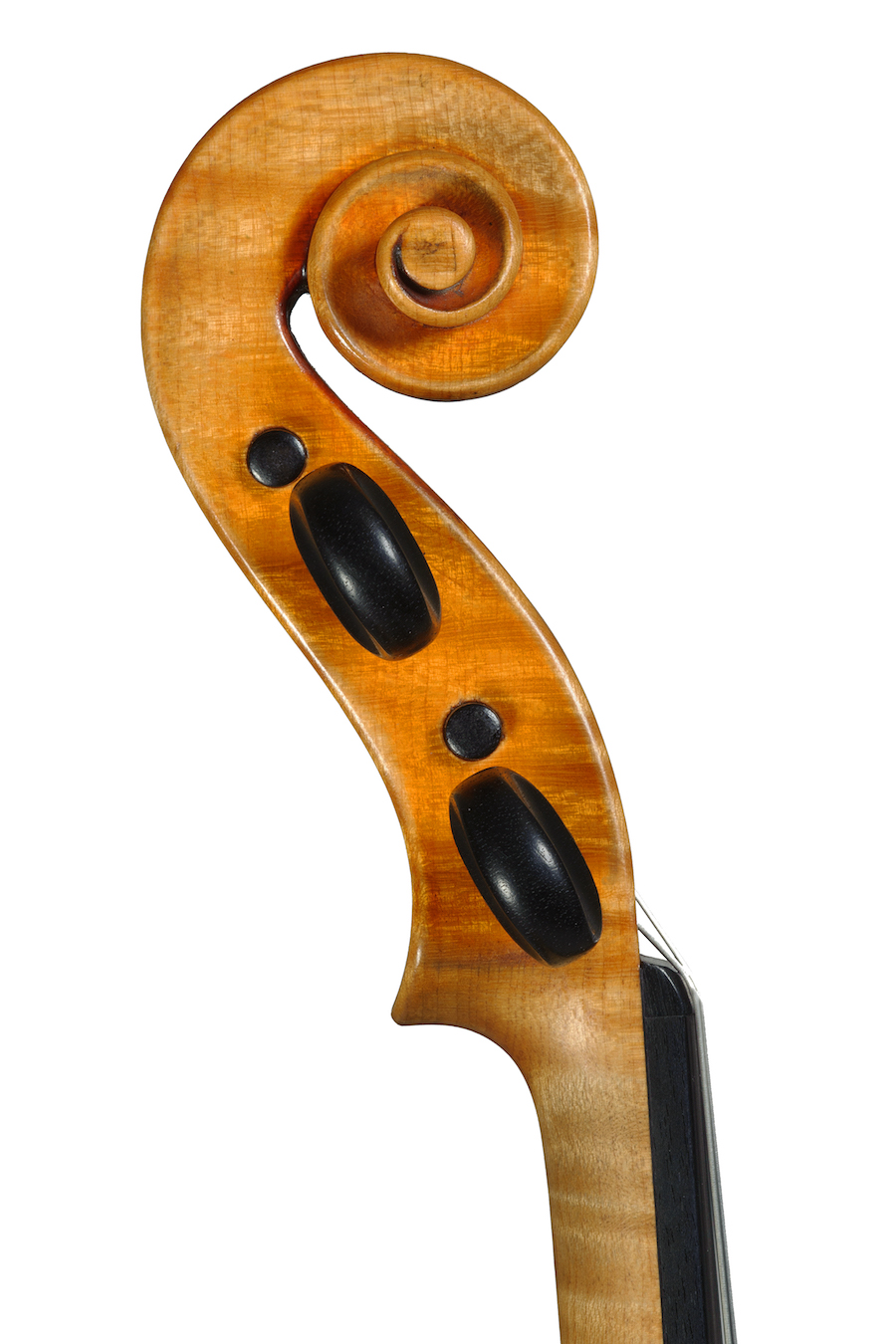
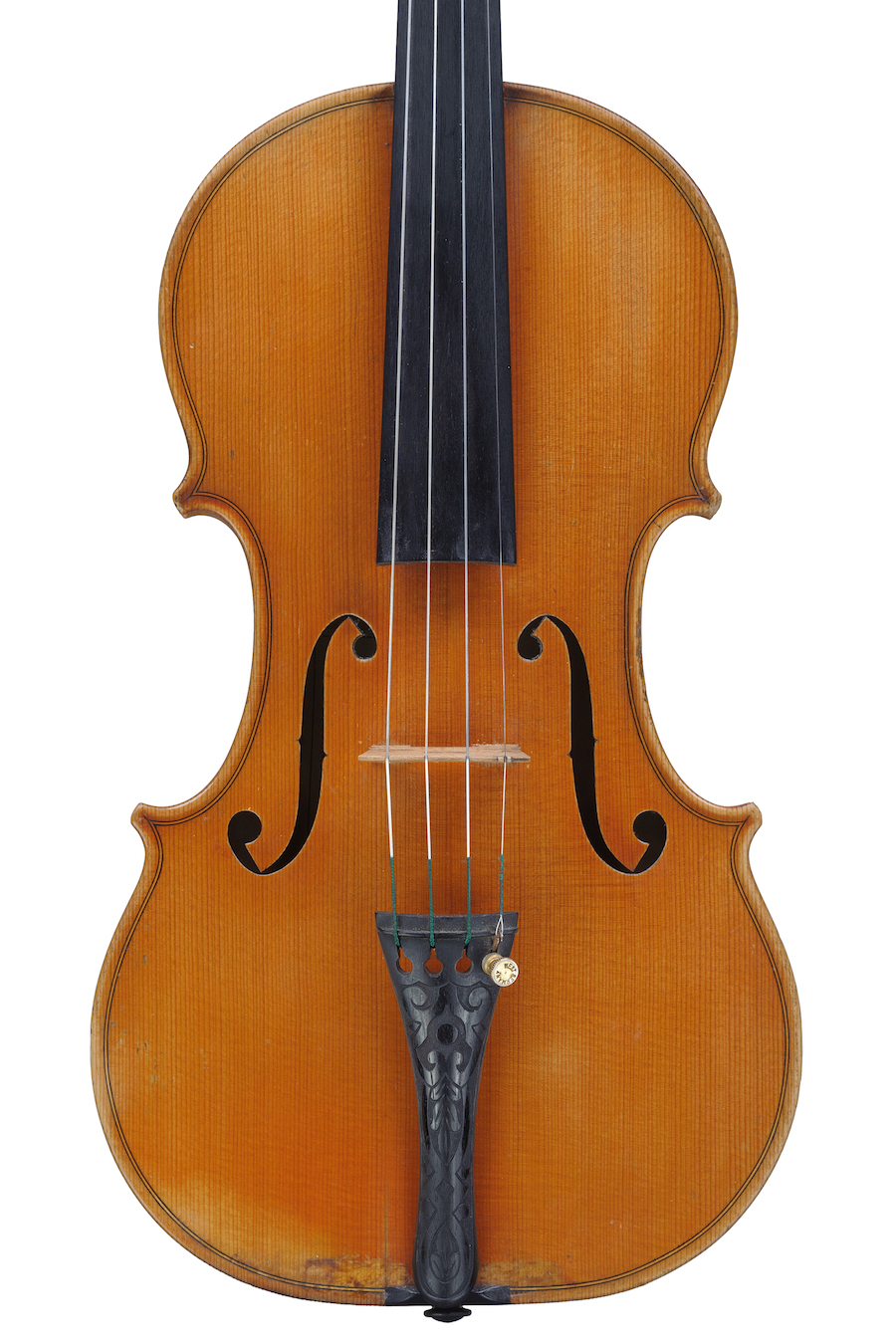
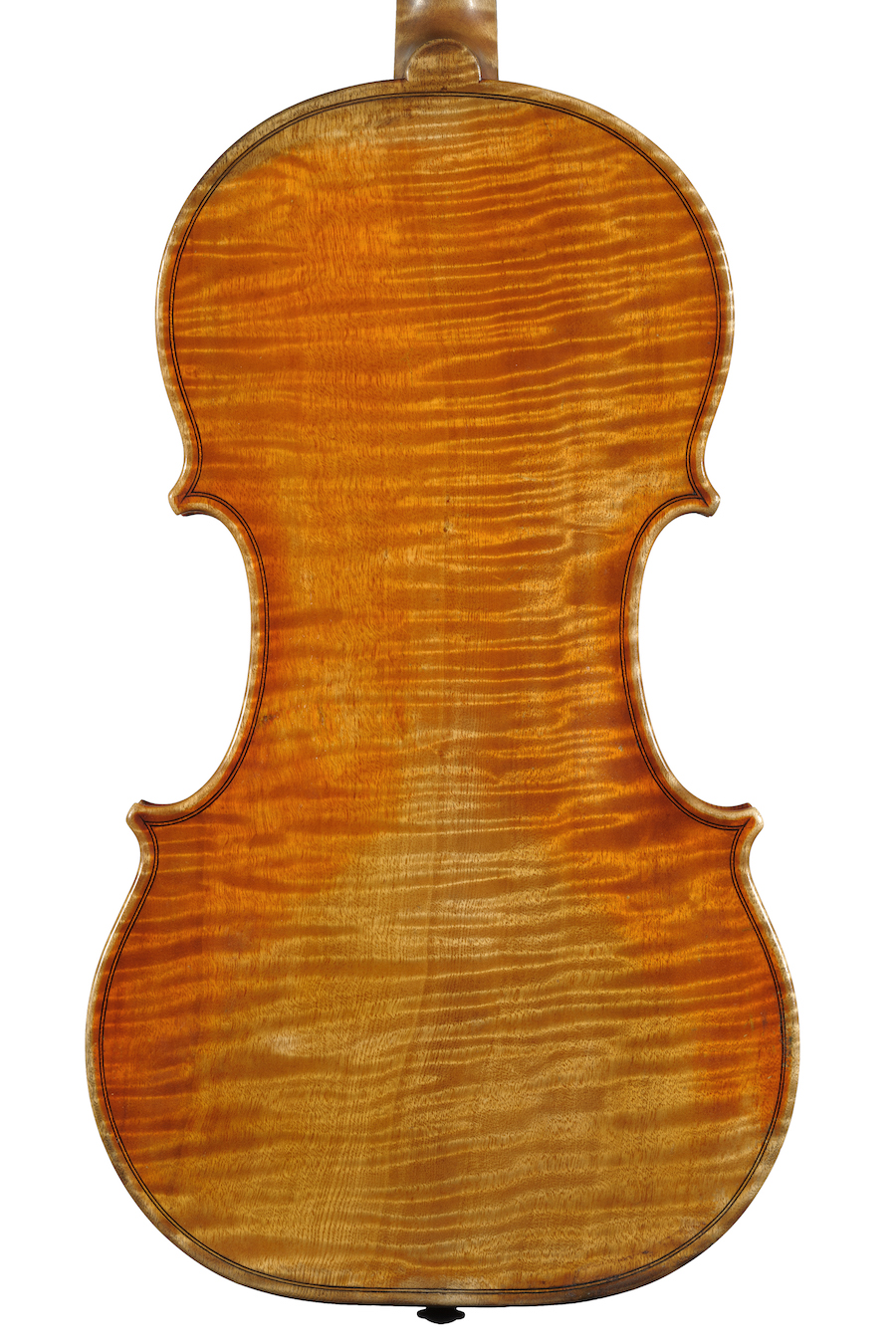
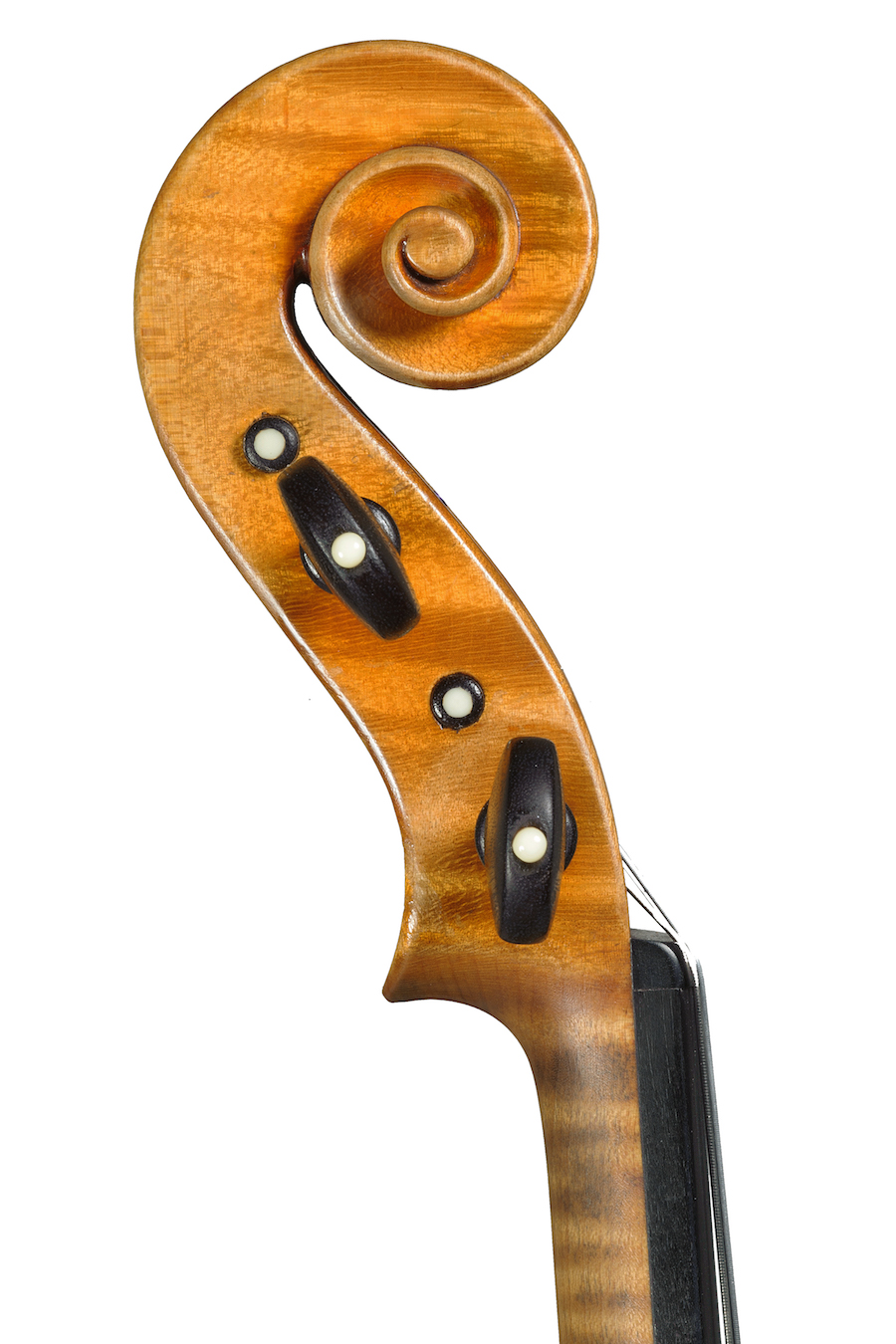
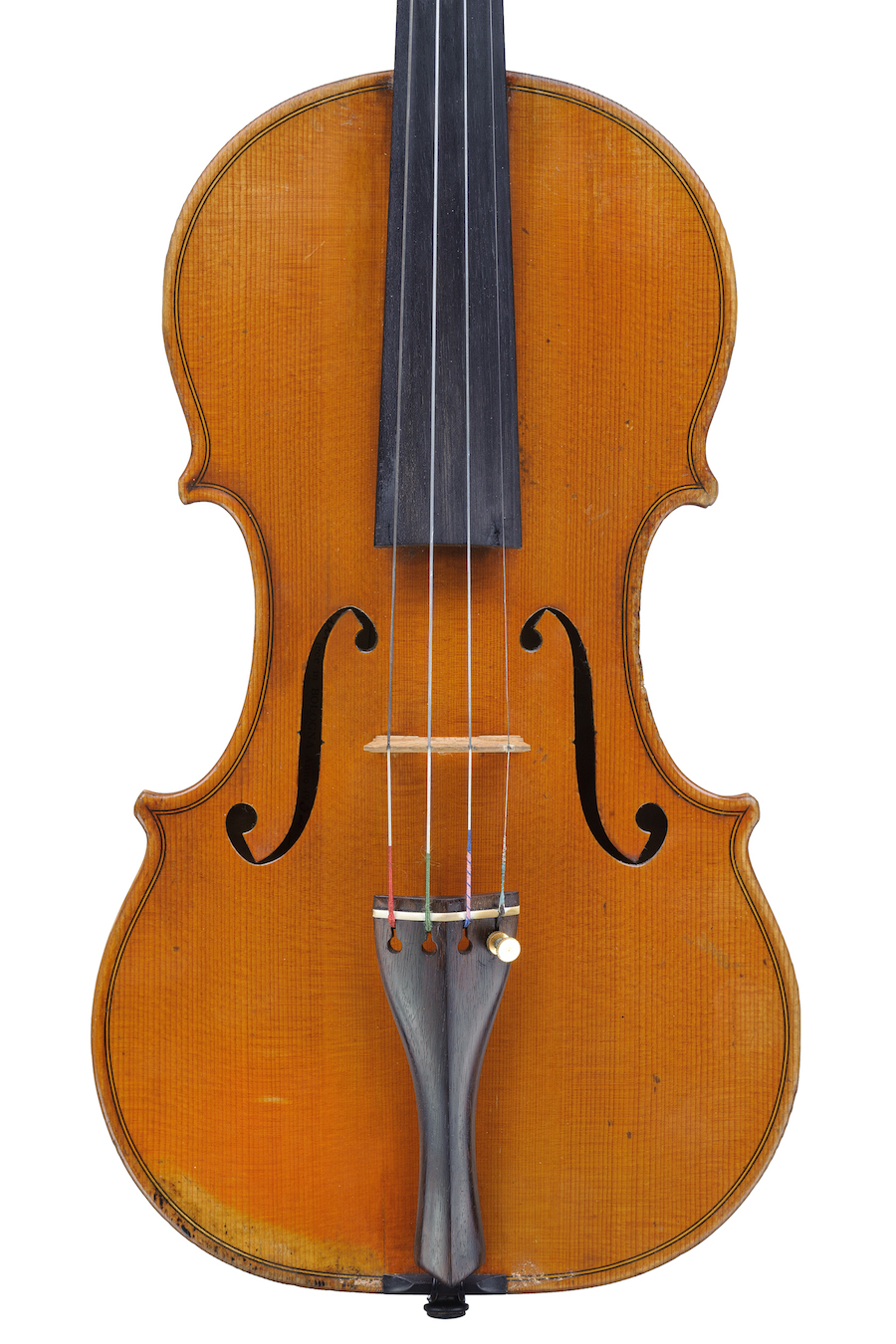
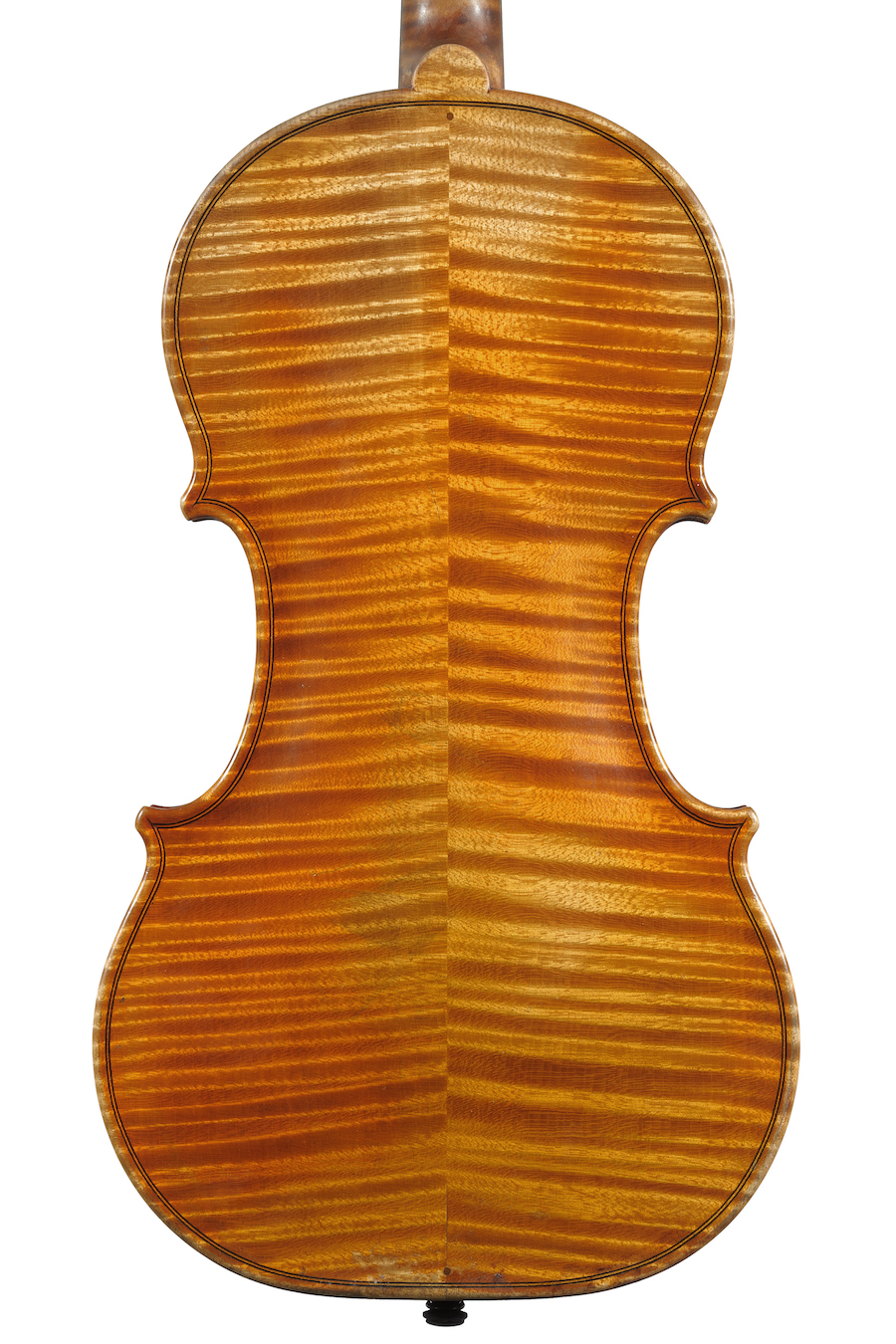
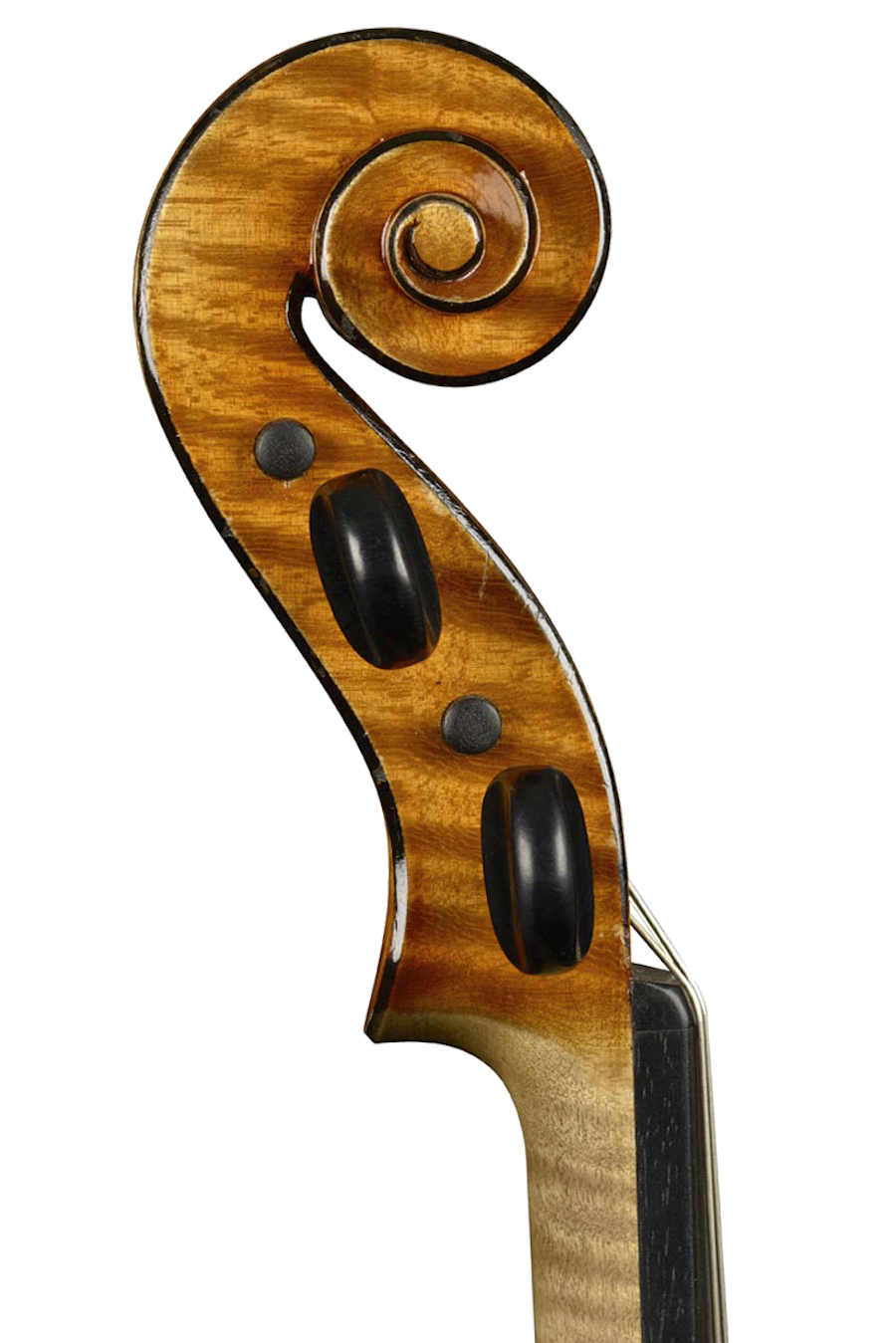
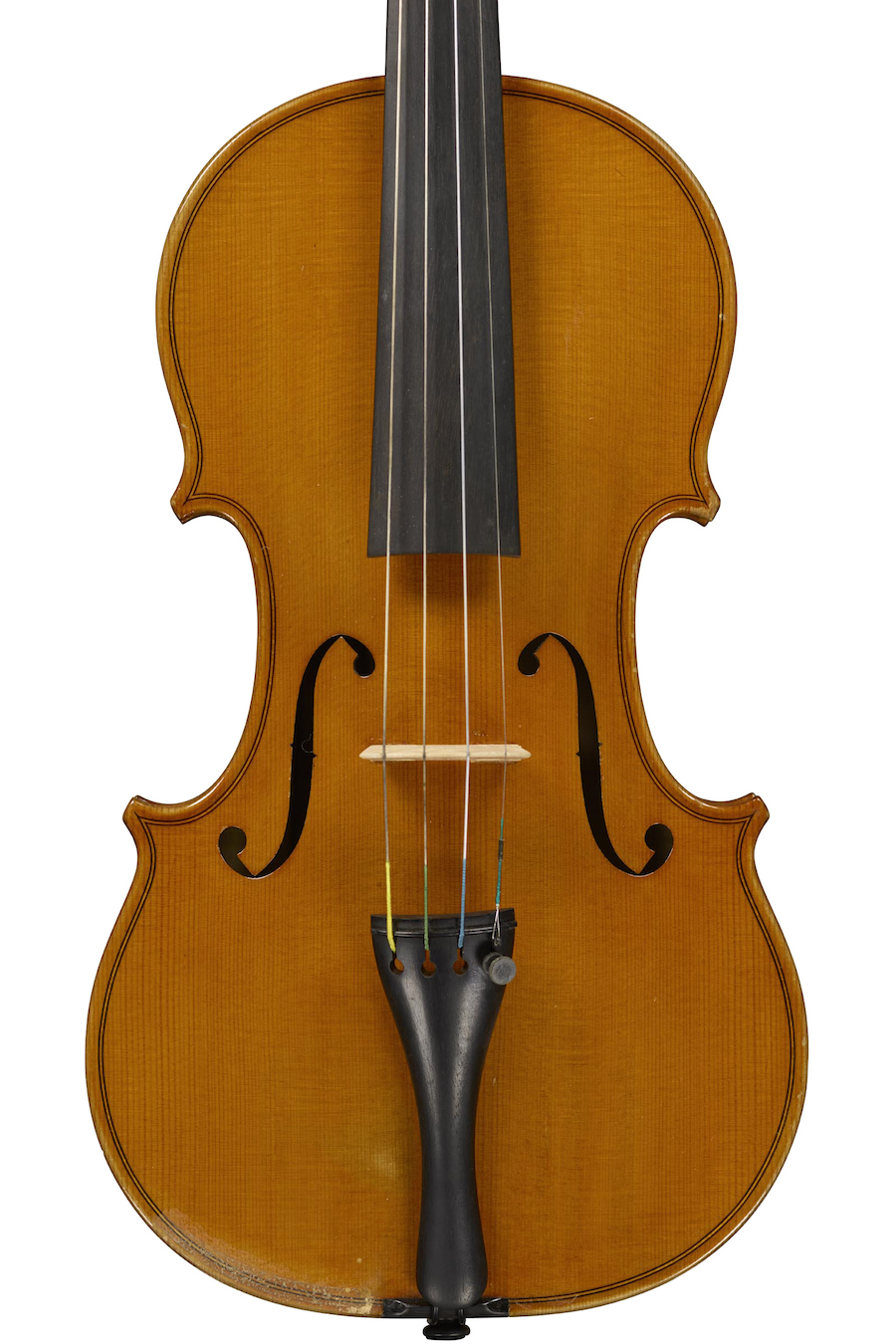
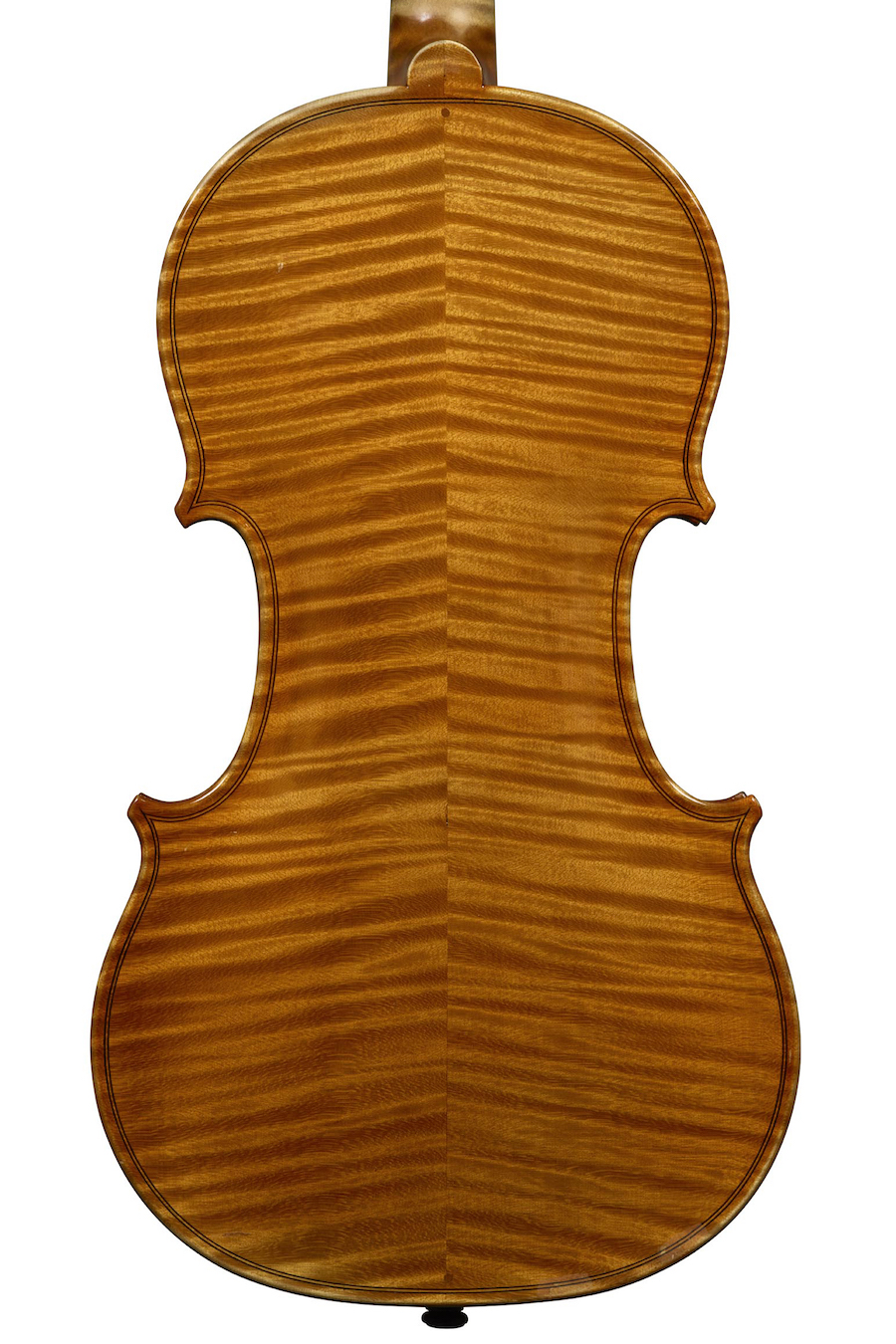
The first instruments individually signed by Ansaldo Poggi date back to the late 1920s and initially faithfully follow the taste of his master. Starting in the 1930s, he developed a more recognizable style. Designed on a classical architecture based on the models of Antonio Stradivari and, more rarely, of Guarneri del Gesù, Ansaldo Poggi's instruments are characterized by an impeccable workmanship in every detail. The corners are wide and the positioning of the purfling leads to the formation of a characteristic angle in correspondence with the small ornamental bee-sting formed by its ebony part. The sound holes have very tapered stems and wide wings. The scrolls show a rather straight peg-box surmounted by a well-balanced volute, often having the chamfers highlighted with black ink; the back of the peg-box is slender, linear and ends at the chin in a slightly cusp shape.
The combination of a superlative choice of materials, carefully studied arching and thicknesses, together with absolute precision, make Ansaldo Poggi's instruments highly sought after on the collecting market and by musicians.