The Mariani family, active in Pesaro in the seventeenth and the early eighteenth century, began to devote themselves to the construction of instruments with Fabio, defined by profession as a "guitar maker", an activity that was continued by his two sons: Ludovico and Antonio, to whom most of the still existing bowed instruments are traditionally attributed.
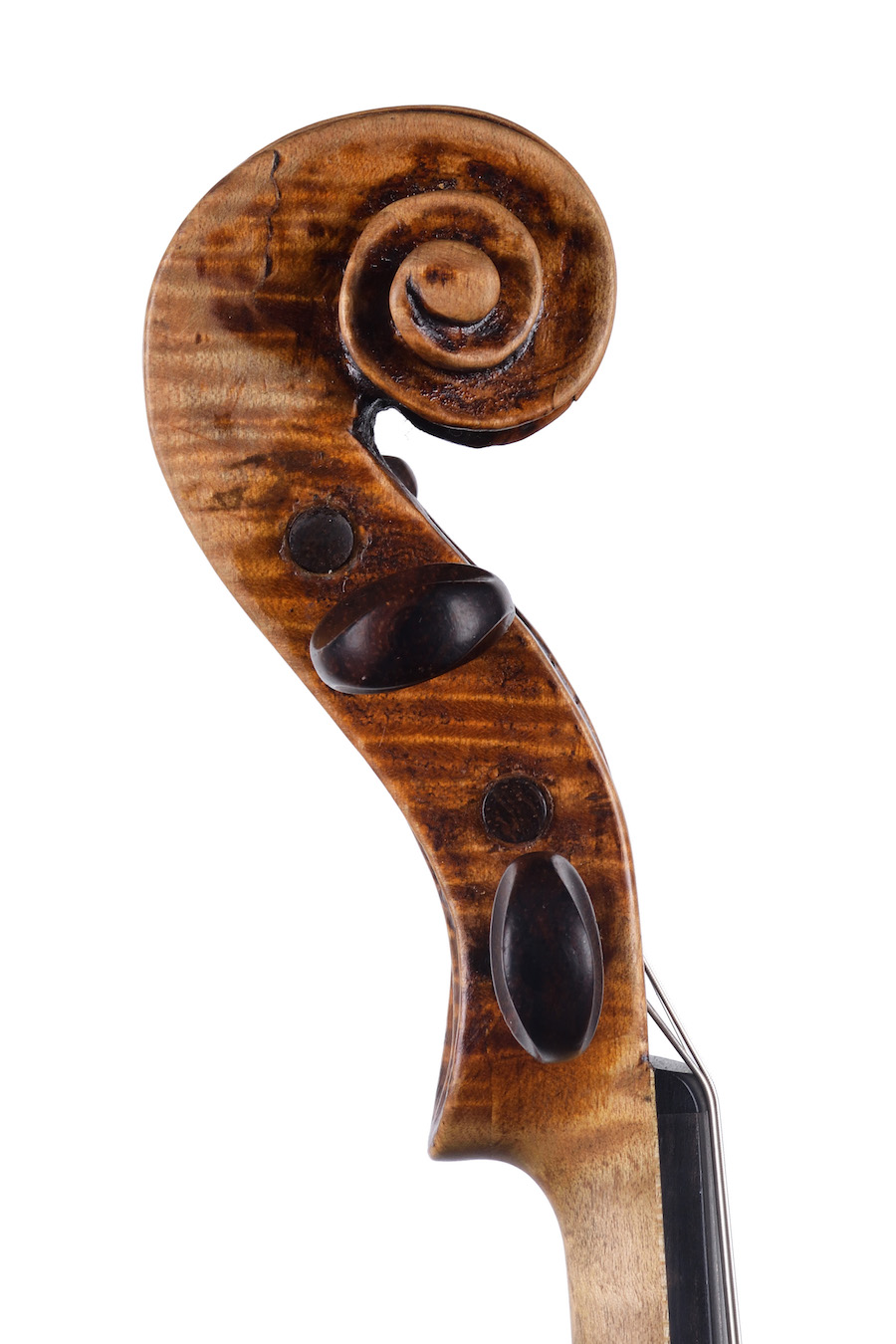
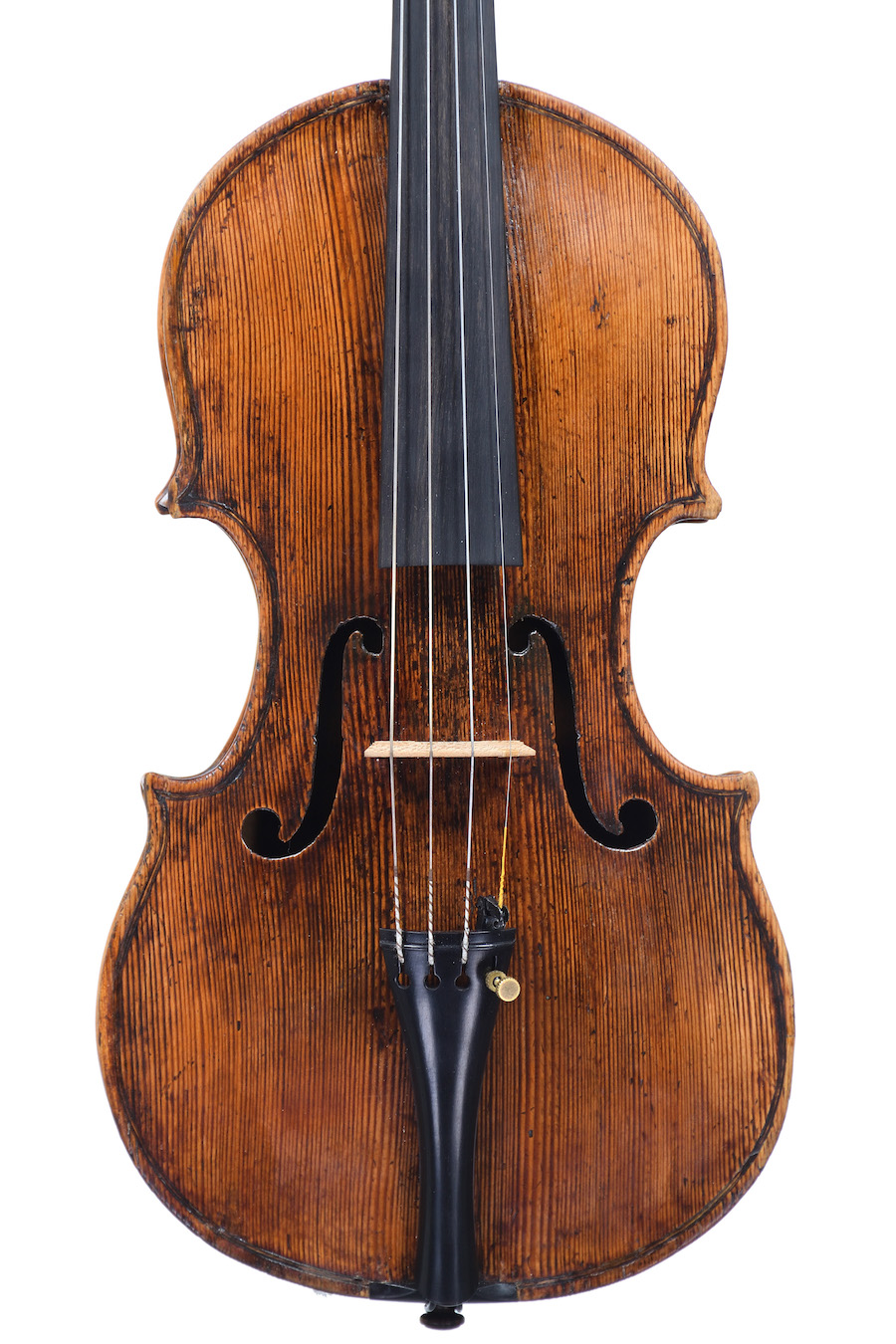
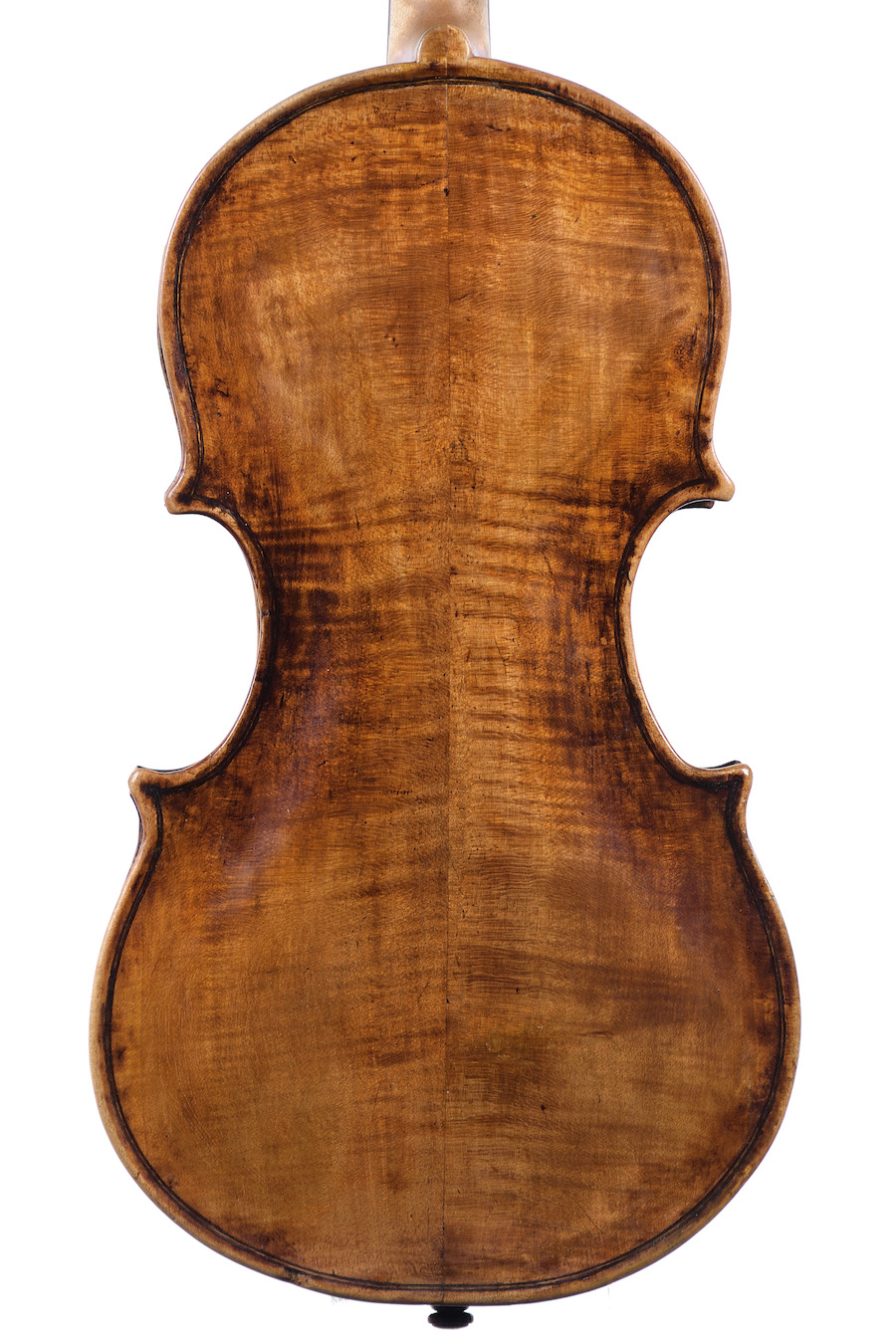
Despite a vague resemblance with the Brescian school, it is highly unlikely that the Mariani had direct contact with any of these makers. Their model is small and rounded, with very open C-bouts; the corners are long, tapered and point outwards. The sound holes have minute wings that contrast with the very large stems and round eyes. The head follows a massive model, with a throat truncated soon in the lower section of the peg box, which has a pear-shape look when seen from the rear.