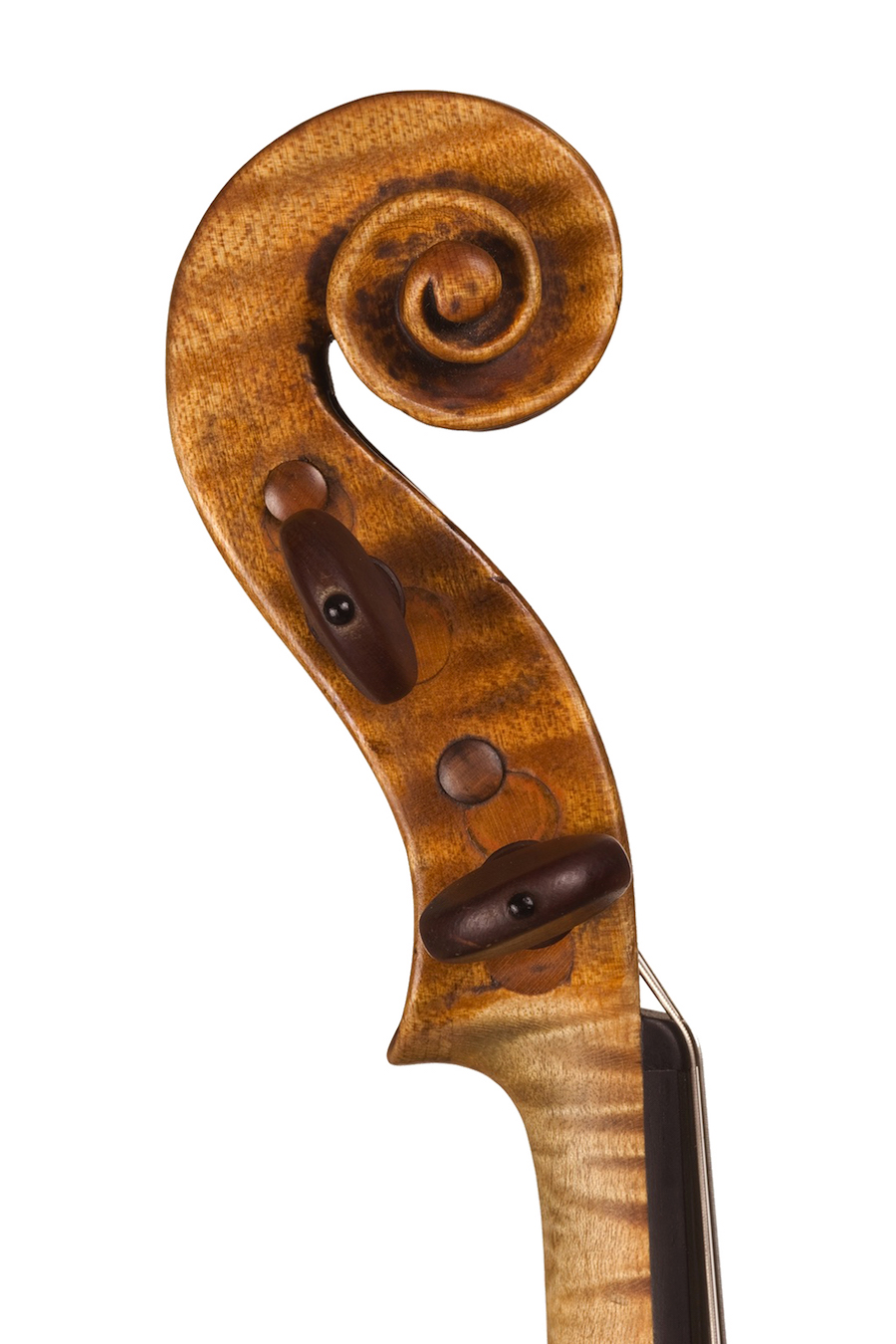
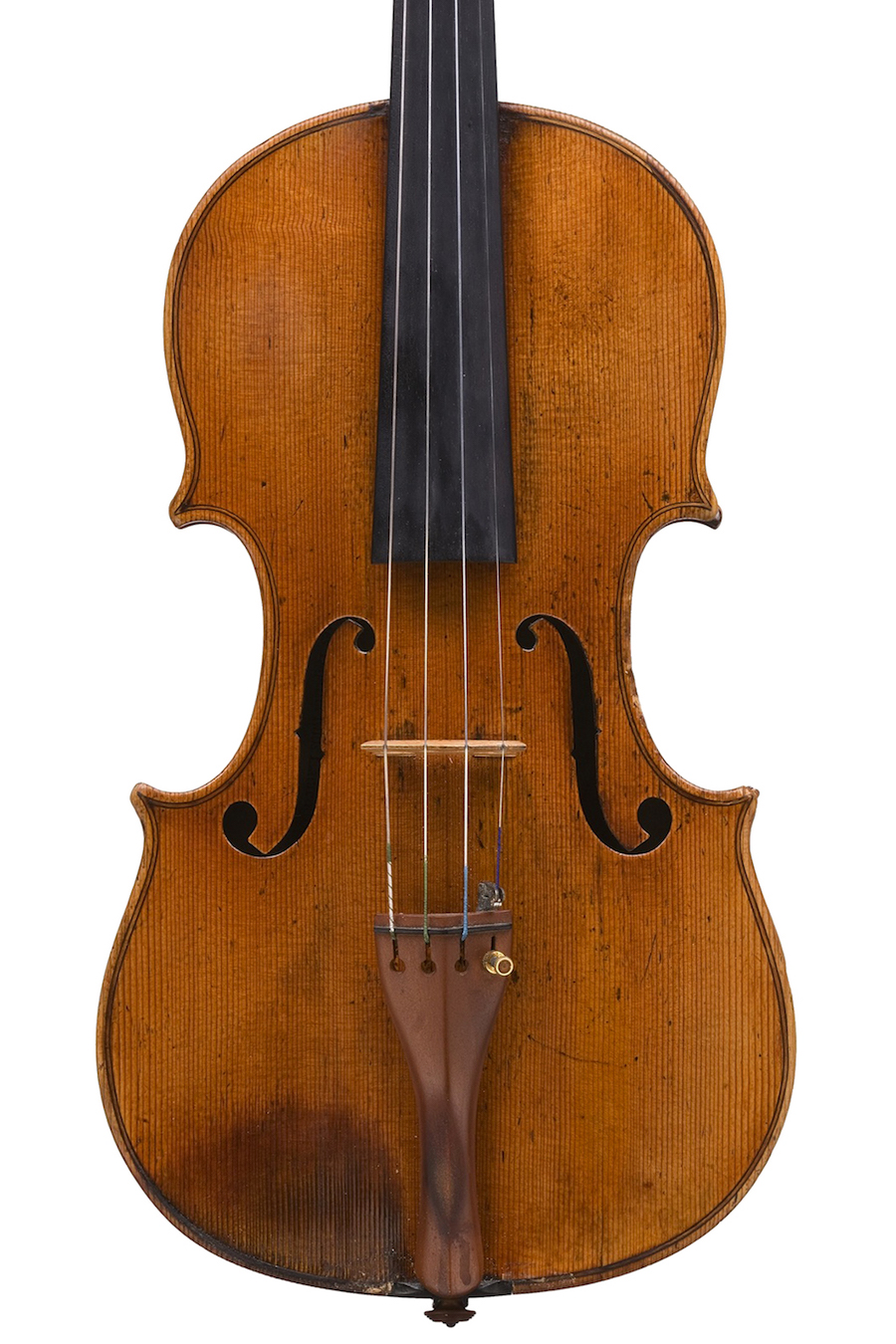
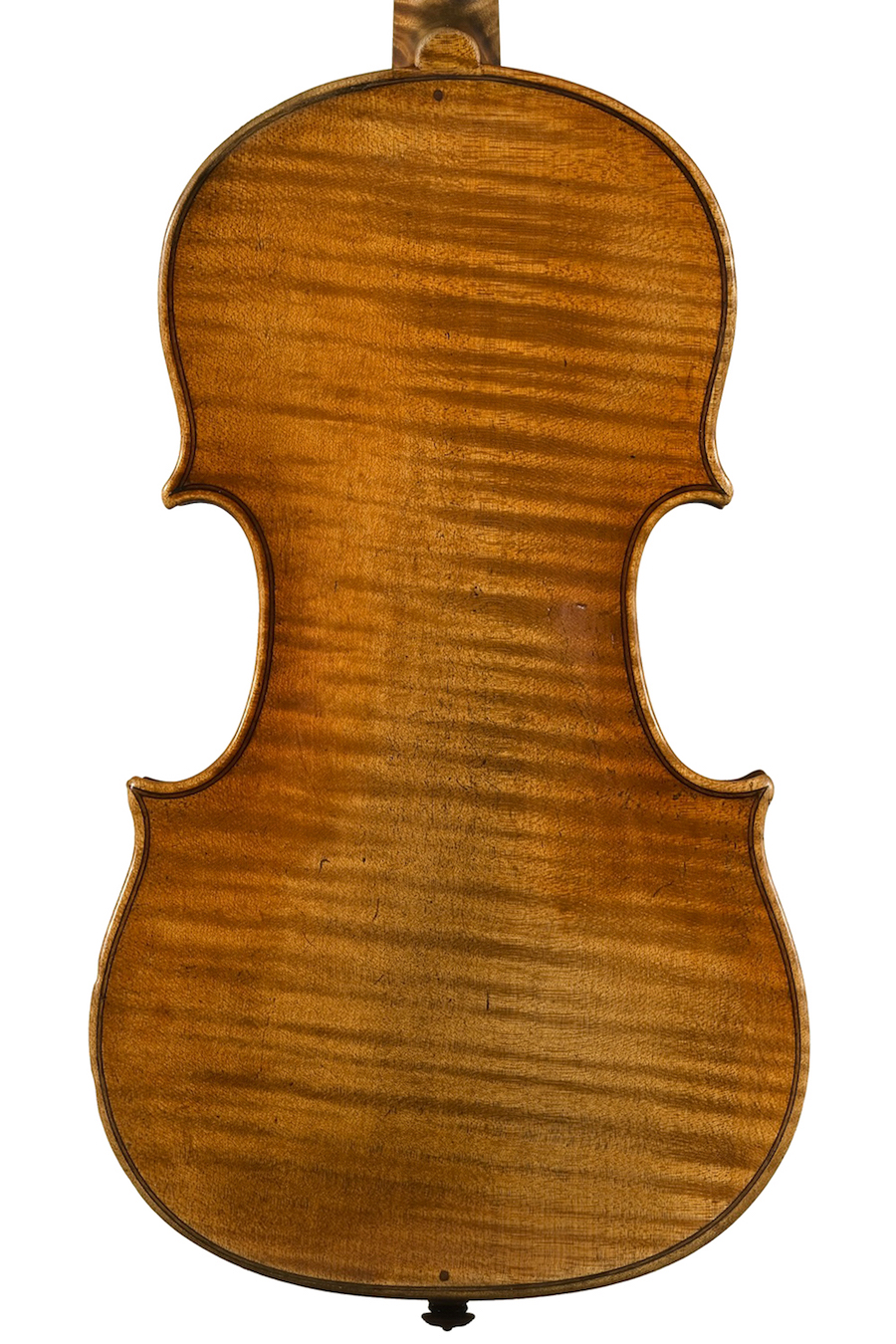
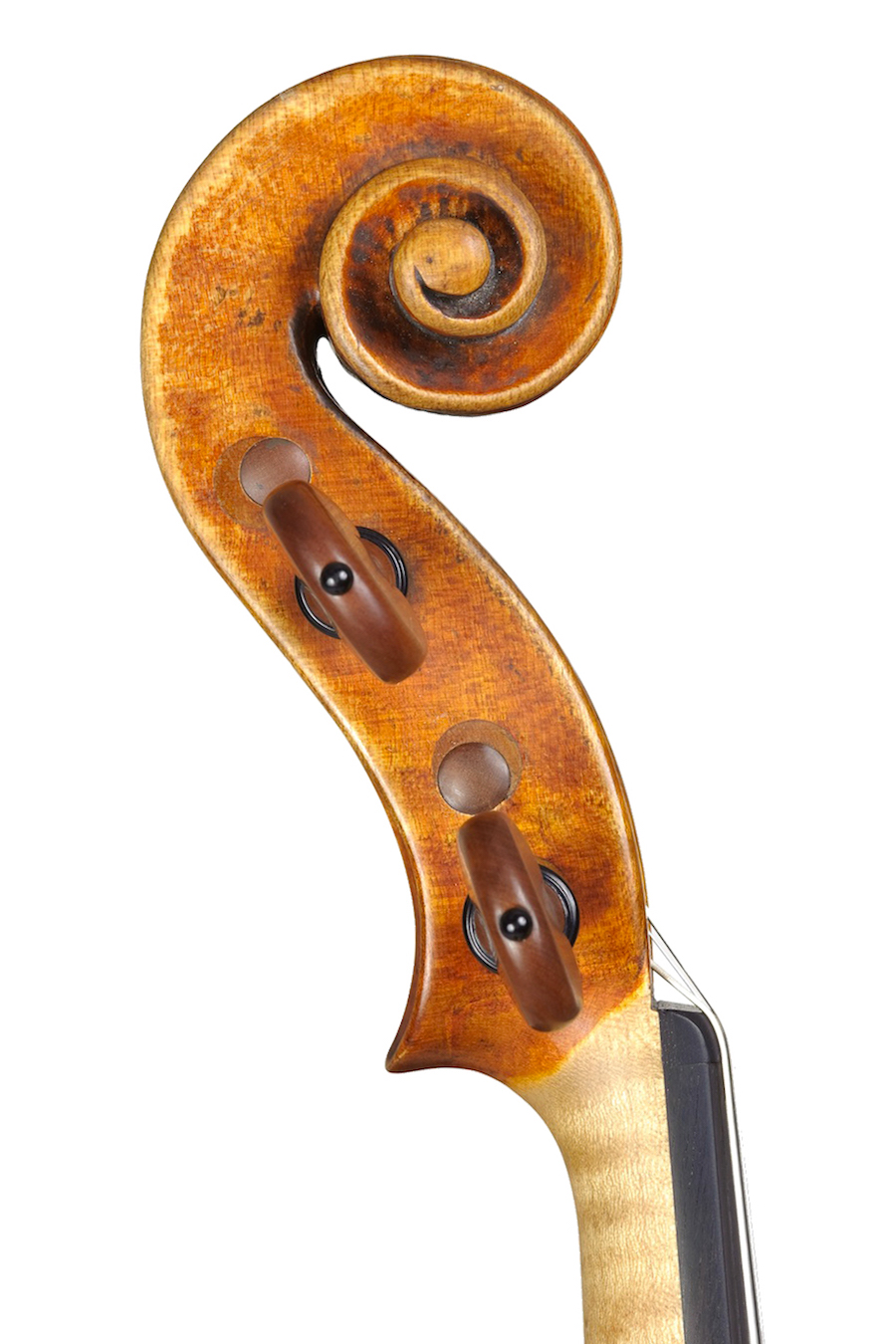
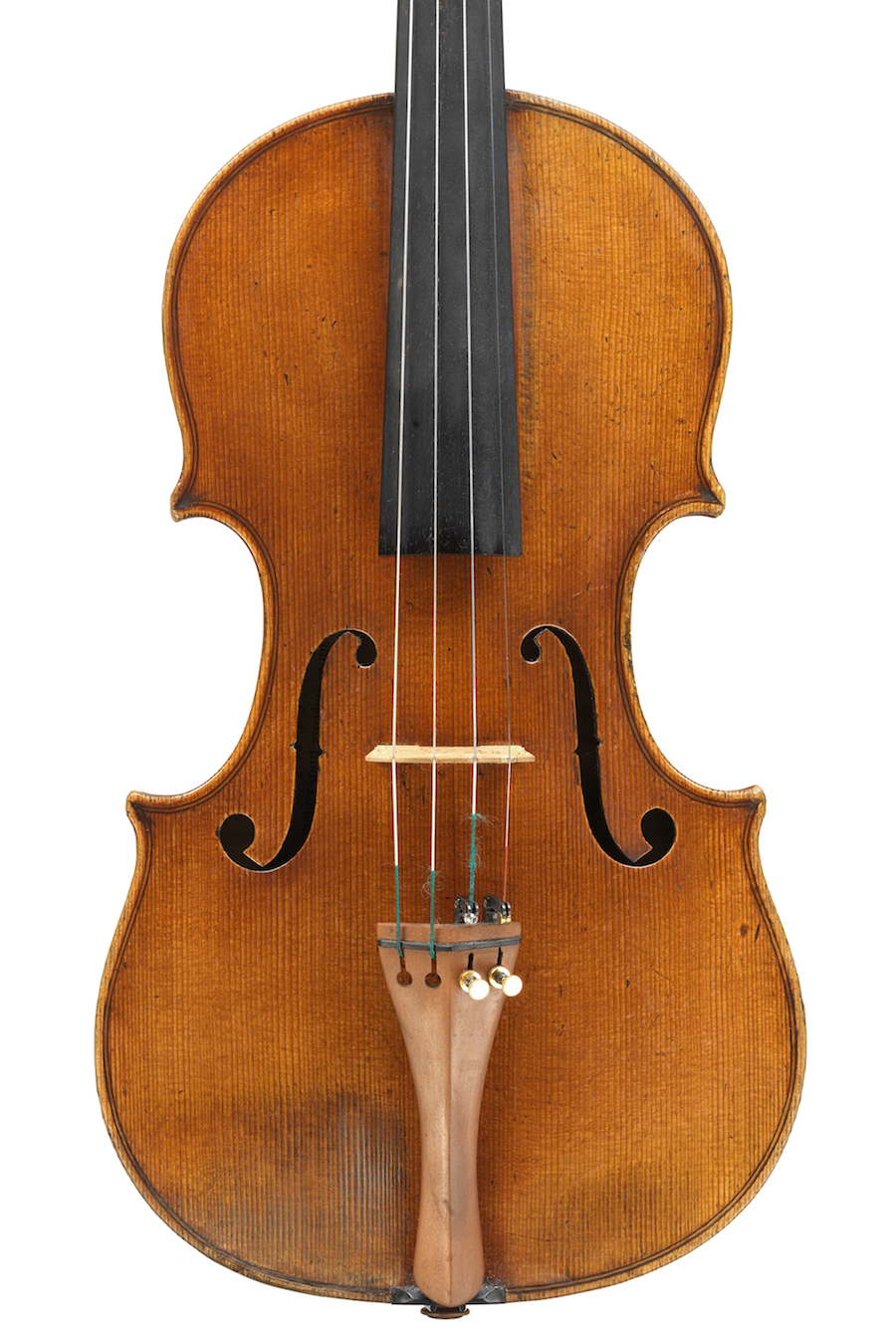
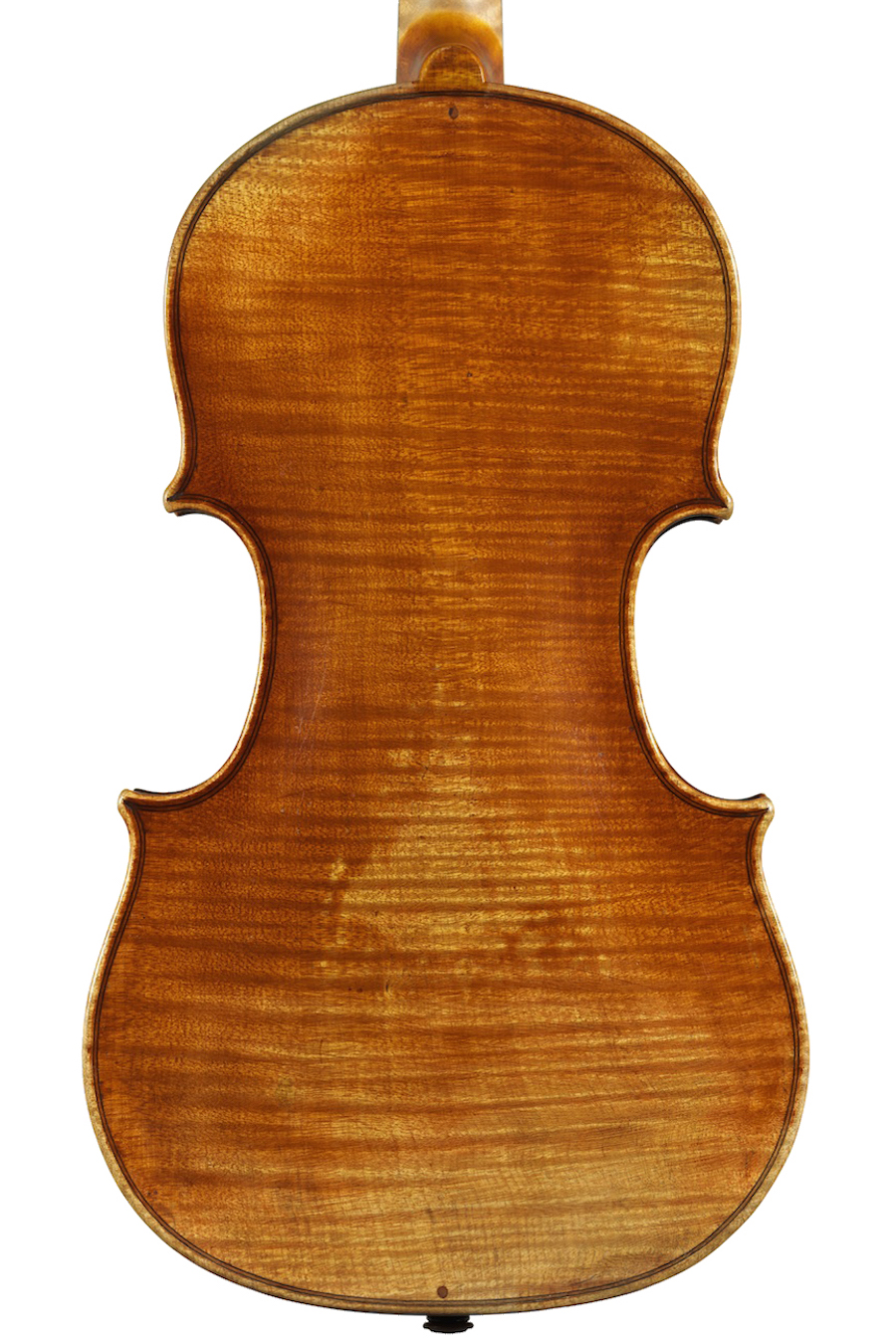
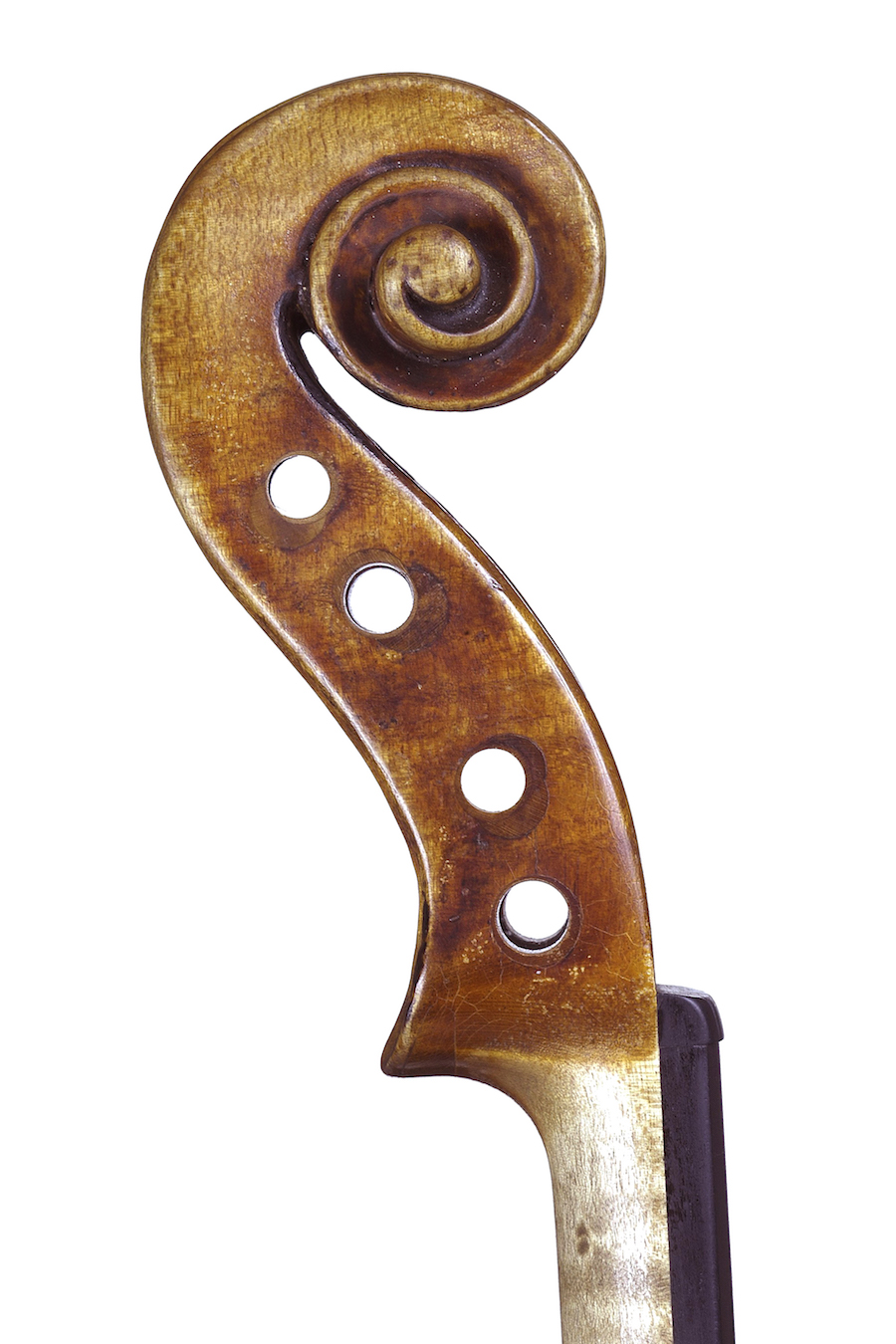
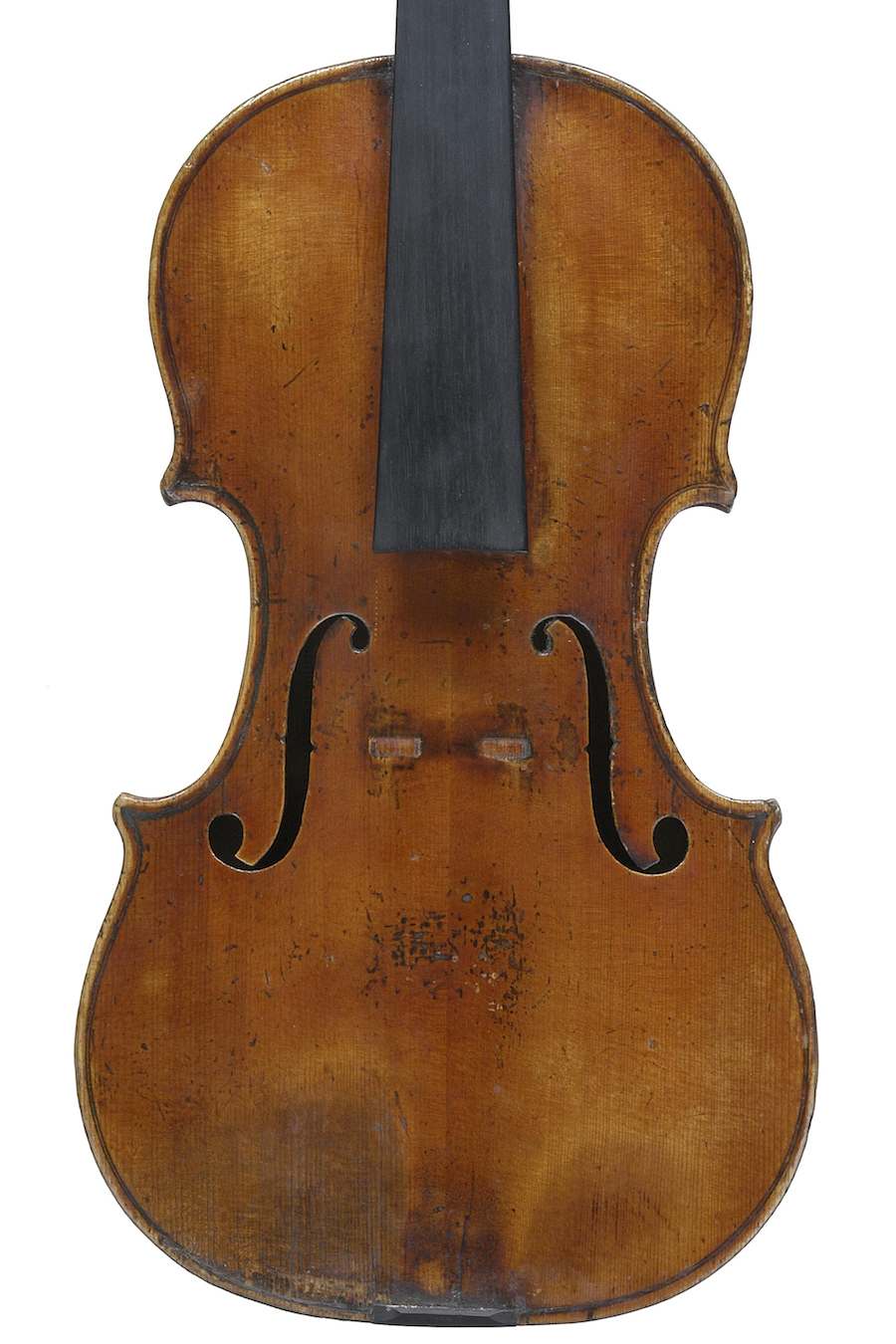
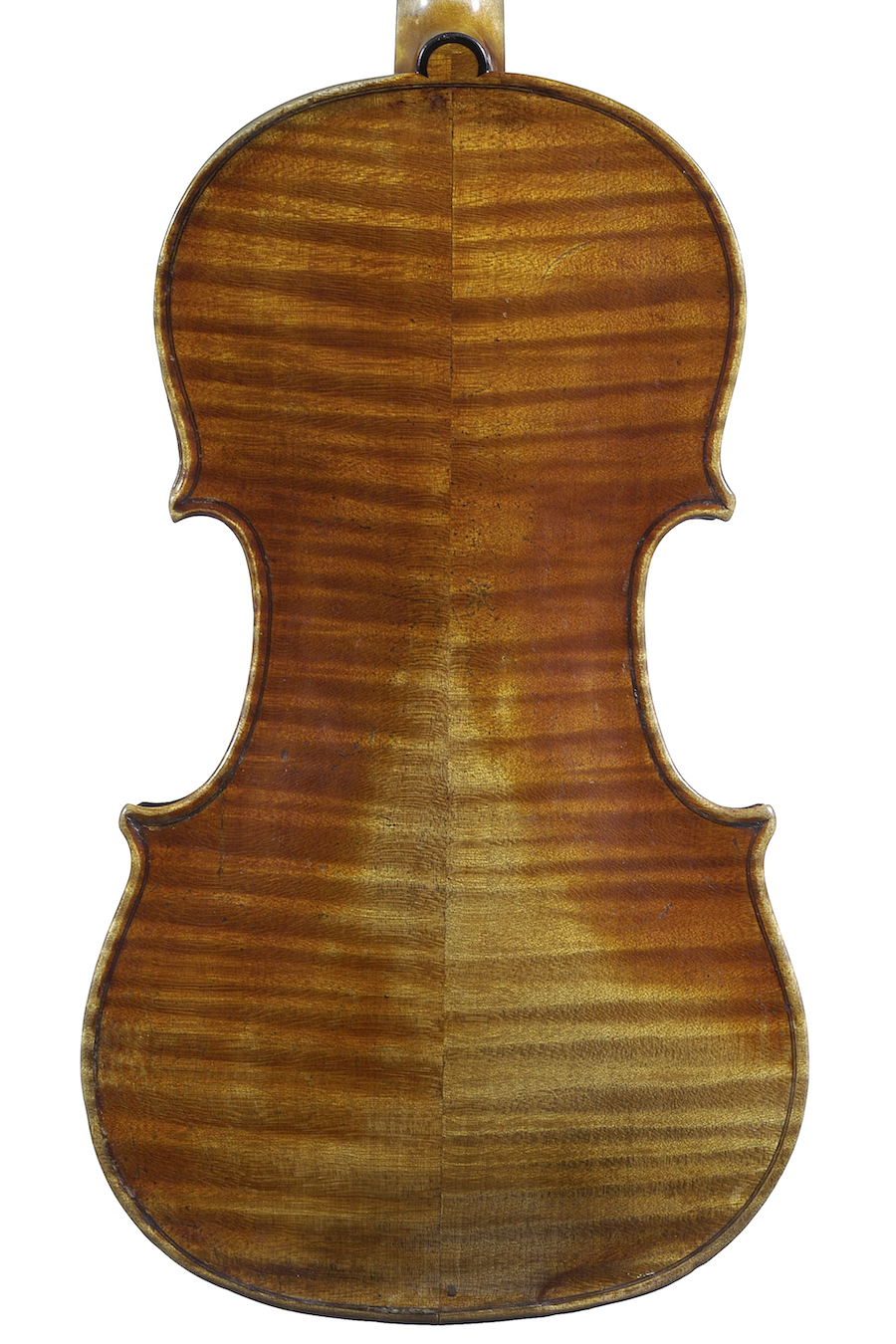
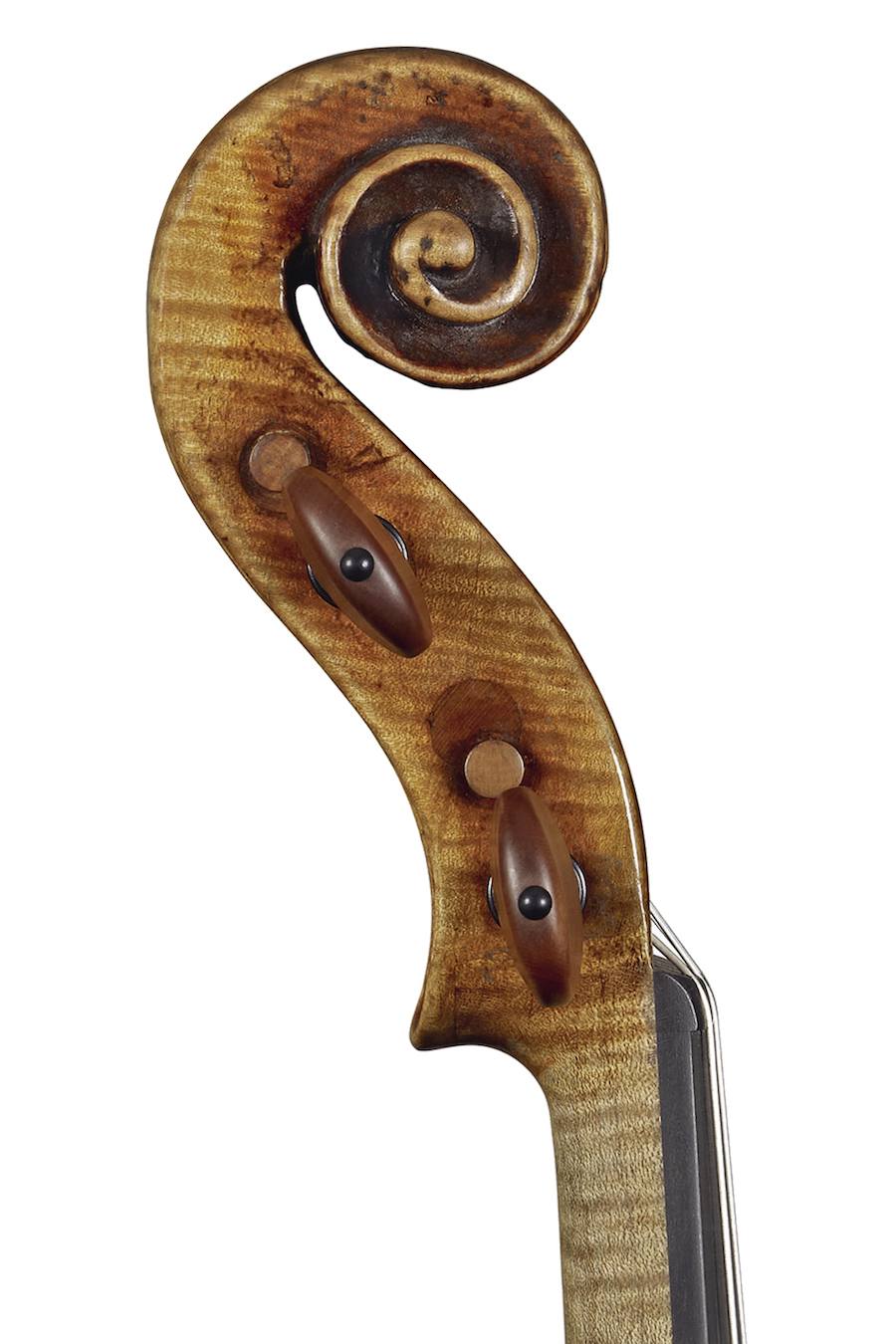
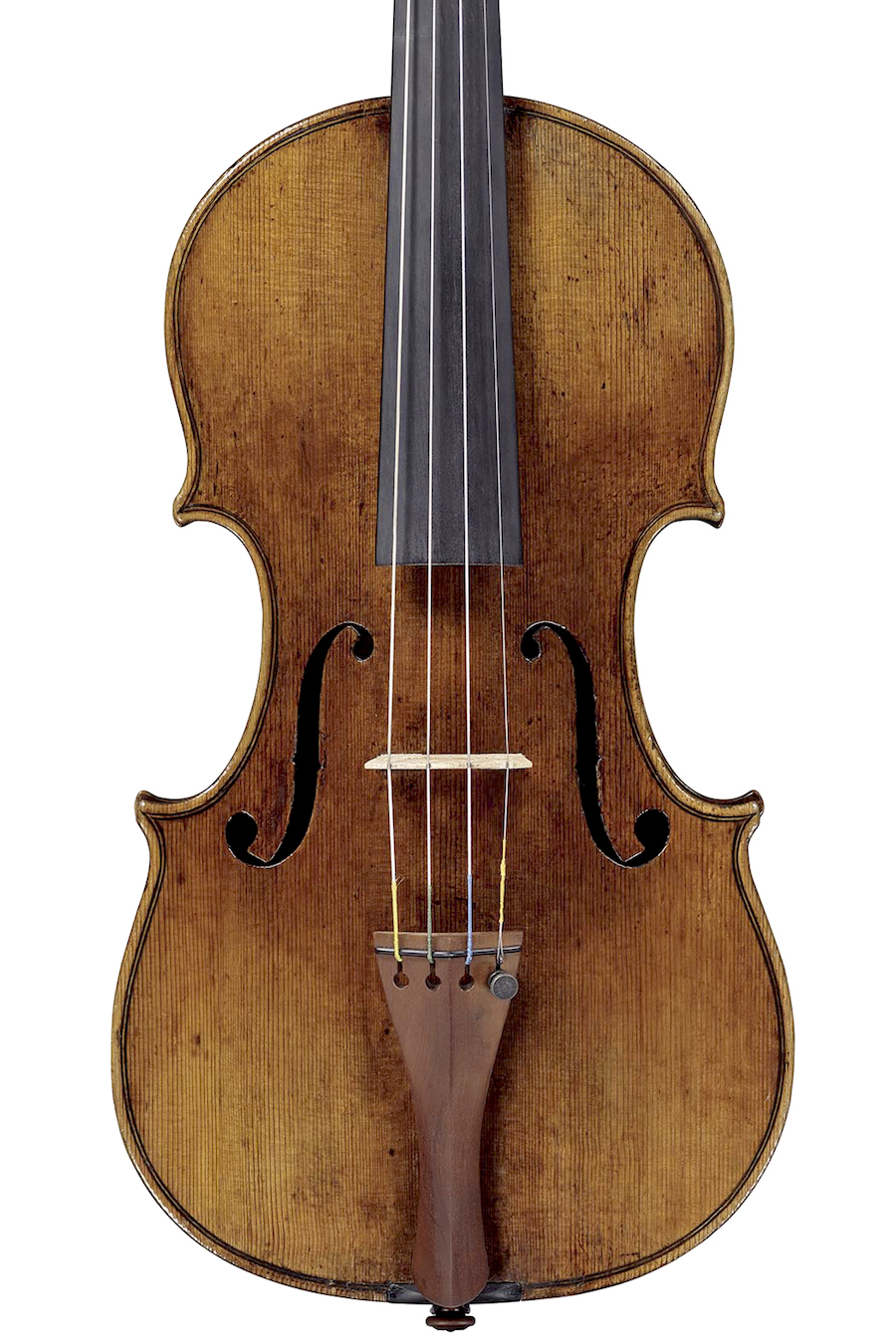
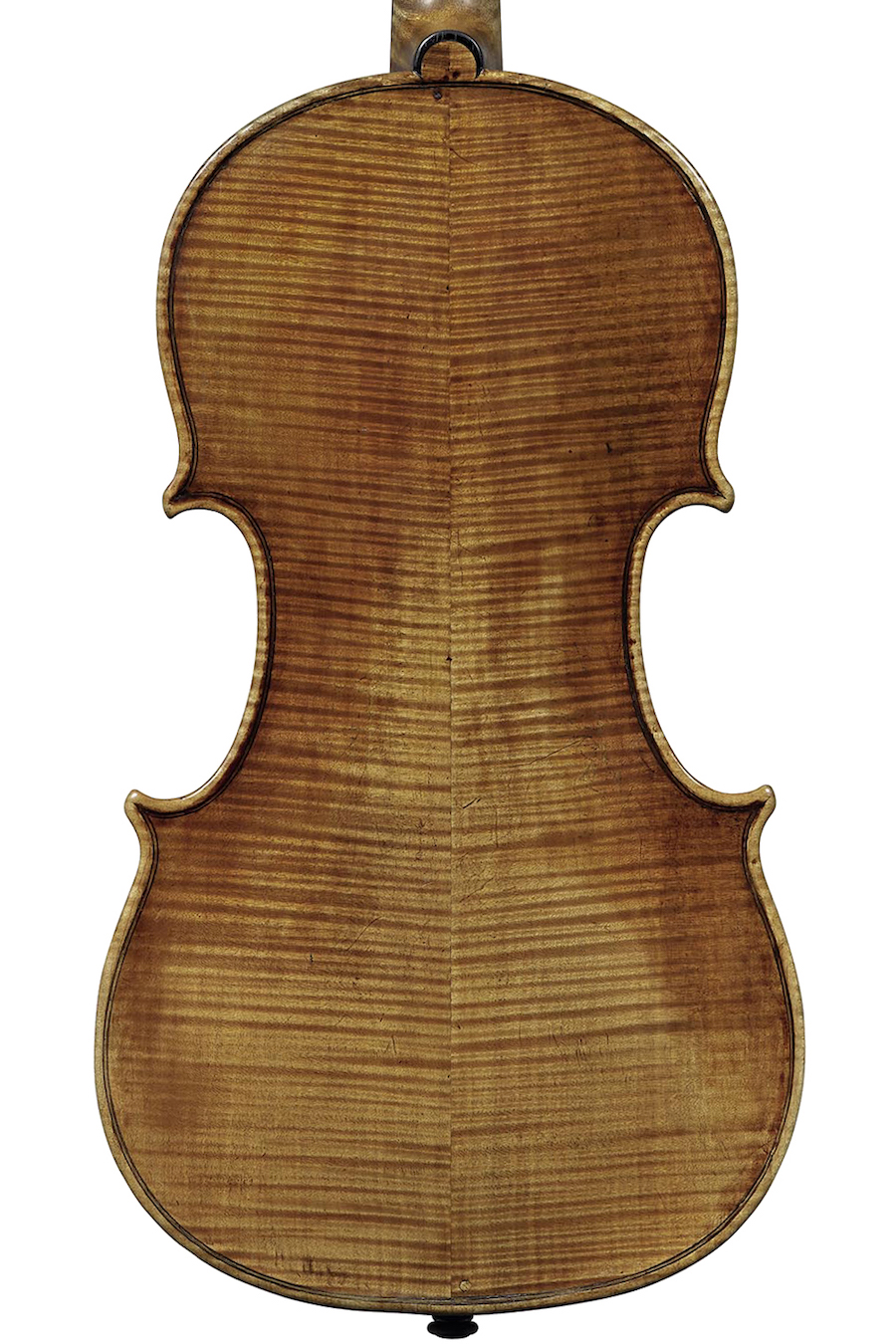
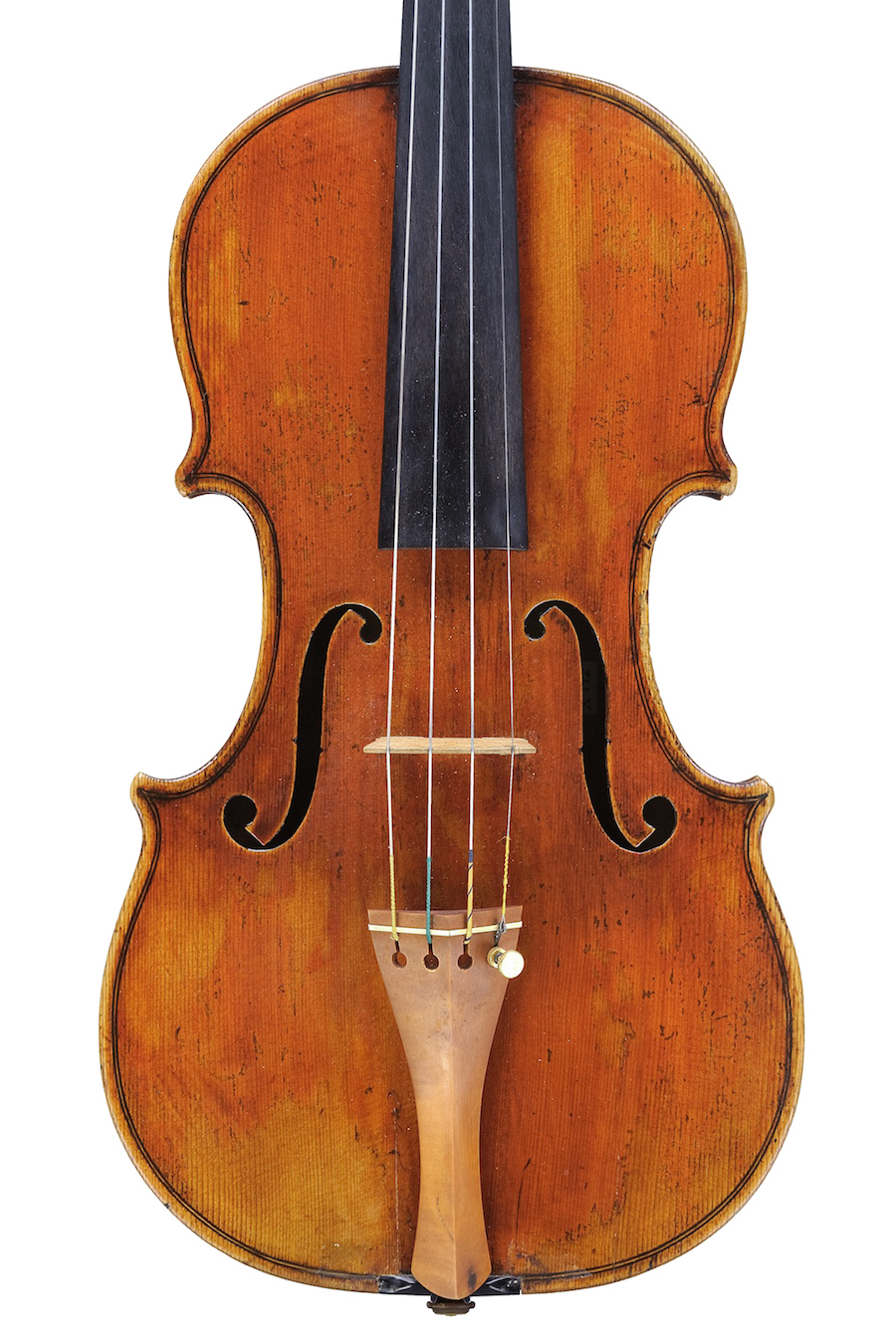
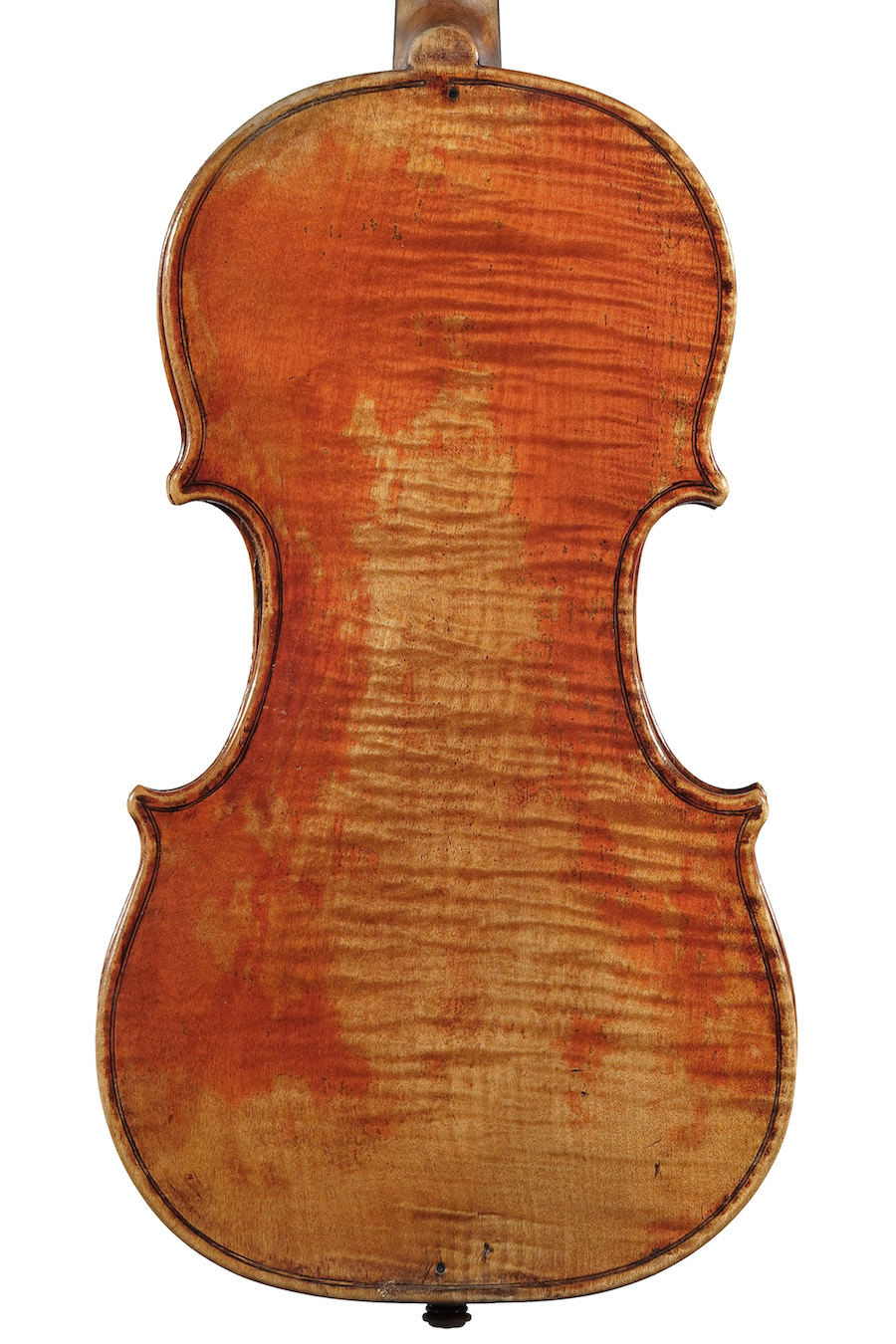
Giovanni Battista Guadagnini was born in 1711 in Bilegno, on the hills south of Piacenza, in an eminently agricultural community. His father Lorenzo, traditionally considered to be a luthier, actually ran an inn as his first occupation, so the origins of Giovanni Battista's interest in the world of musical instruments cannot be explained with certainty at the moment. After moving to Piacenza, the first instruments signed by Guadagnini date back to the early 1740s, and they are soon characterized by a personal style, but also by a choice of materials and models that testify to a precise awareness about the most recent developments in violin making.
In 1749 Guadagnini moved to Milan, a city that could certainly offer him opportunities and a more dynamic market than that of his province of origin. Although there are some instruments from 1758 bearing an original label that identifies the city in which they were made as Cremona, we have no other archive information that confirms his presence in the city. In 1759 Guadagnini moved with his family to Parma, where he was soon hired by the Duke Don Filippo di Borbone through his minister Guillaume du Tillot; this is a rare case in Italian history in which a famous luthier was employed directly by the court, with the task of taking care of the instruments of its orchestra. After about twelve years spent in the duchy, Guadagnini embarked on a new relocation, this time towards the city of Turin, then an important musical center and where Guadagnini came into contact with the noble instrument collector Ignazio Alessandro Cozio, count of Salabue. From 1773 and for four years, Guadagnini worked exclusively for the nobleman, who in 1776 also managed to acquire the moulds, drawings and tools from the former workshop of Antonio Stradivari from his heirs. The nobleman would have liked to instill a new impulse to violin making by getting his talented protégé to use these materials for making his own instruments, but Guadagnini's hostility towards this purpose and economic disagreements caused in 1777 a definitive break between the two. From that moment Guadagnini continued to work in Turin independently, and was also assisted by his sons, who then handed down the workshop activity to their heirs for several generations well into the twentieth century.
Guadagnini was an extremely prolific maker and is considered the greatest Italian luthier of the second half of the eighteenth century: his violins are outstanding concert instruments, while his violas and cellos show Guadagnini's stature as a great experimenter, who elaborated completely original new models. His style is very varied and is usually divided according to the city of production, which influenced his construction preferences and choice of the materials used.