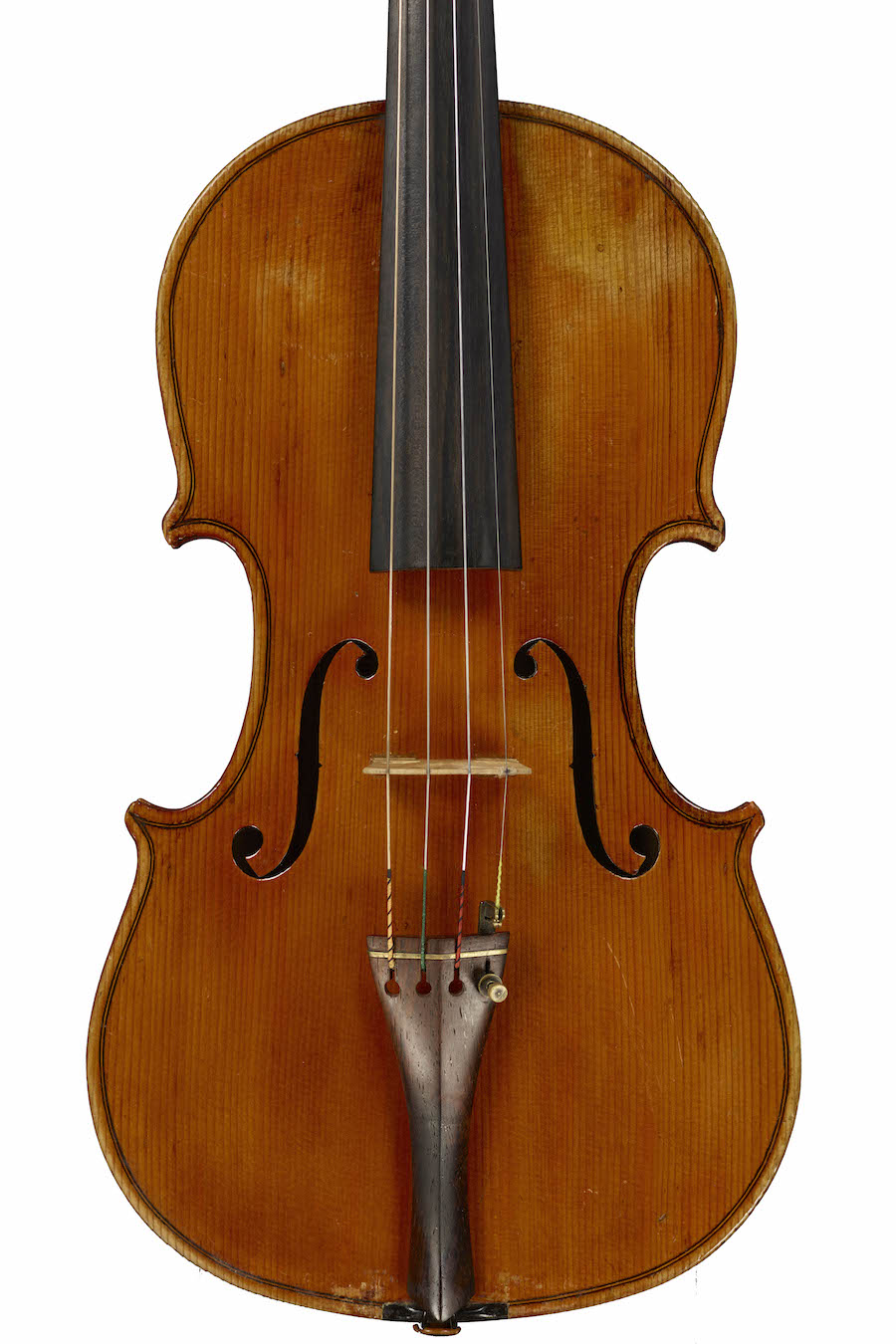
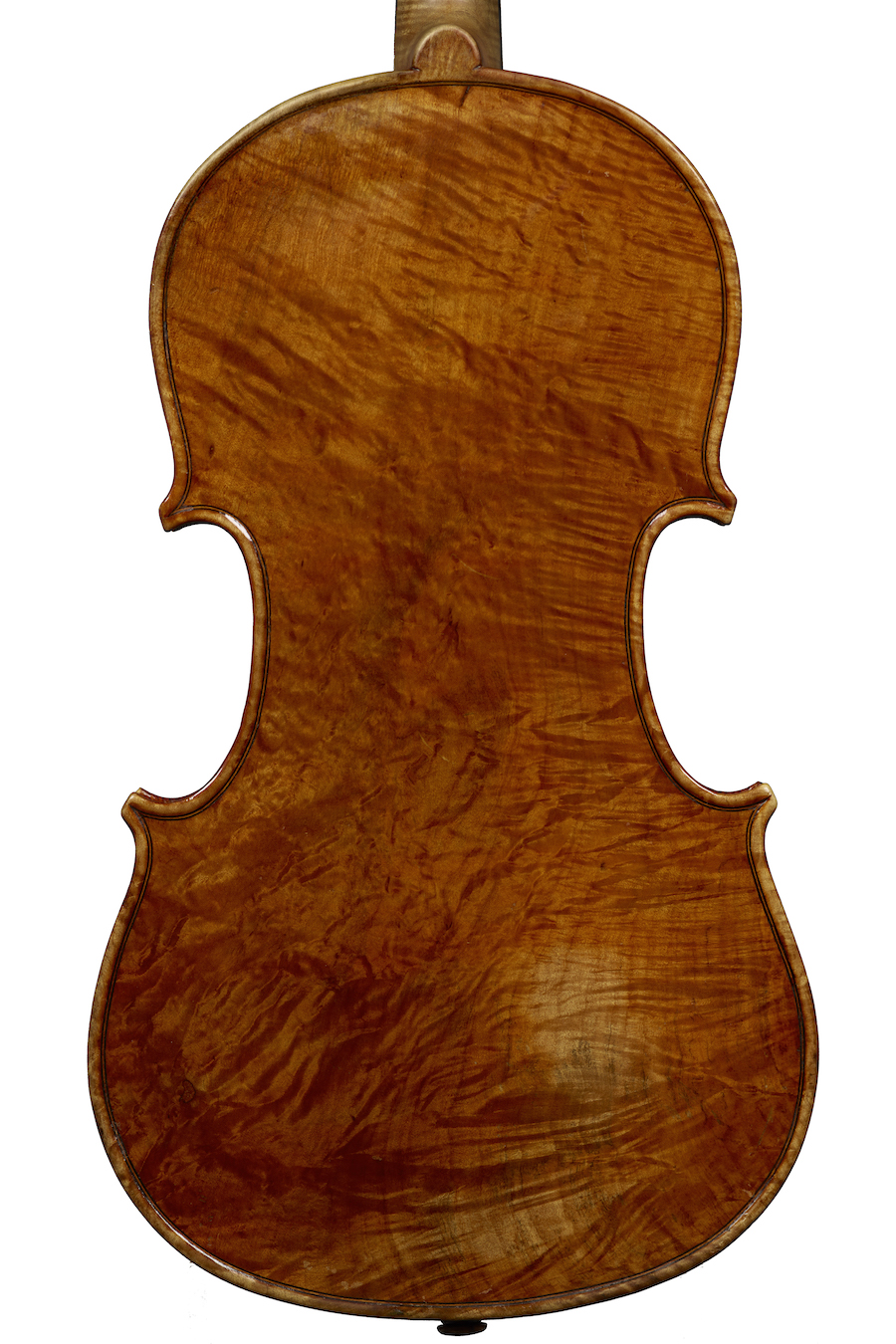
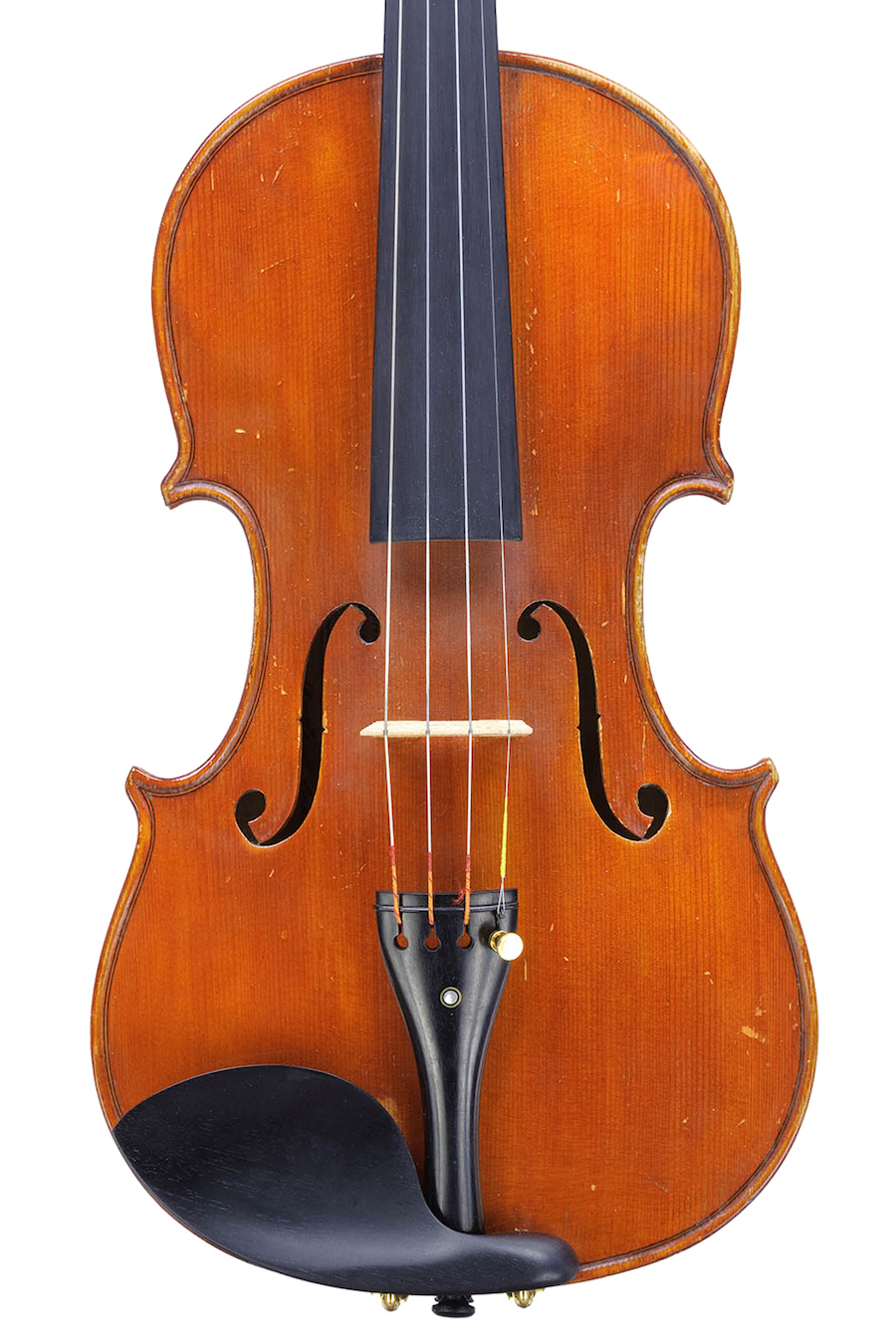
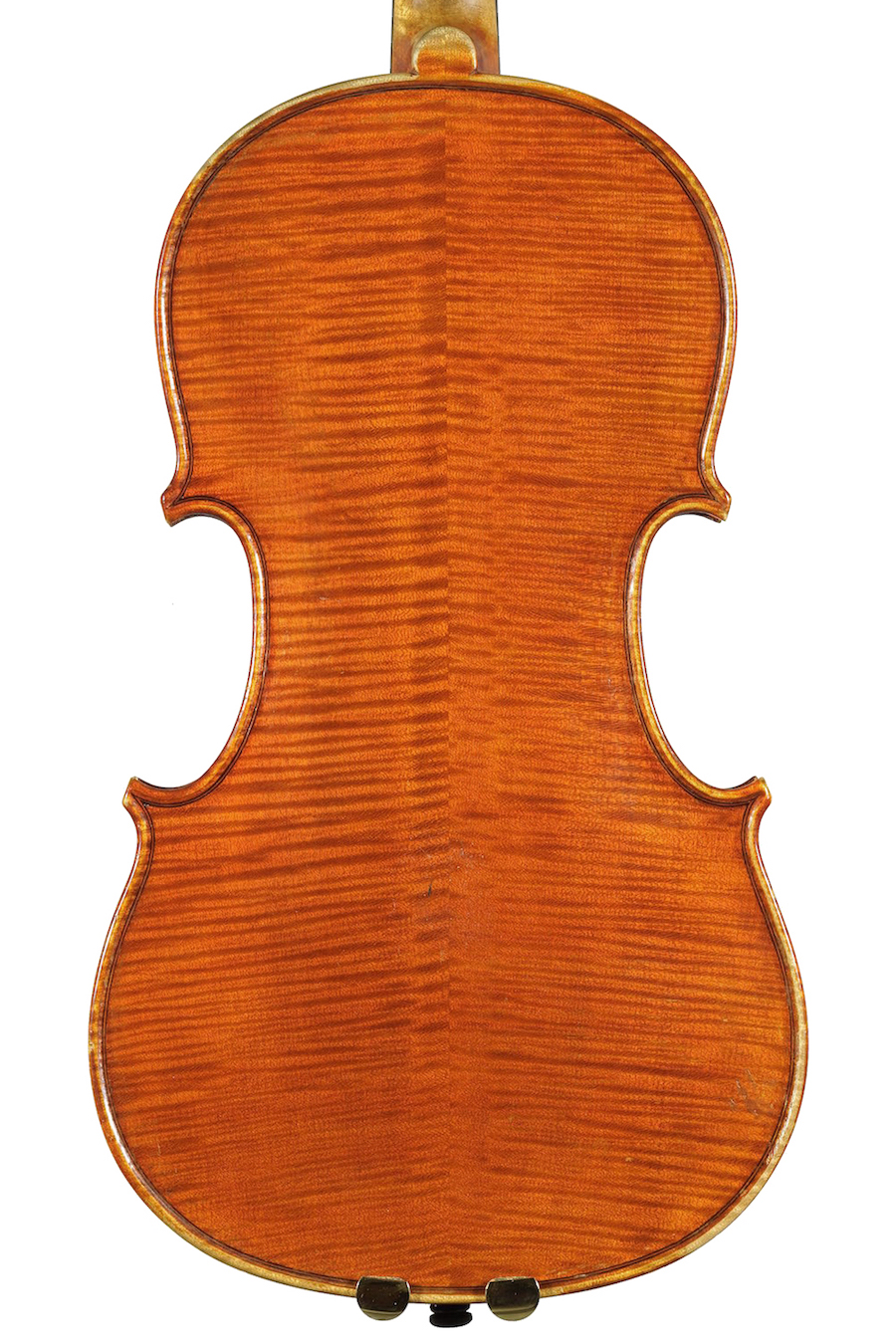
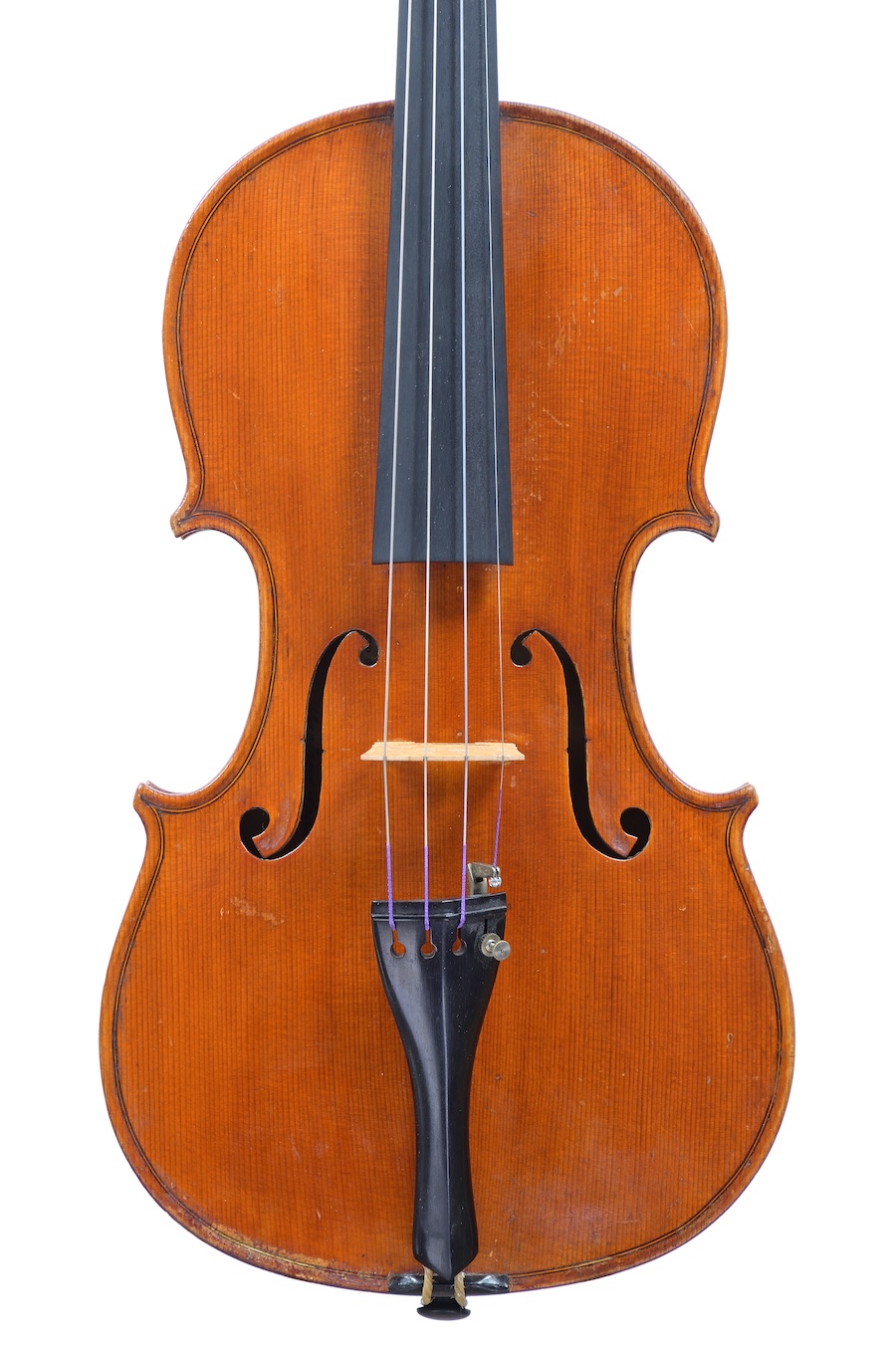
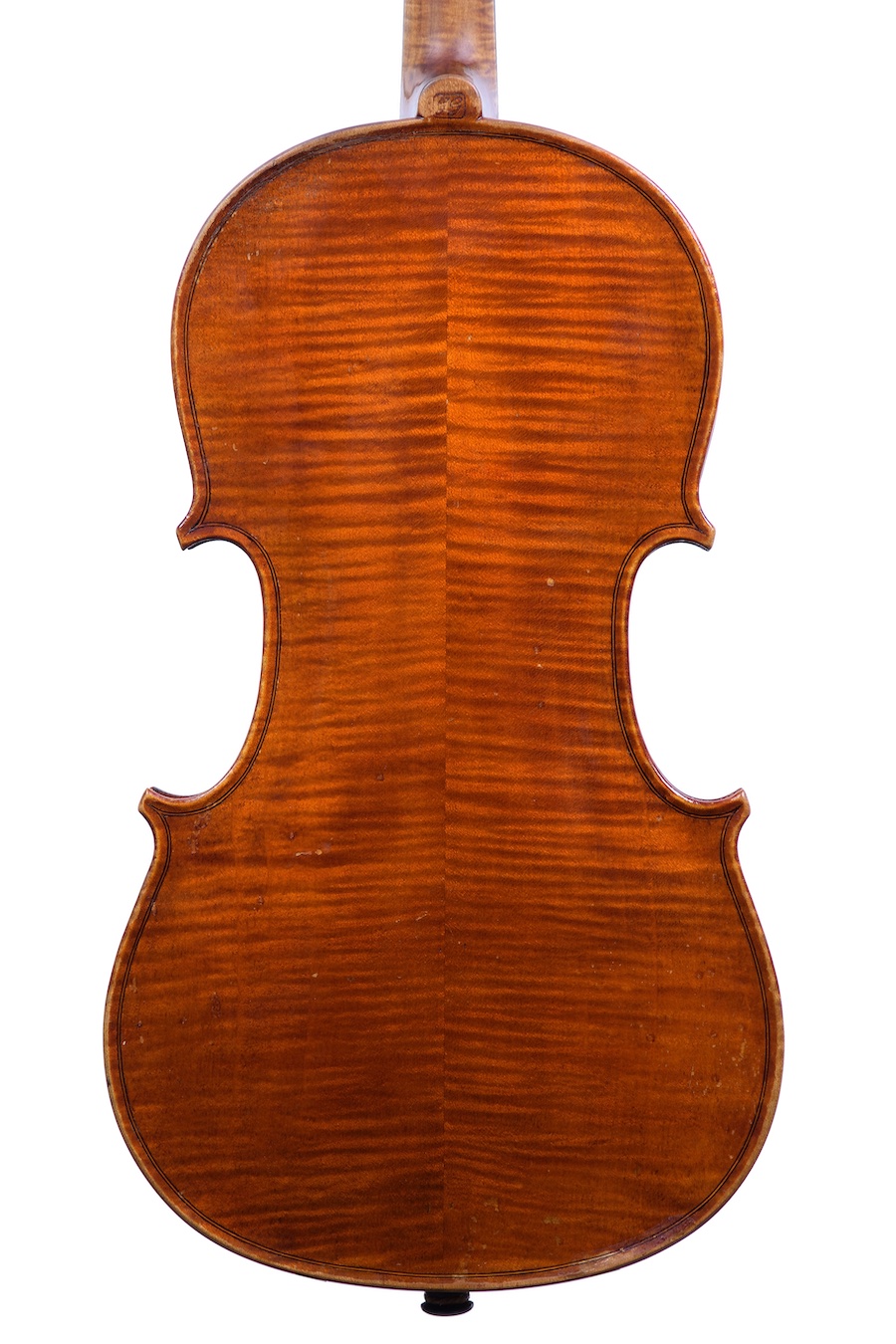
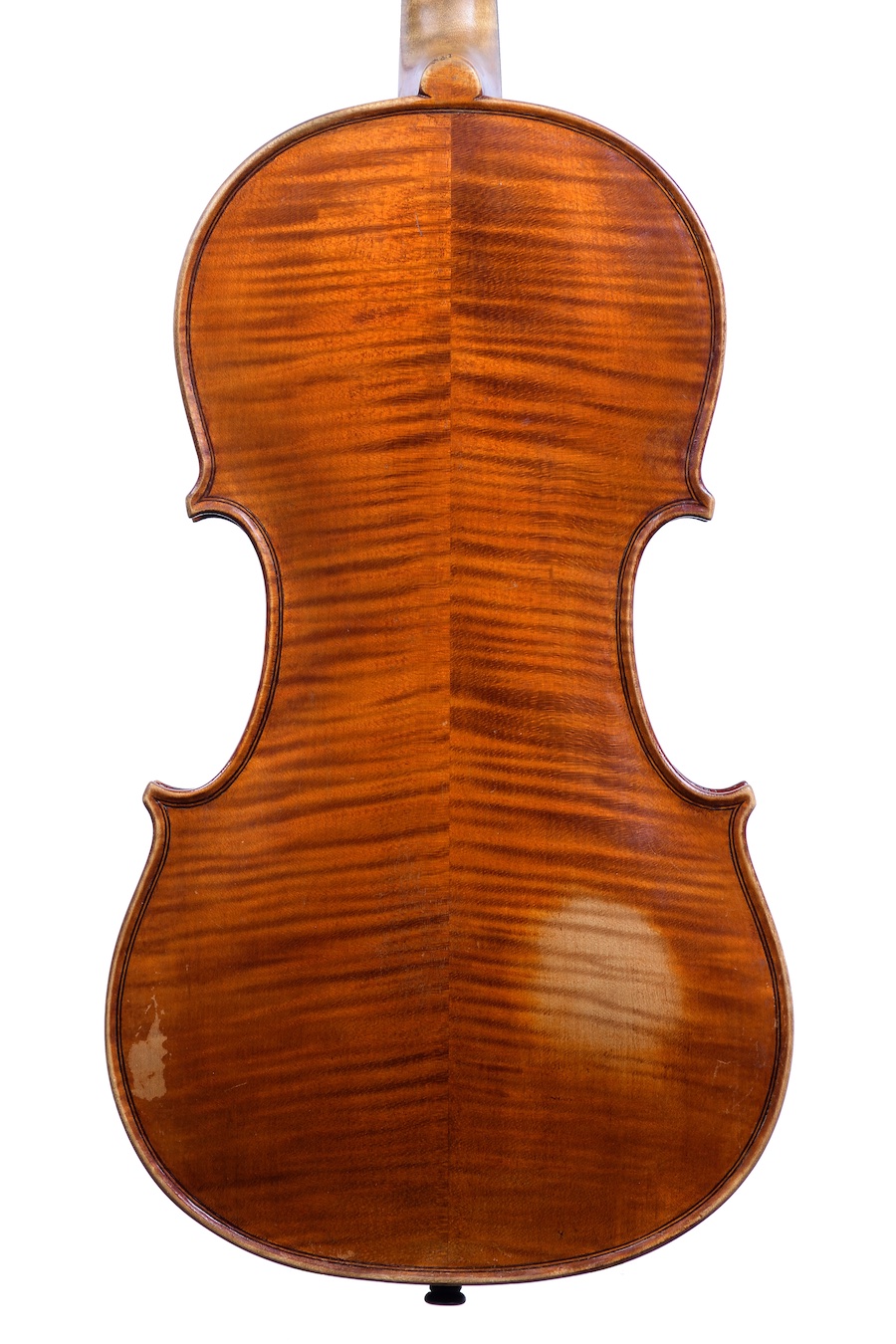
Born in Sorgà in 1900, Gaetano Gadda approached violin making immediately after the First World War, starting in 1919 to work as an assistant in the Mantuan workshop of Stefano Scarampella, who was already quite elderly at that time. In fact, the hand of the young apprentice began to make itself evident in many instruments of the master from the first half of the 1920s. With the worsening of Scarampella's health, he determined in 1924 to leave Gadda, by means of a notary deed, the tools and contents of his workshop, on condition that the student had to provide for his sustenance until his death, which however only occurred one year later, in 1925.
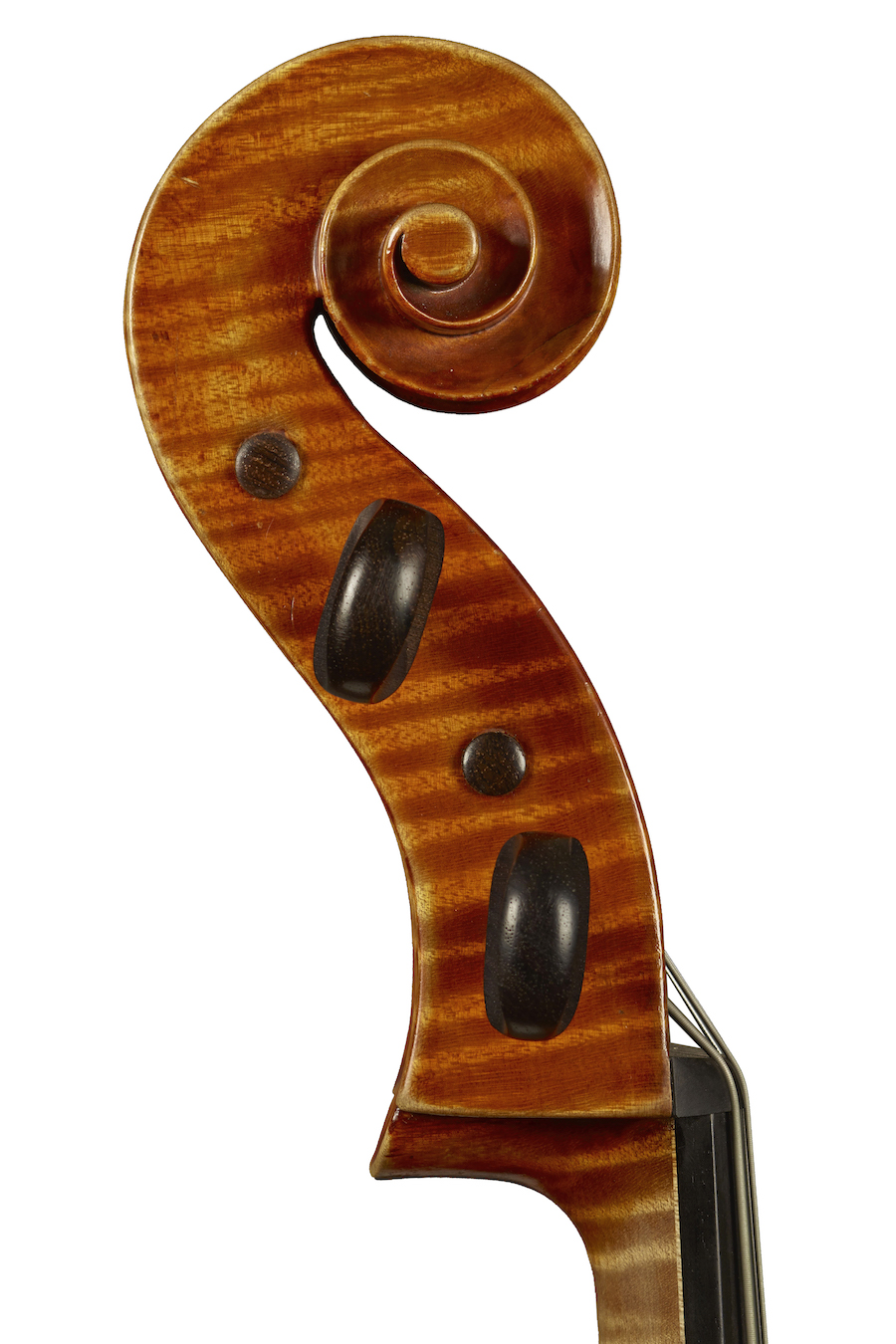
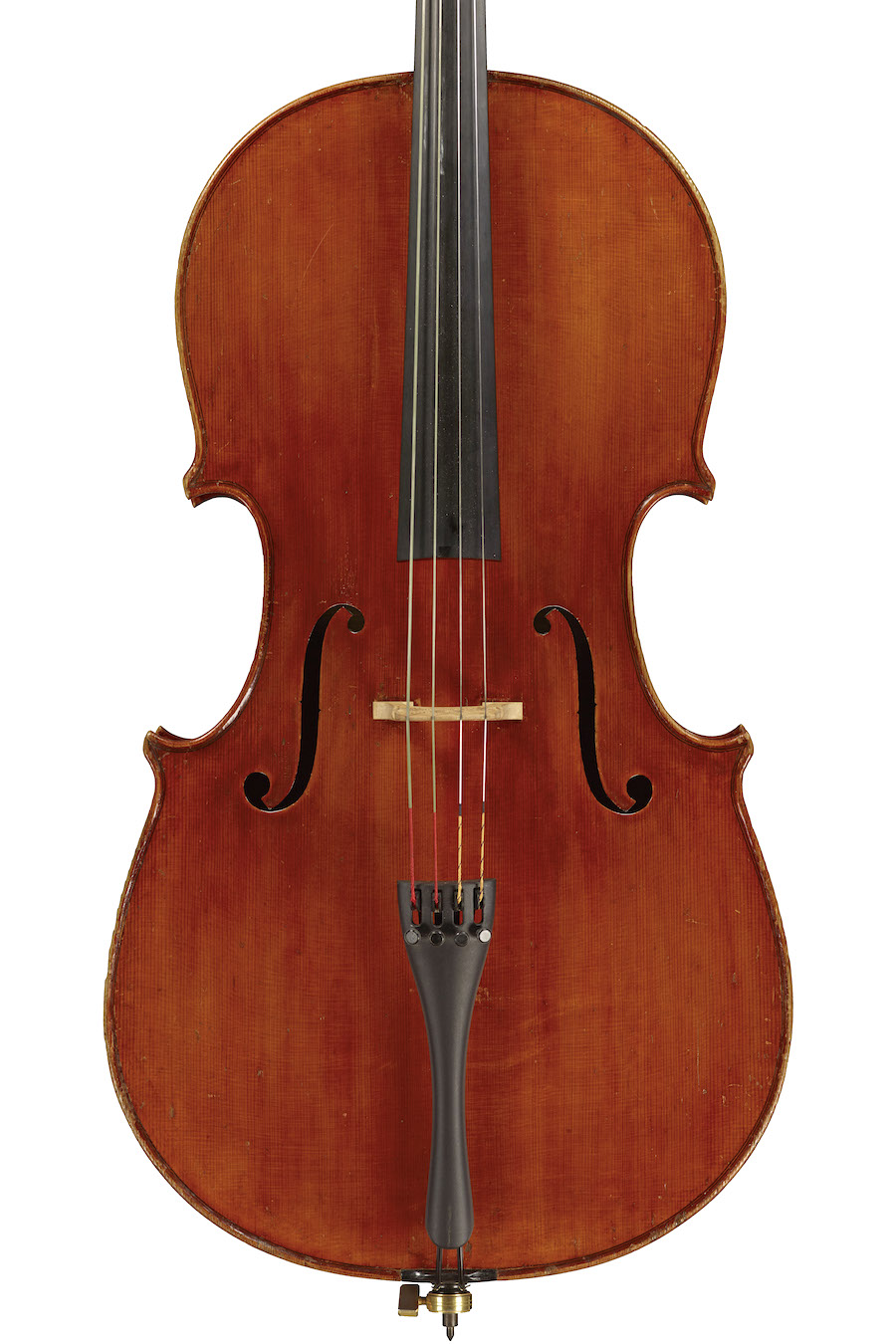
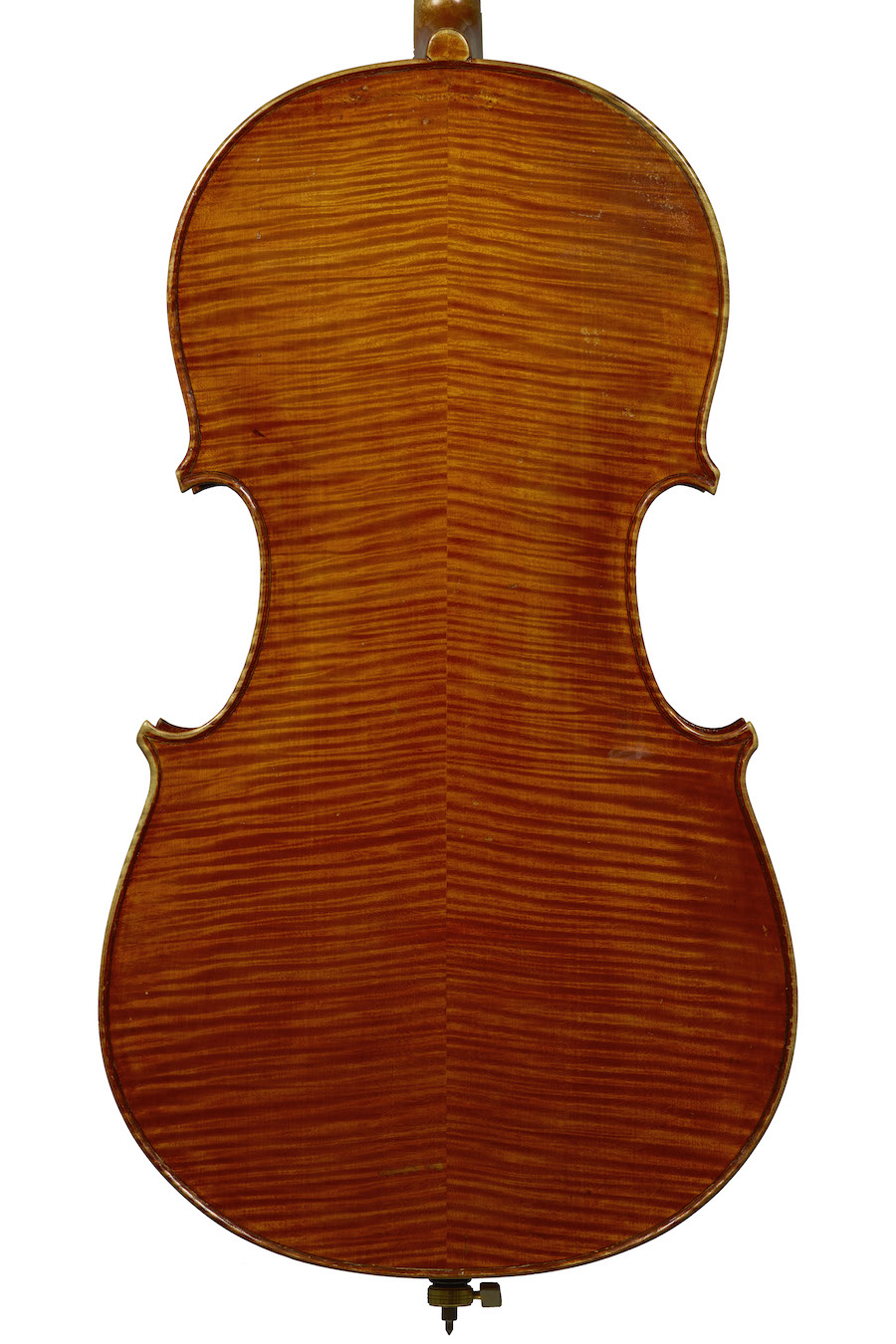
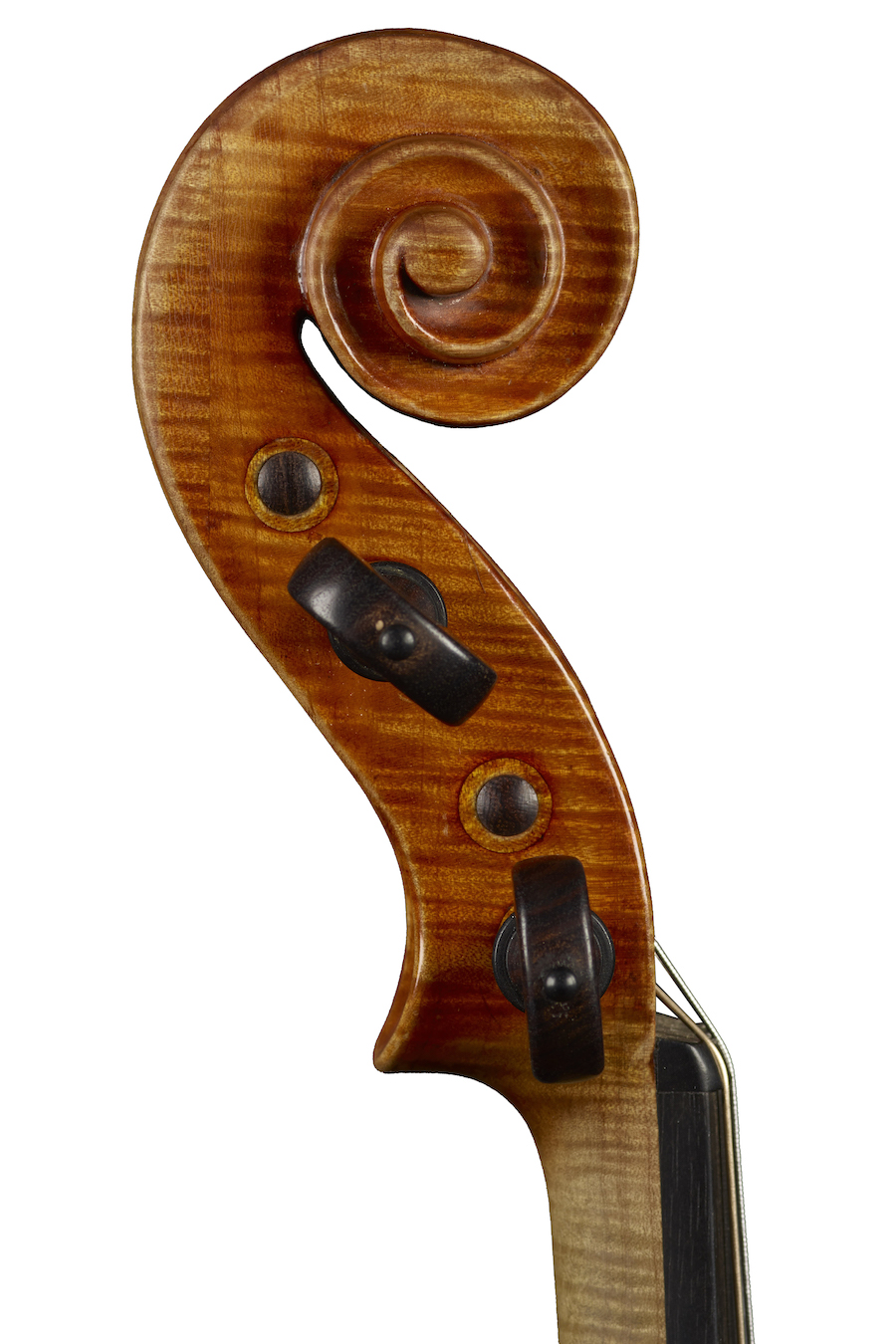
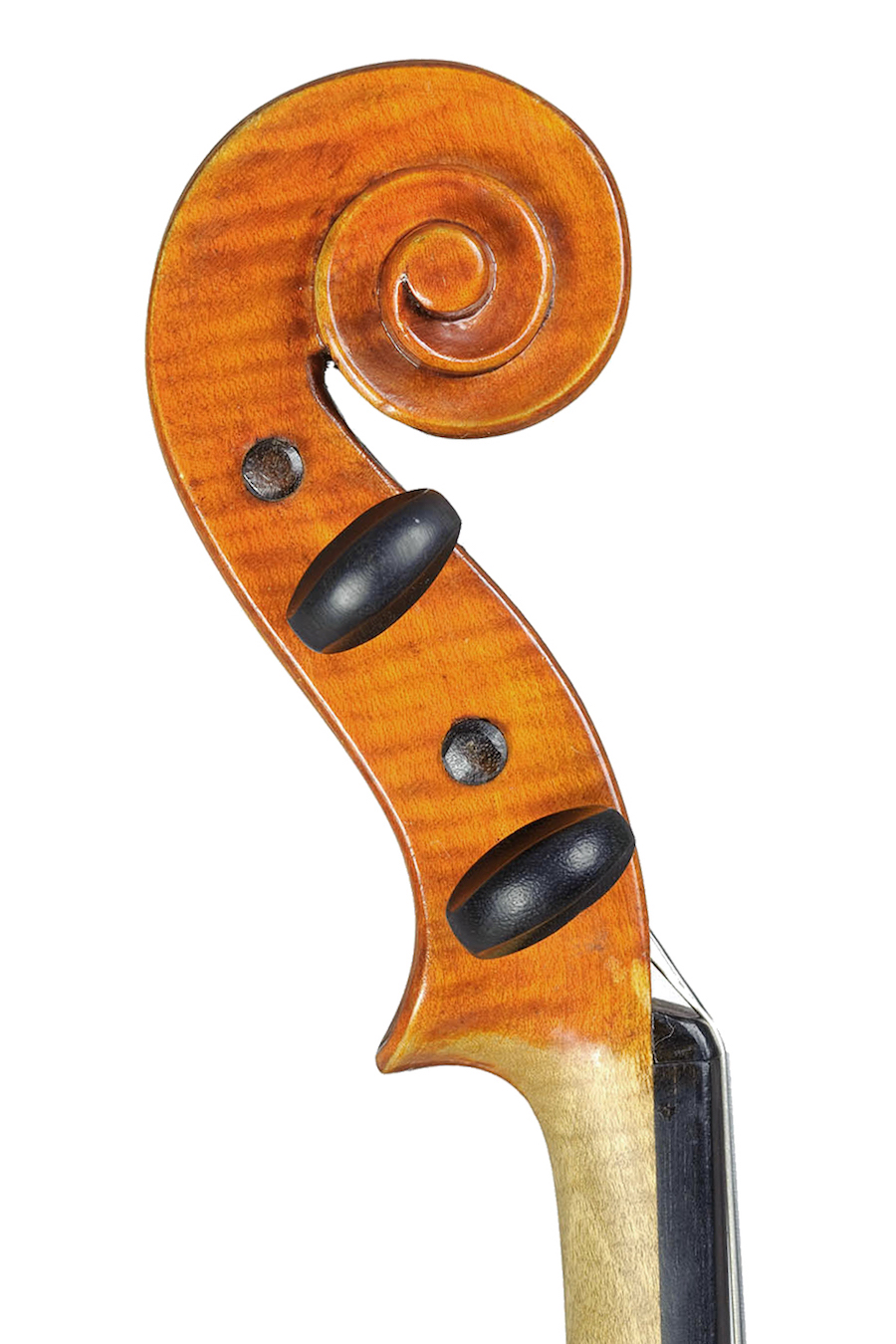
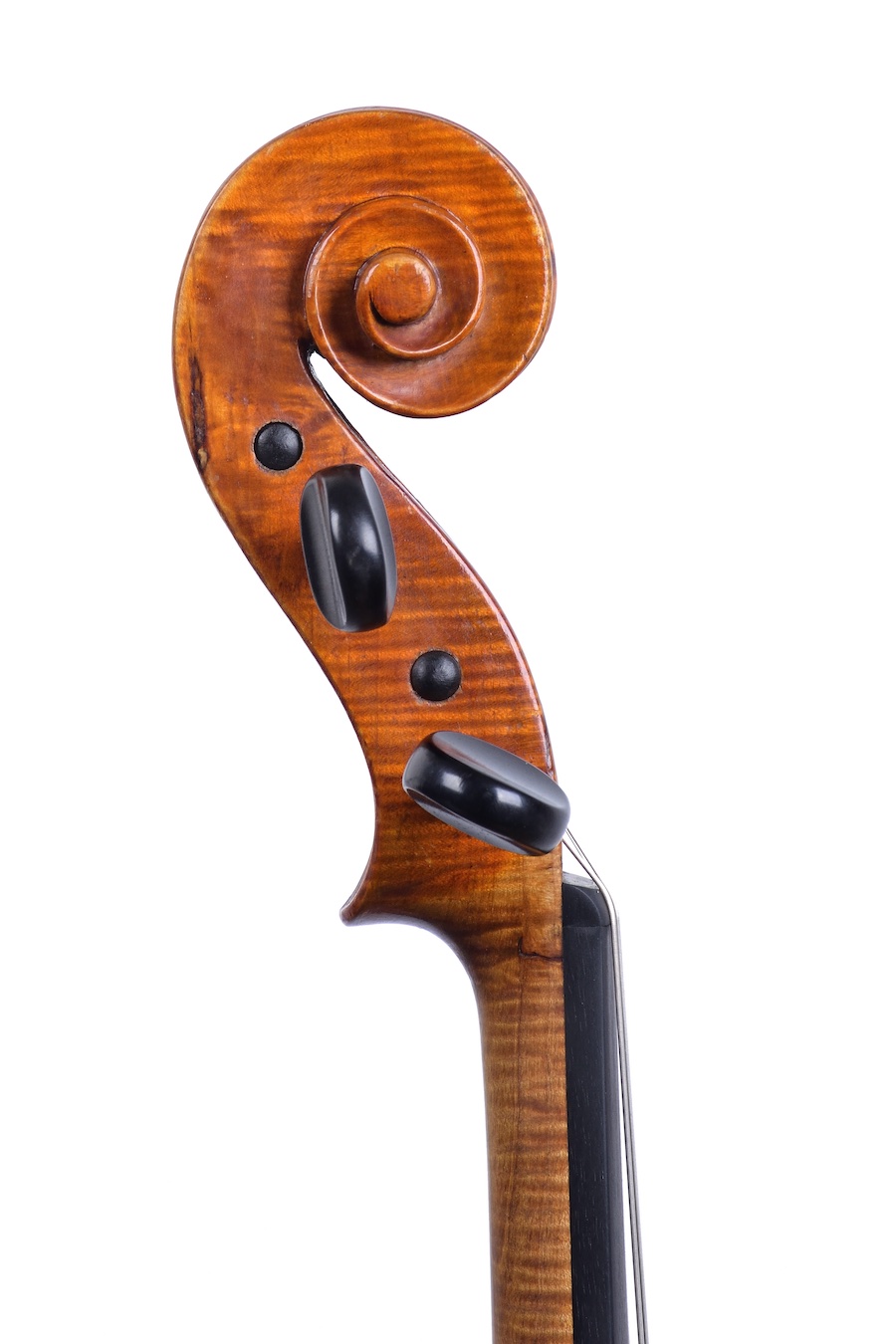
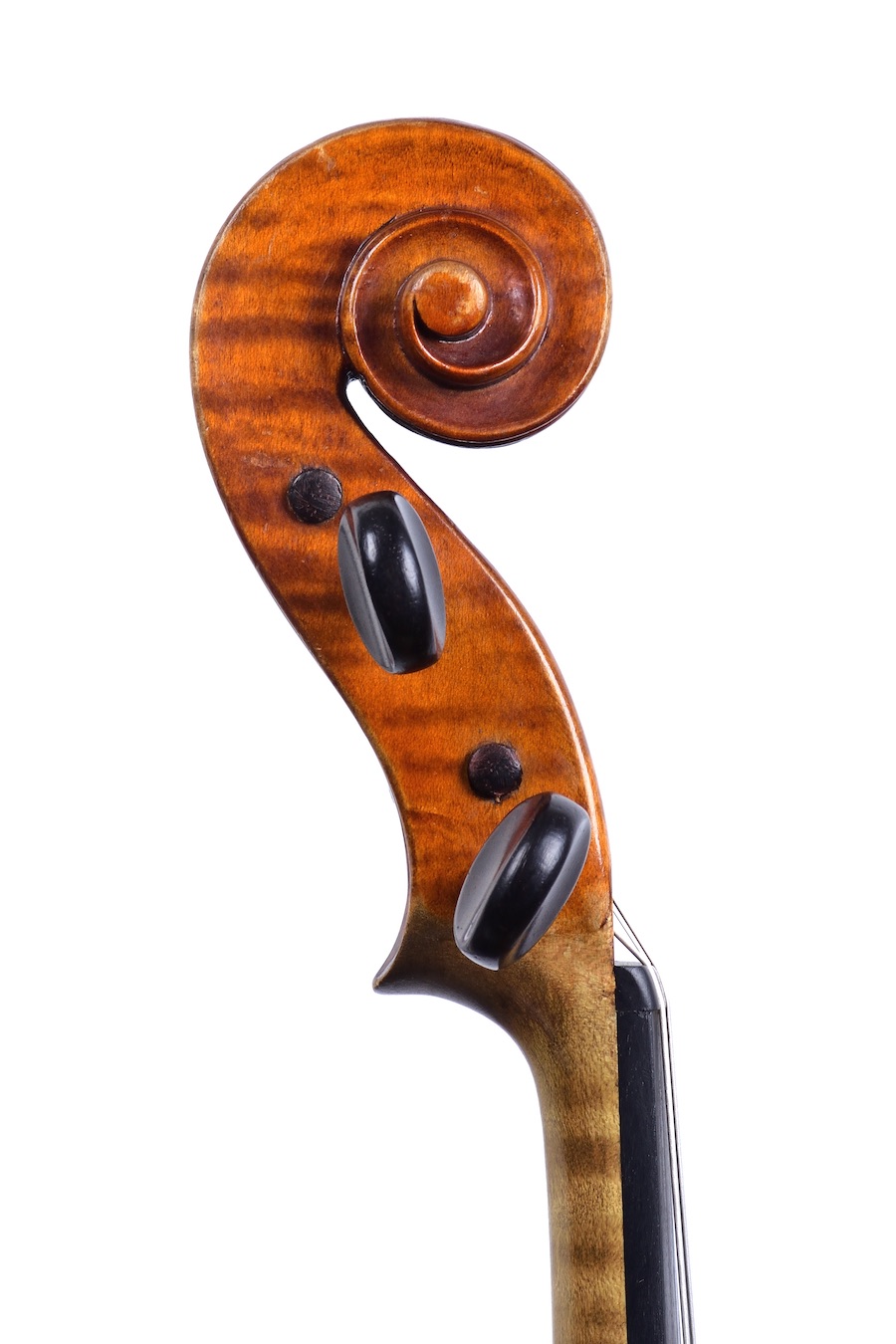
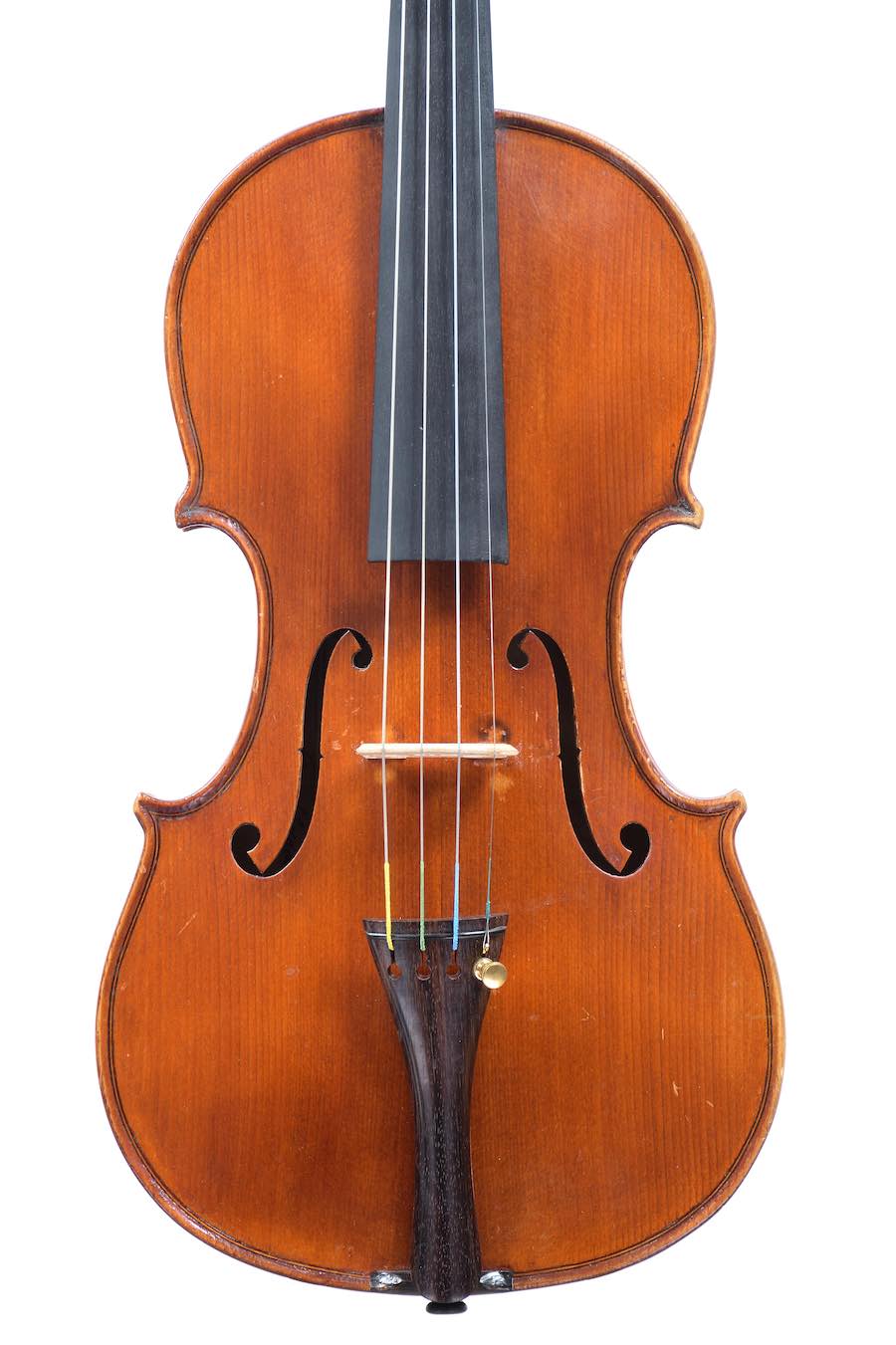
From this moment Gadda found himself working without a guide and initially tried to modify his style following the example of some Emilia Romagna violin makers, for instance by bringing the fluting closer to the purfling and rounding the edges in the manner of Soffritti. Later he returned to his previous style, but made several changes, for example by designing his personal Guarneri del Gesù model and by developing a Balestrieri pattern for cellos. Less spontaneous but more consistent and precise than his teacher, Gadda's style remains typically Mantuan in the scroll model, in which however Gadda tends to move the narrowest part of the volute forward in the manner of Balestrieri, and in the F-holes with a flexuous and curvilinear design.