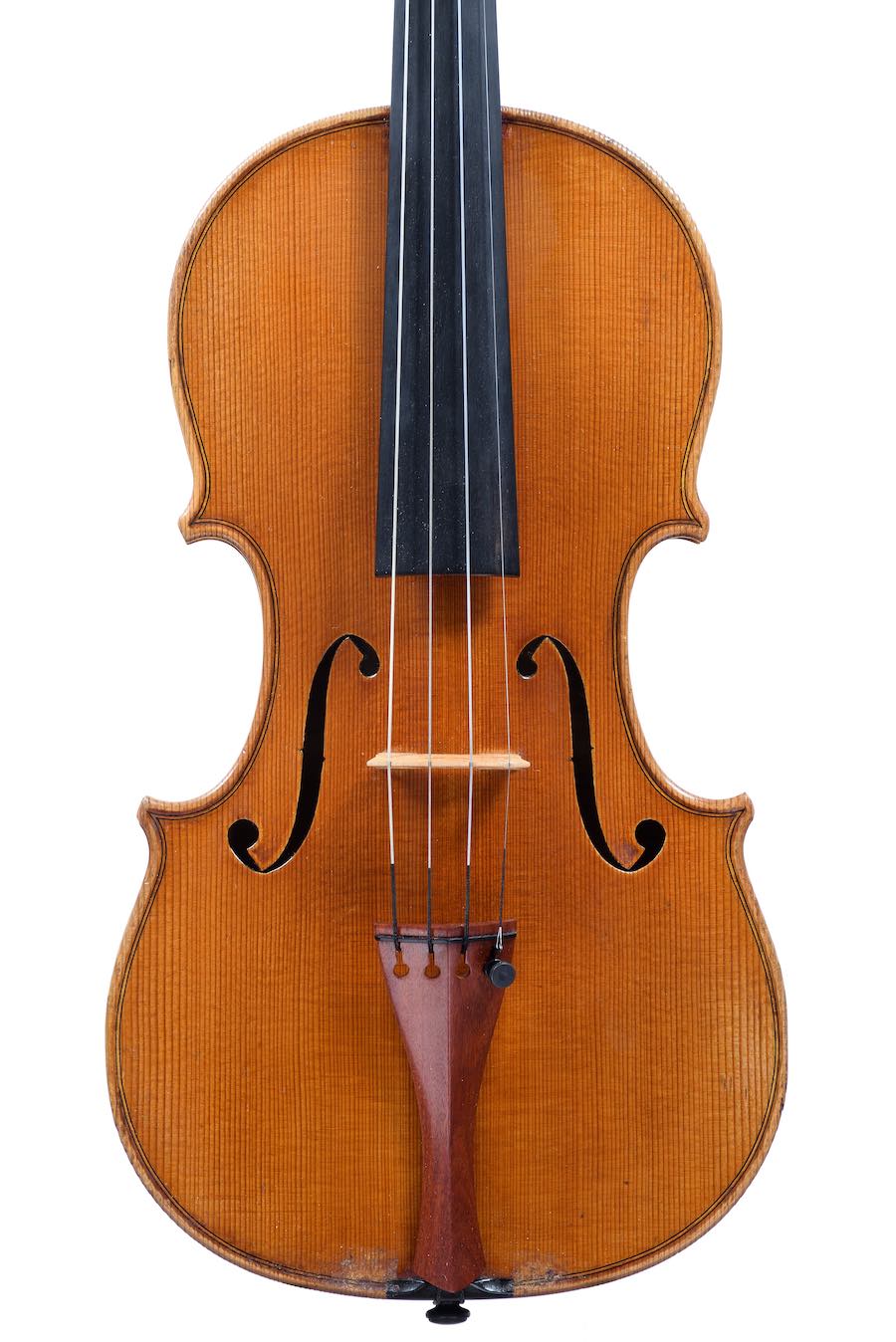
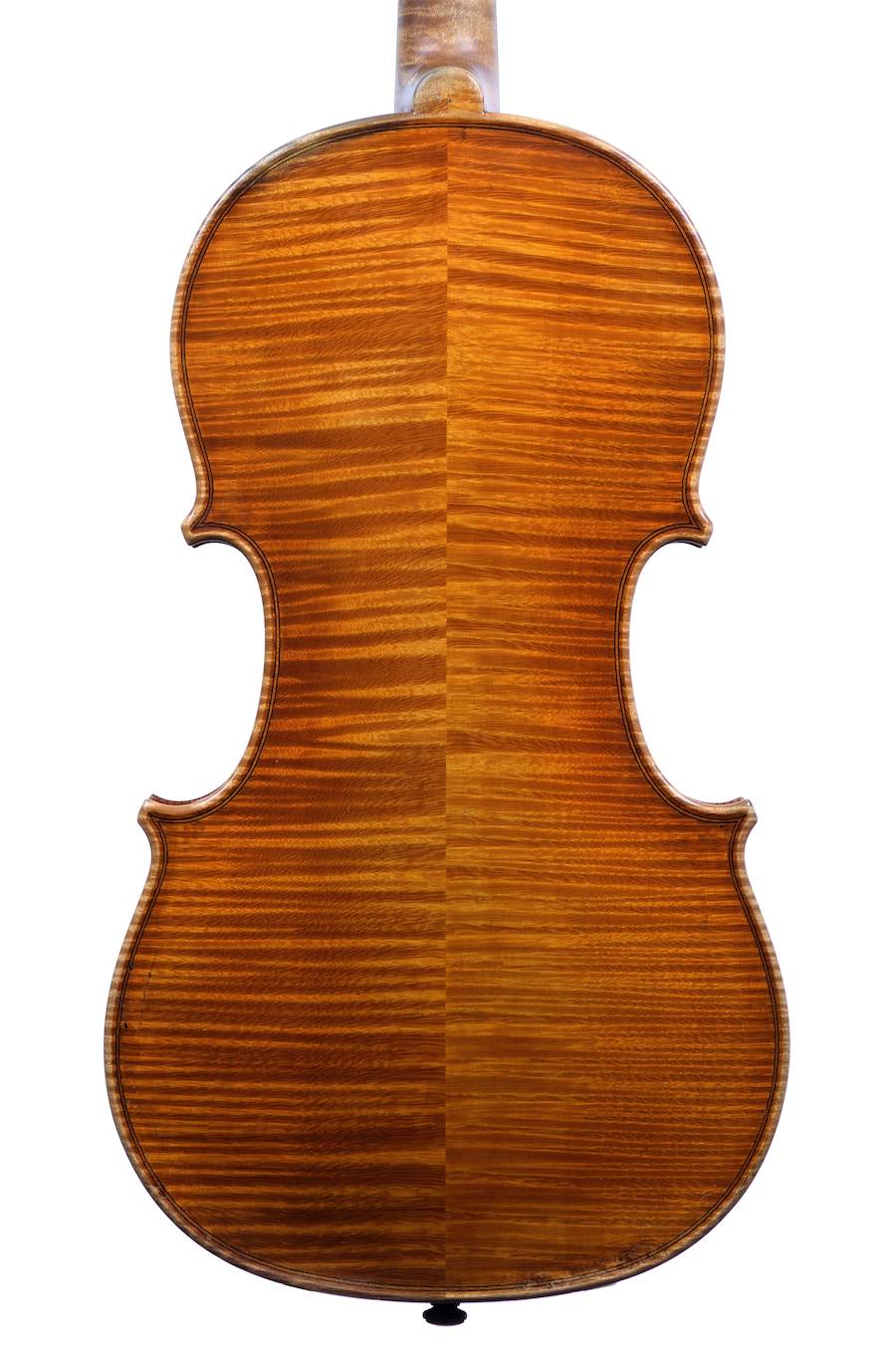
Born in 1895 in Santa Mustiola, in the Republic of San Marino, Capicchioni took an interest in instrument making driven by his passion for music (he had played guitar and saxophone from an early age) and thanks to his woodworking skills, acquired by assisting his father, who was a cooper by trade.
His first violins date back to the 1920s and have a very peculiar style, which nevertheless had a very rapid evolution towards more classical forms. After a brief interlude during which, pushed by necessity, he worked for some time in France, Capicchioni moved permanently to Rimini where he resumed violin making. Despite beinng a self-taught maker, already from the 1930s he was able to reach an excellent technical level and a strong personality both for the style and finish of his instruments. His works began to be highly appreciated by important musicians, including Franco Rossi of the Quartetto Italiano, Pina Carmirelli and Salvatore Accardo, who undoubtedly also contributed to his international success during the 1950s and 60s, that featured among his clients and admirers David Oistrakh and Yehudi Menuhin.
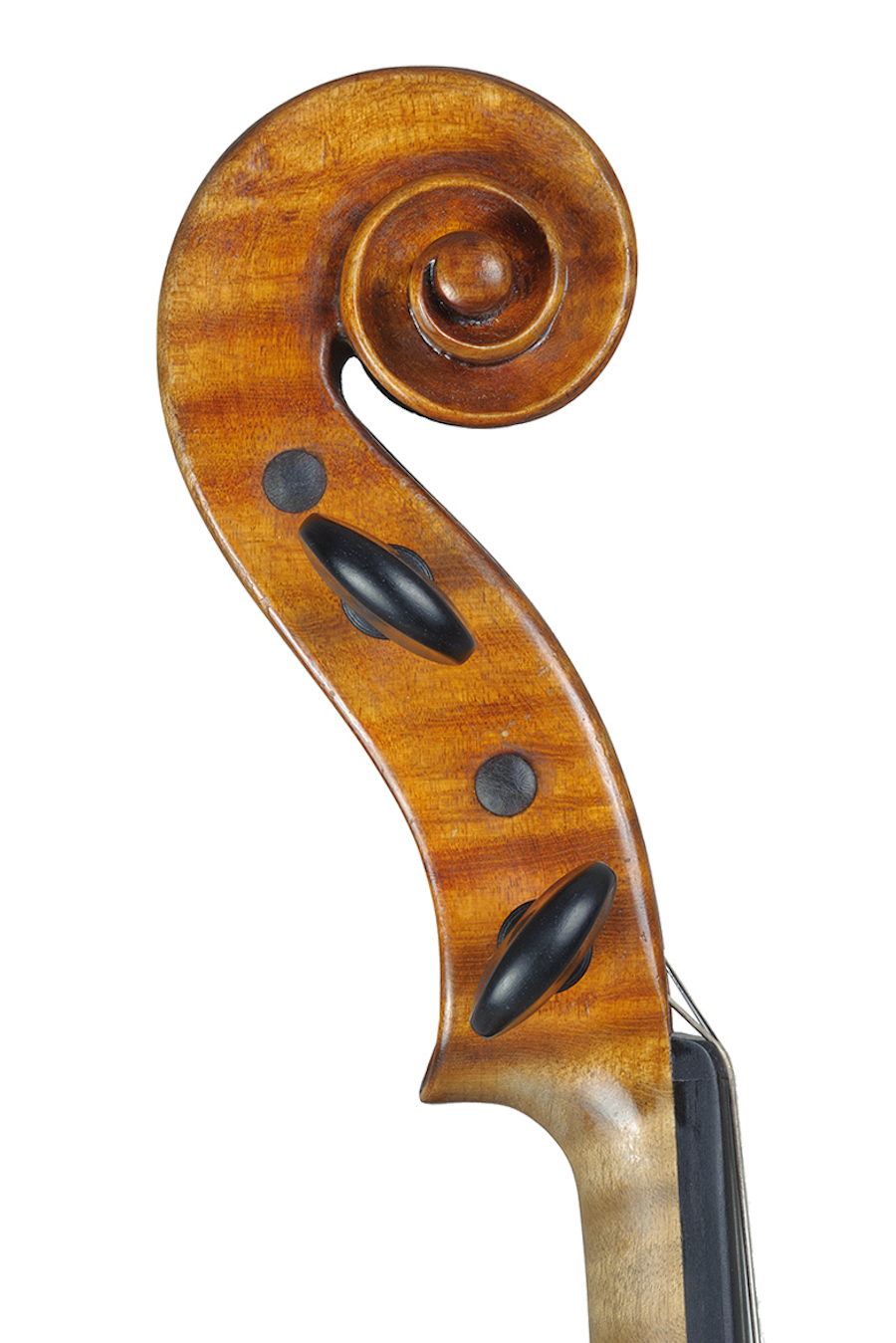
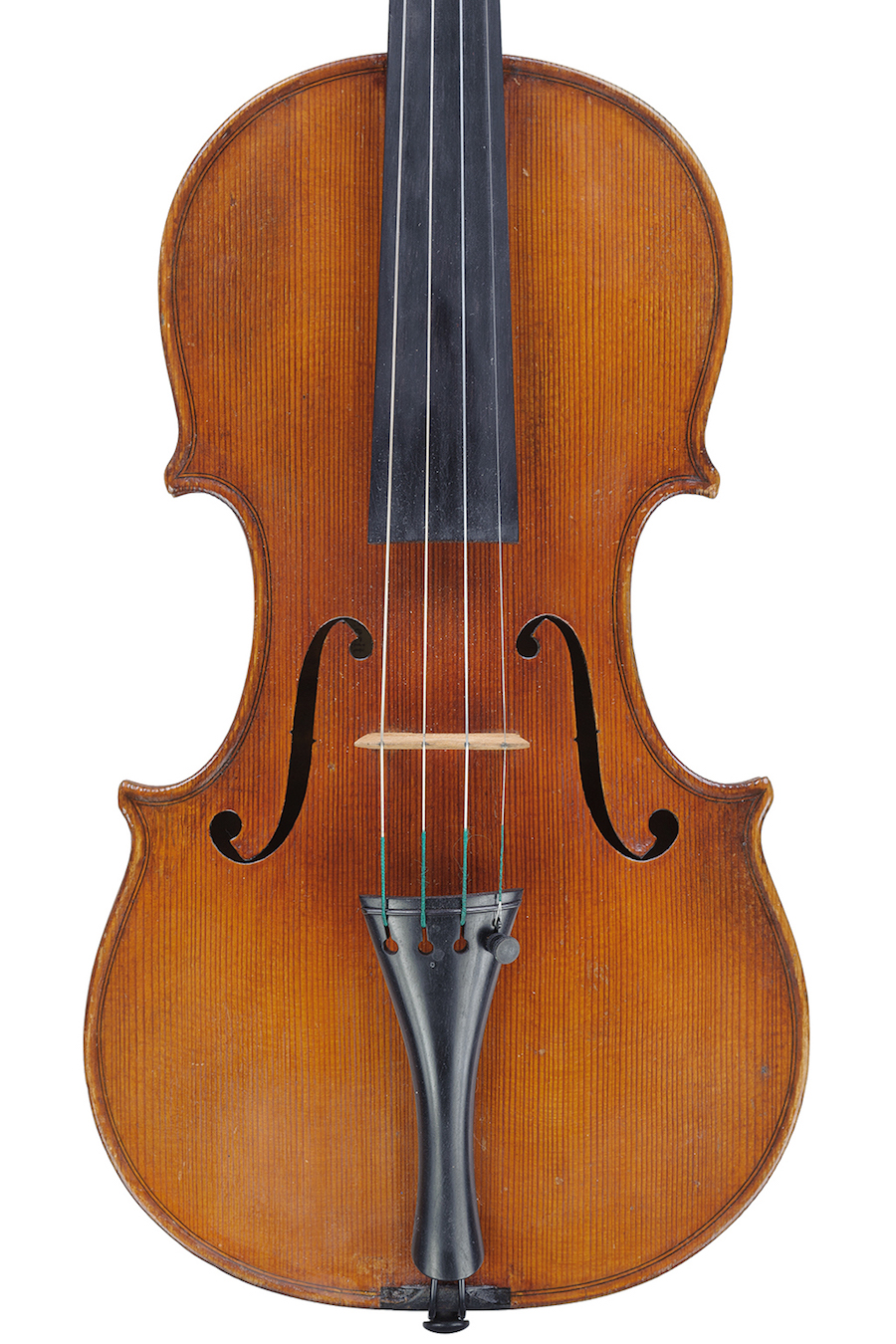
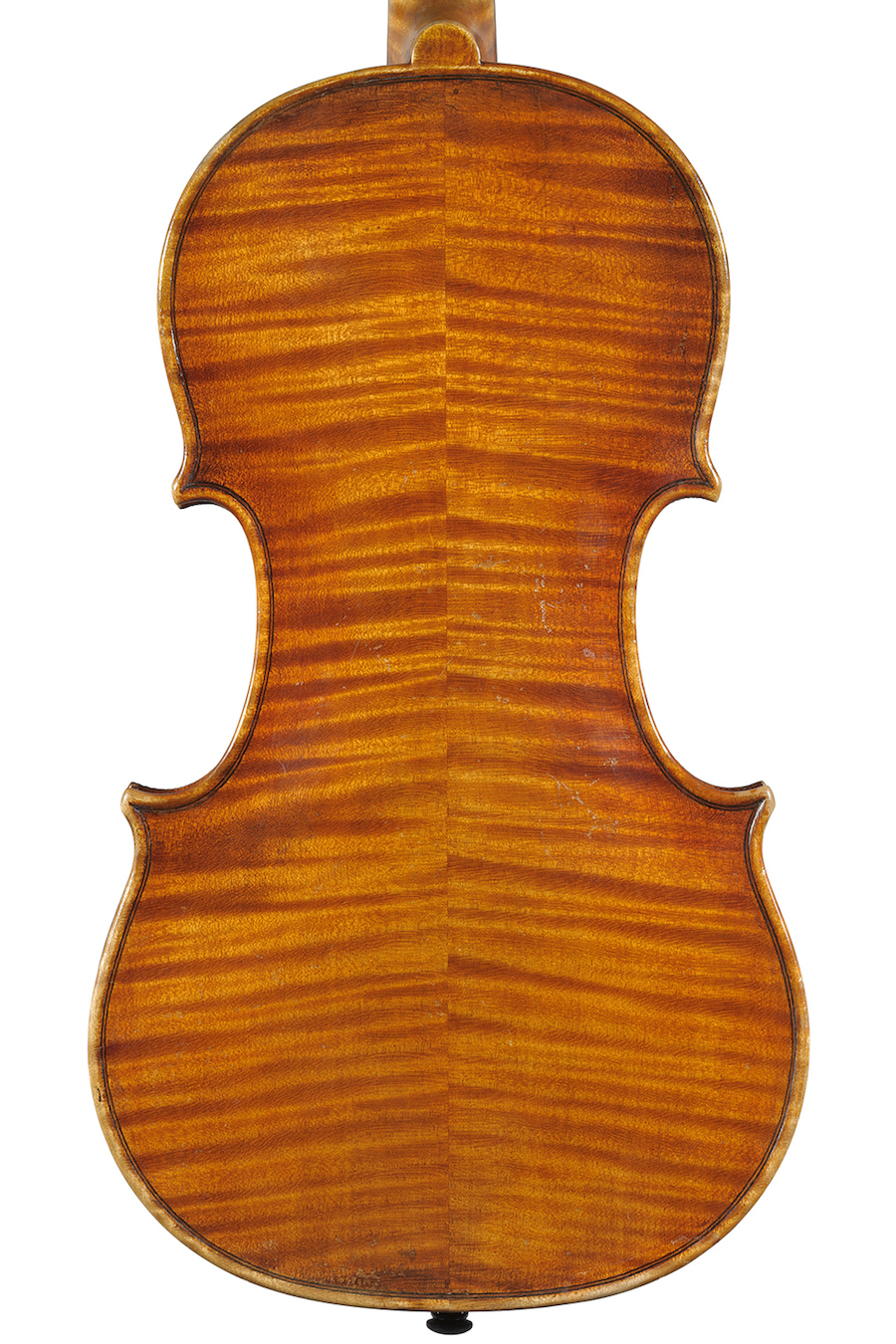
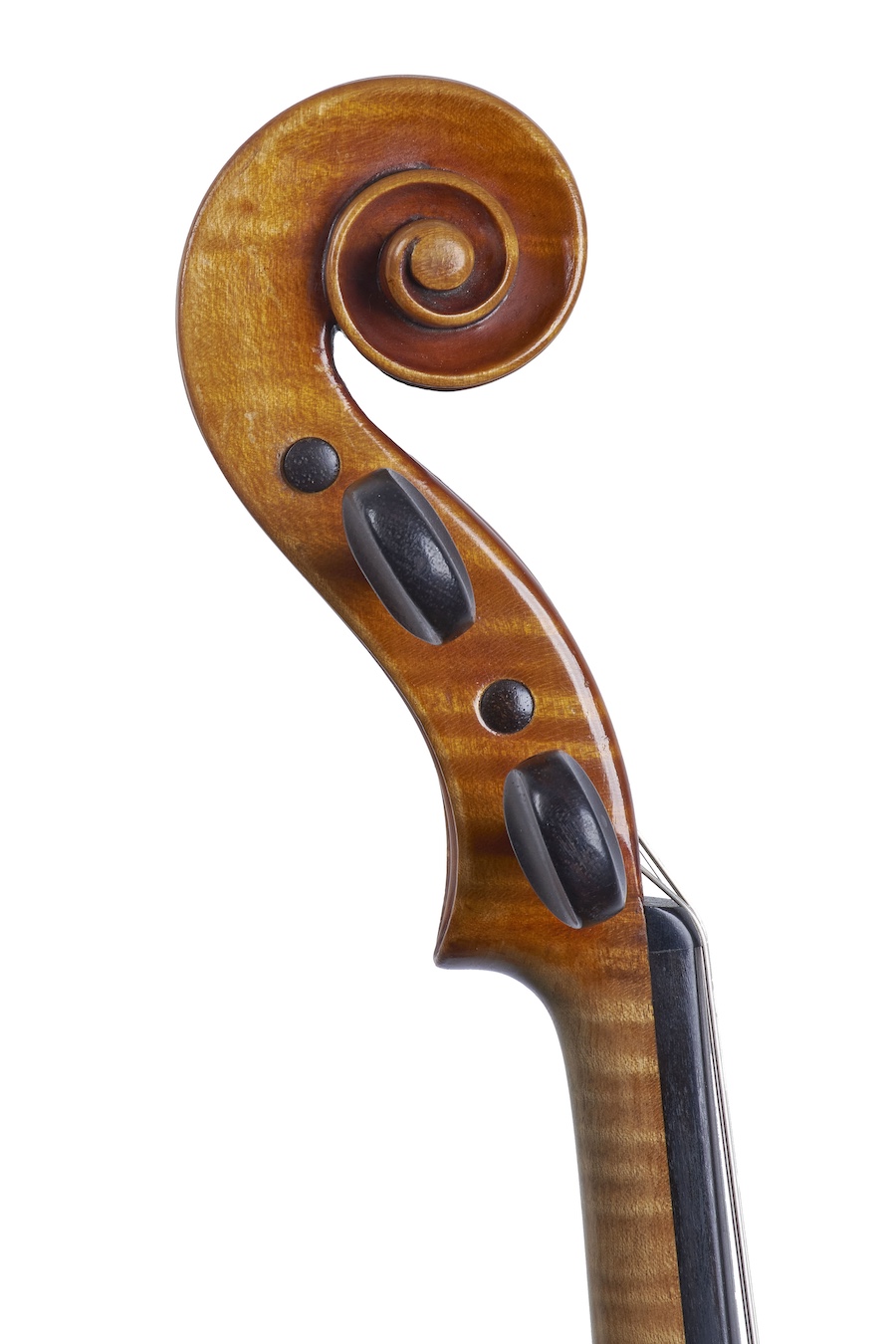
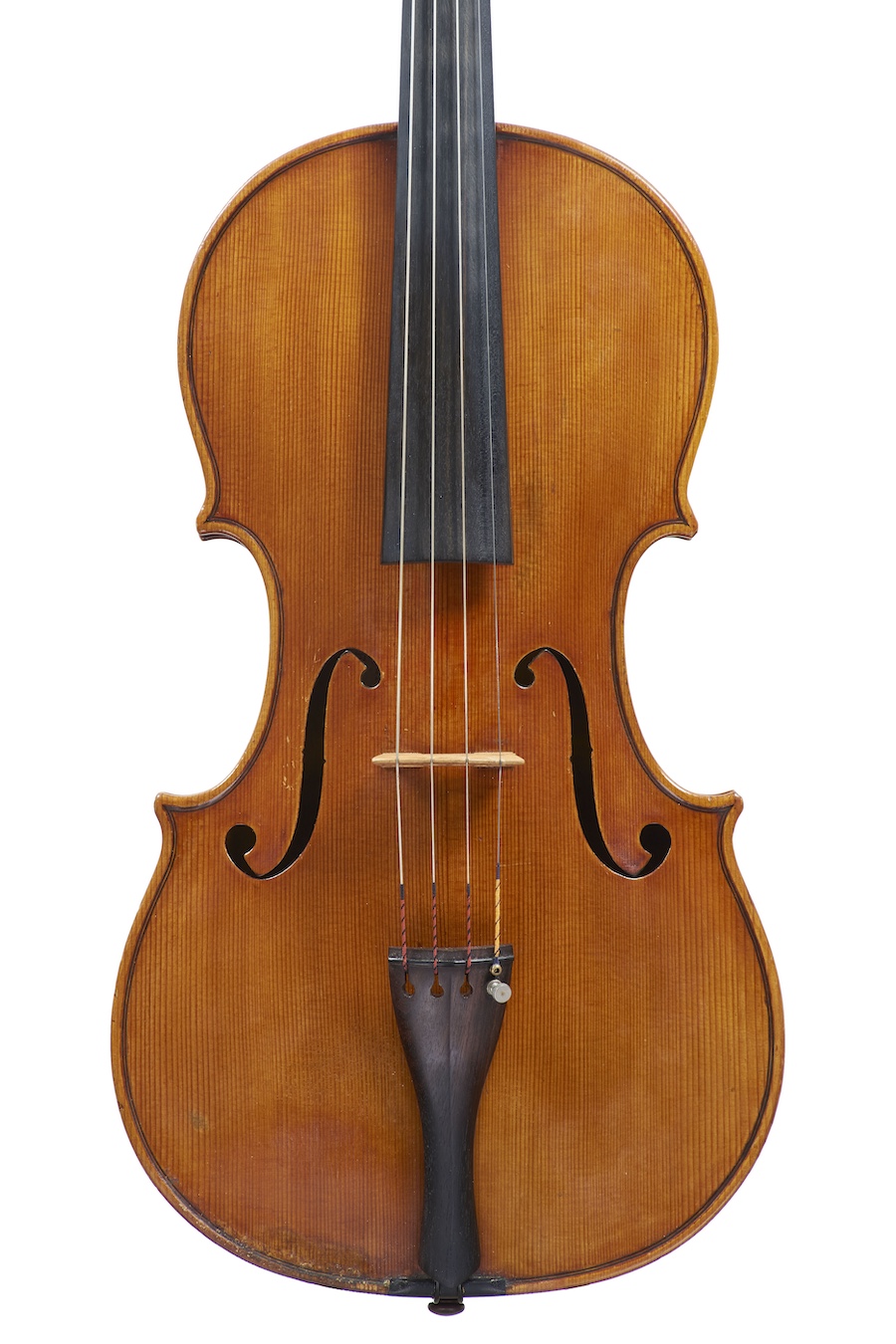
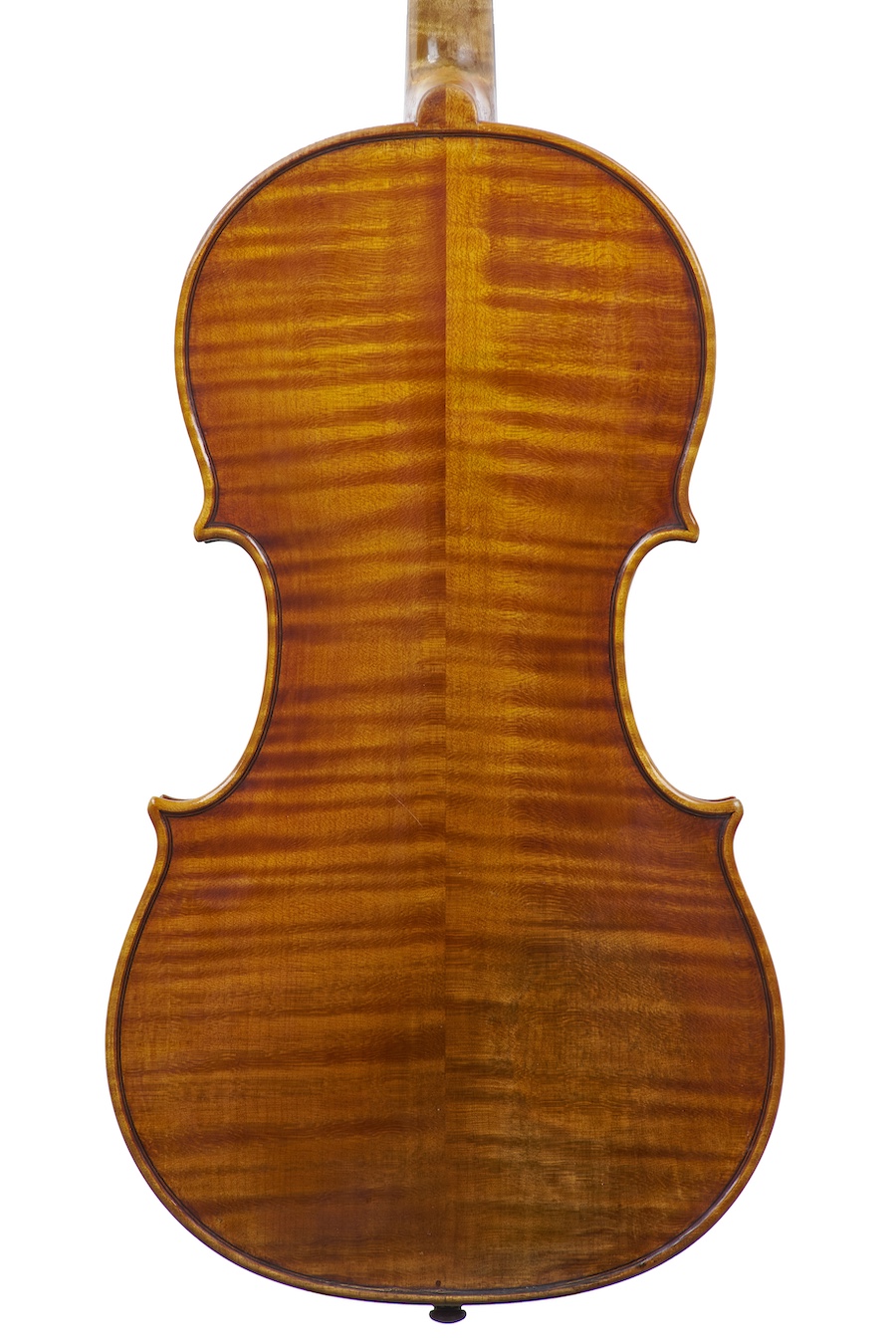
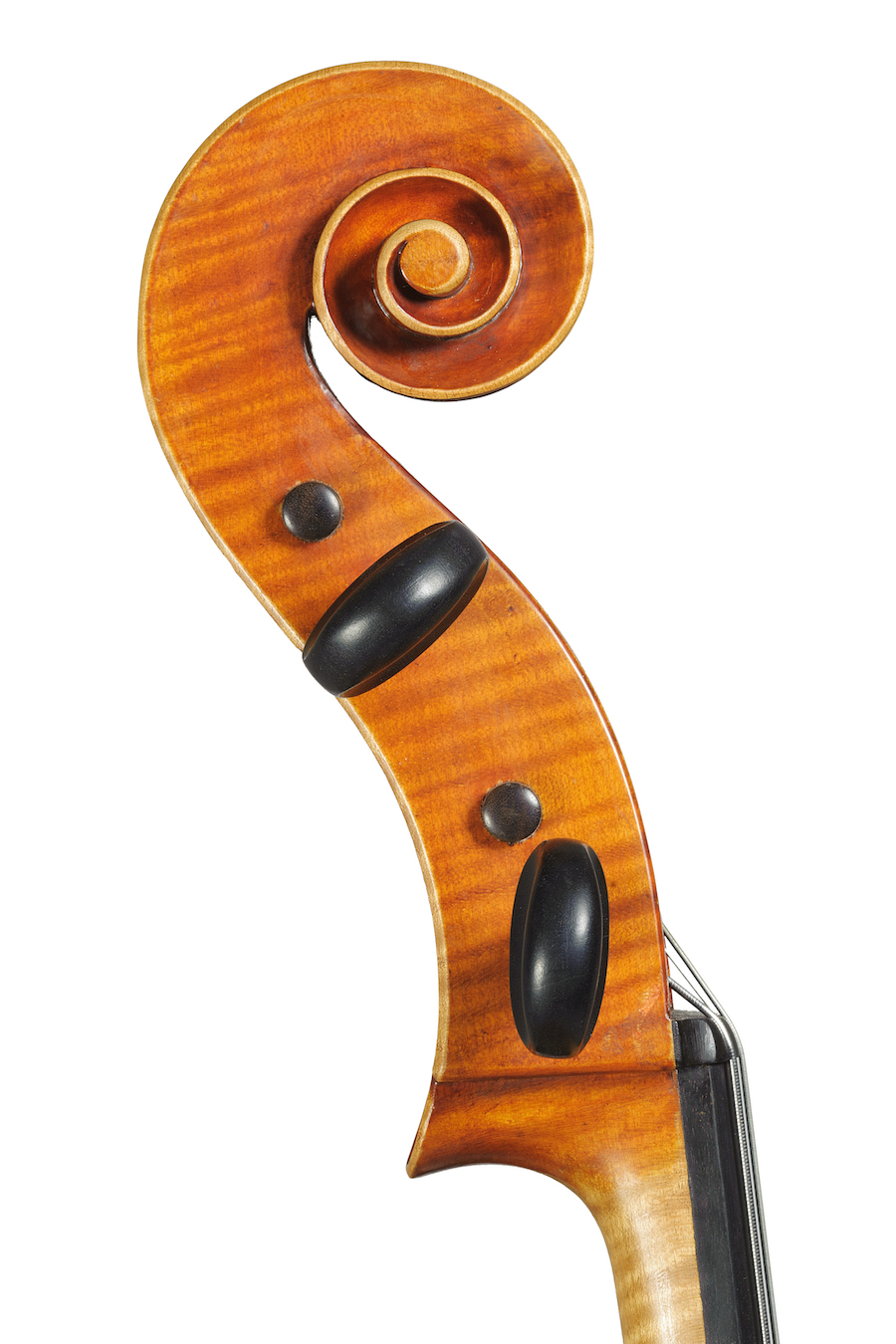
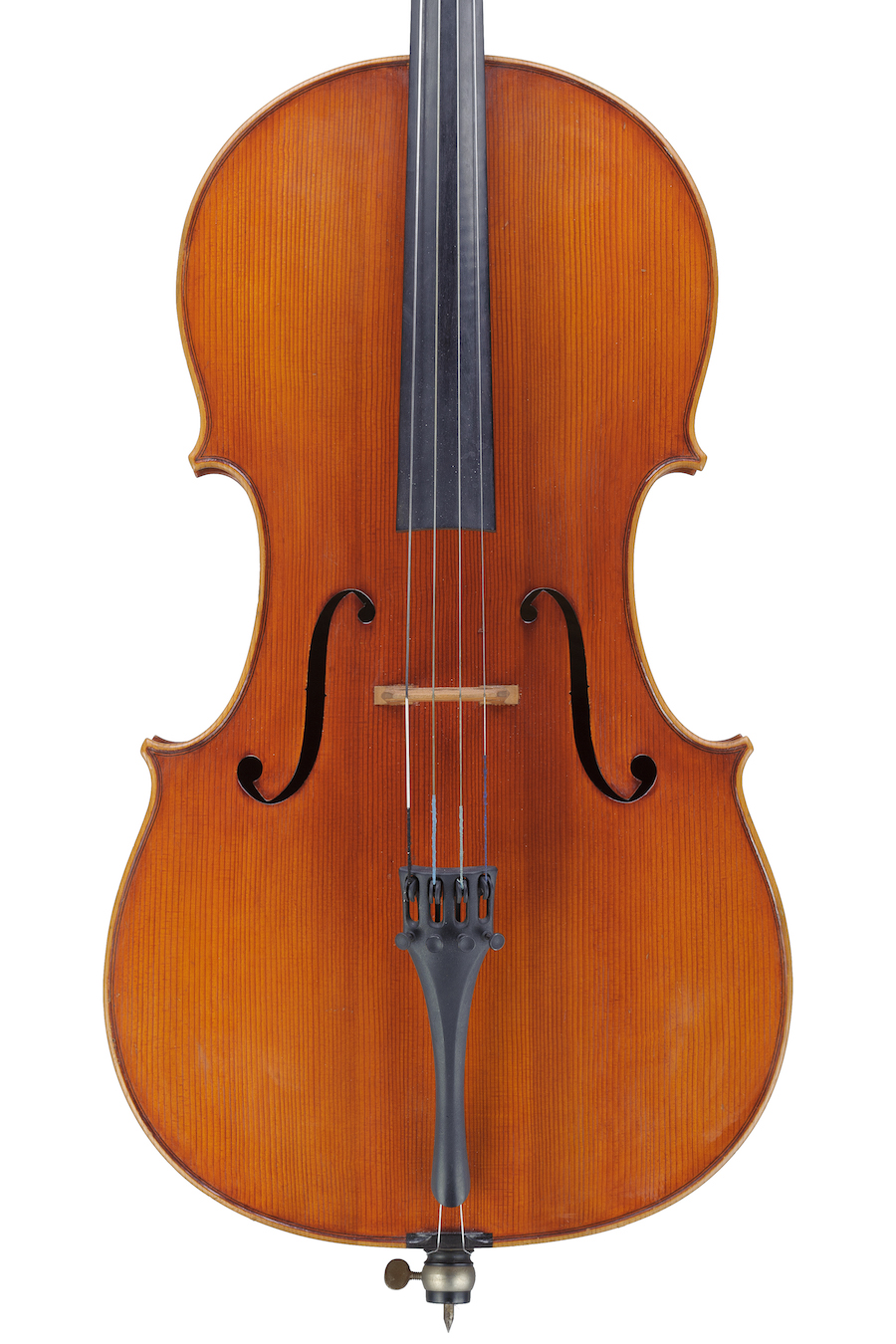
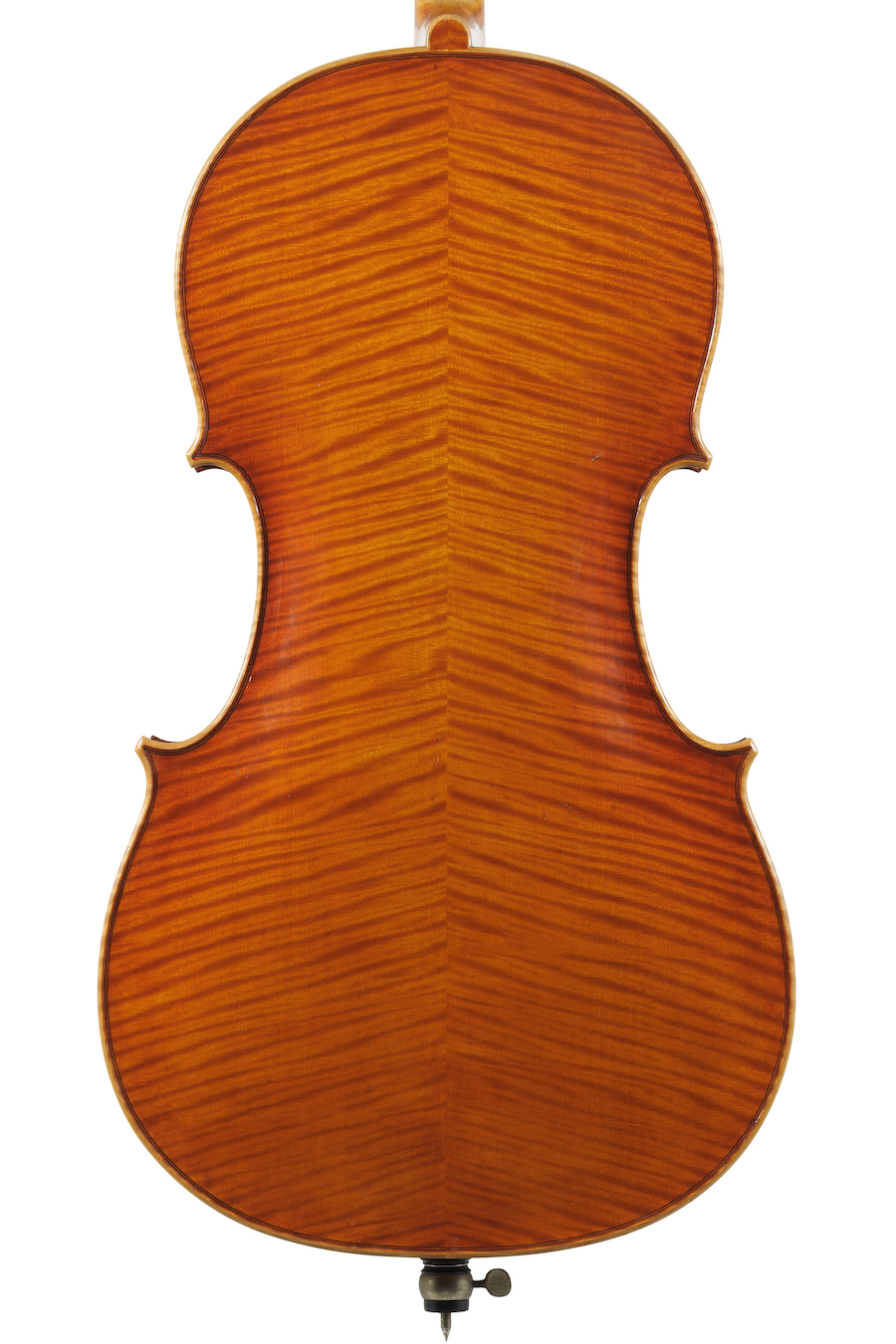
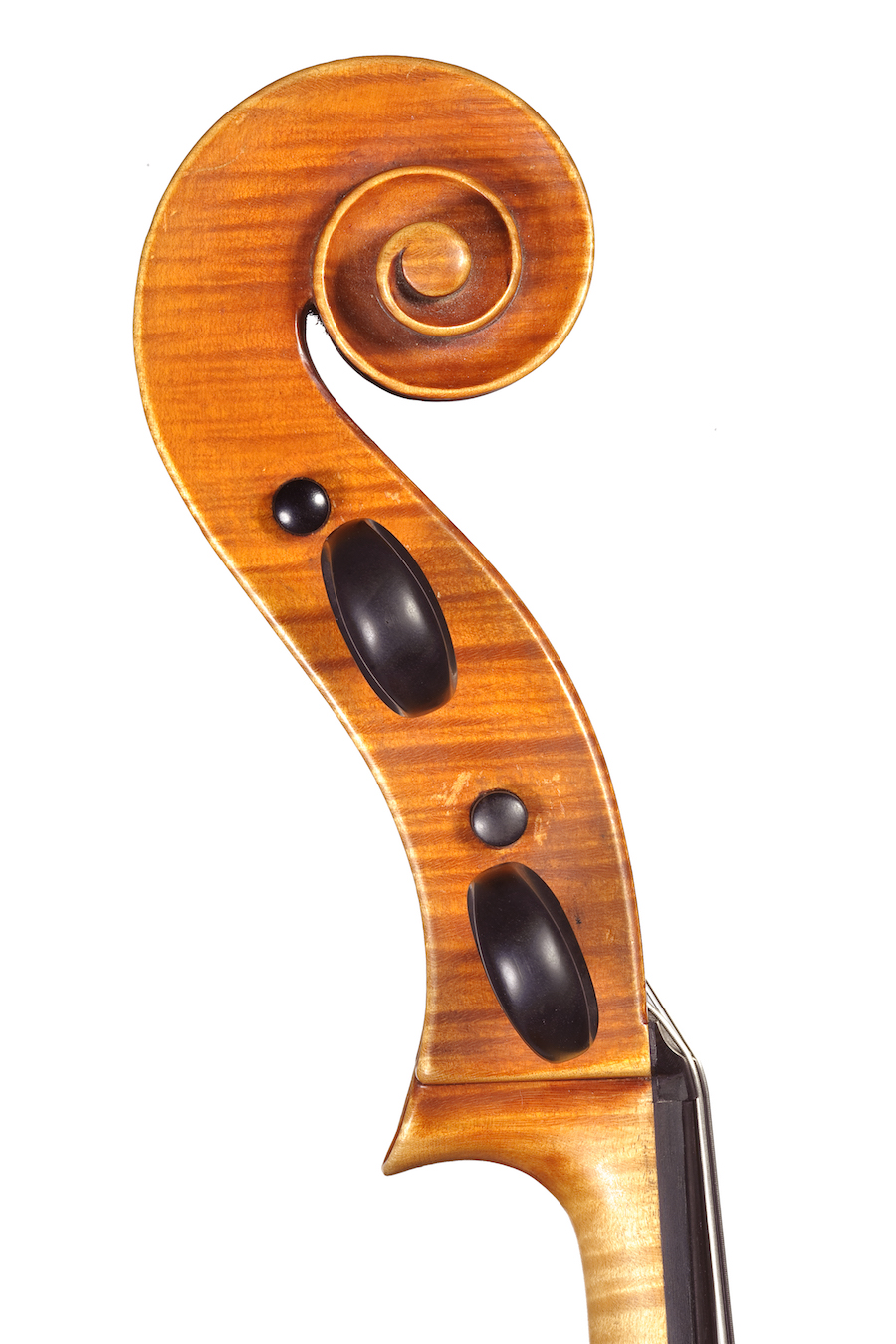
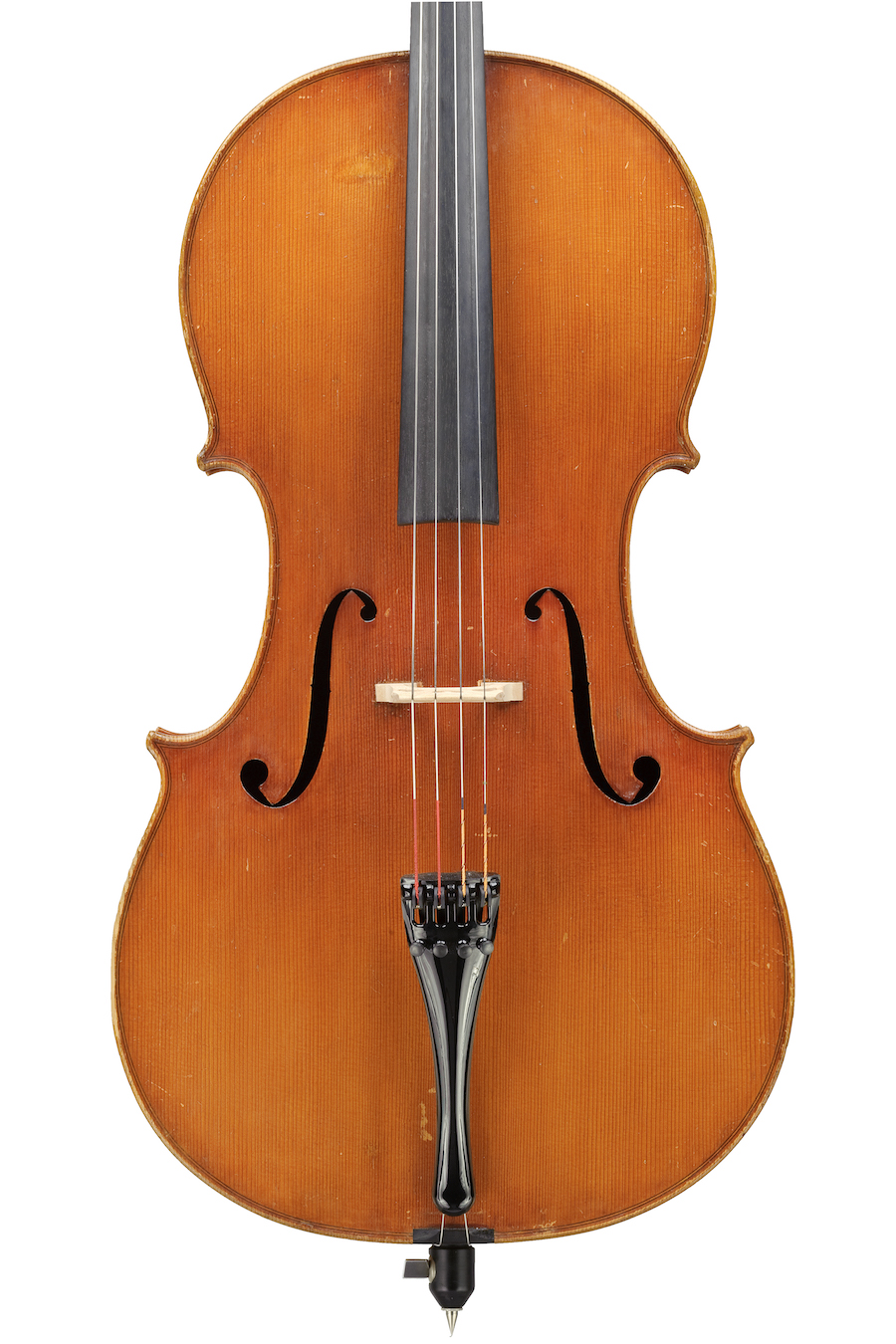
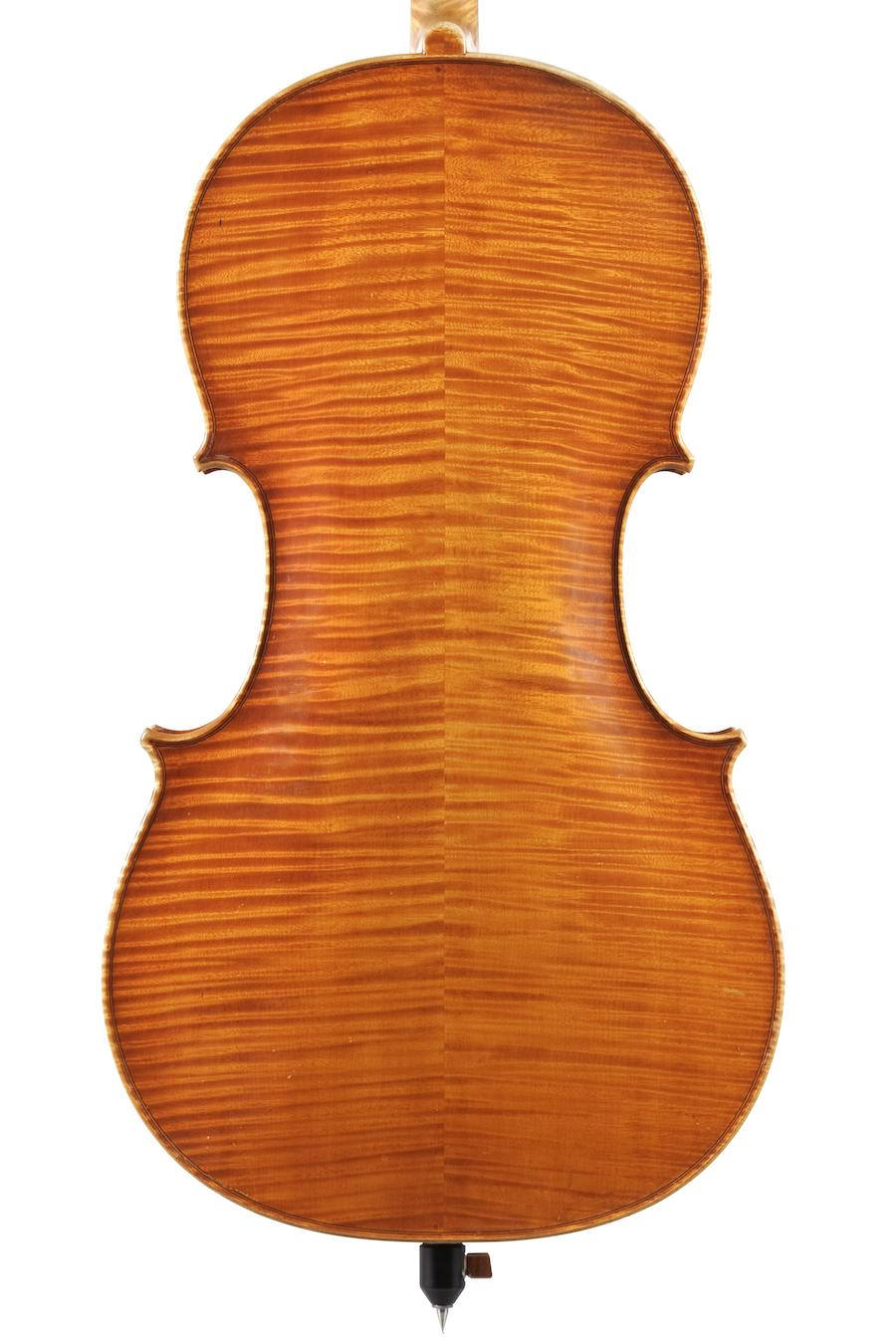
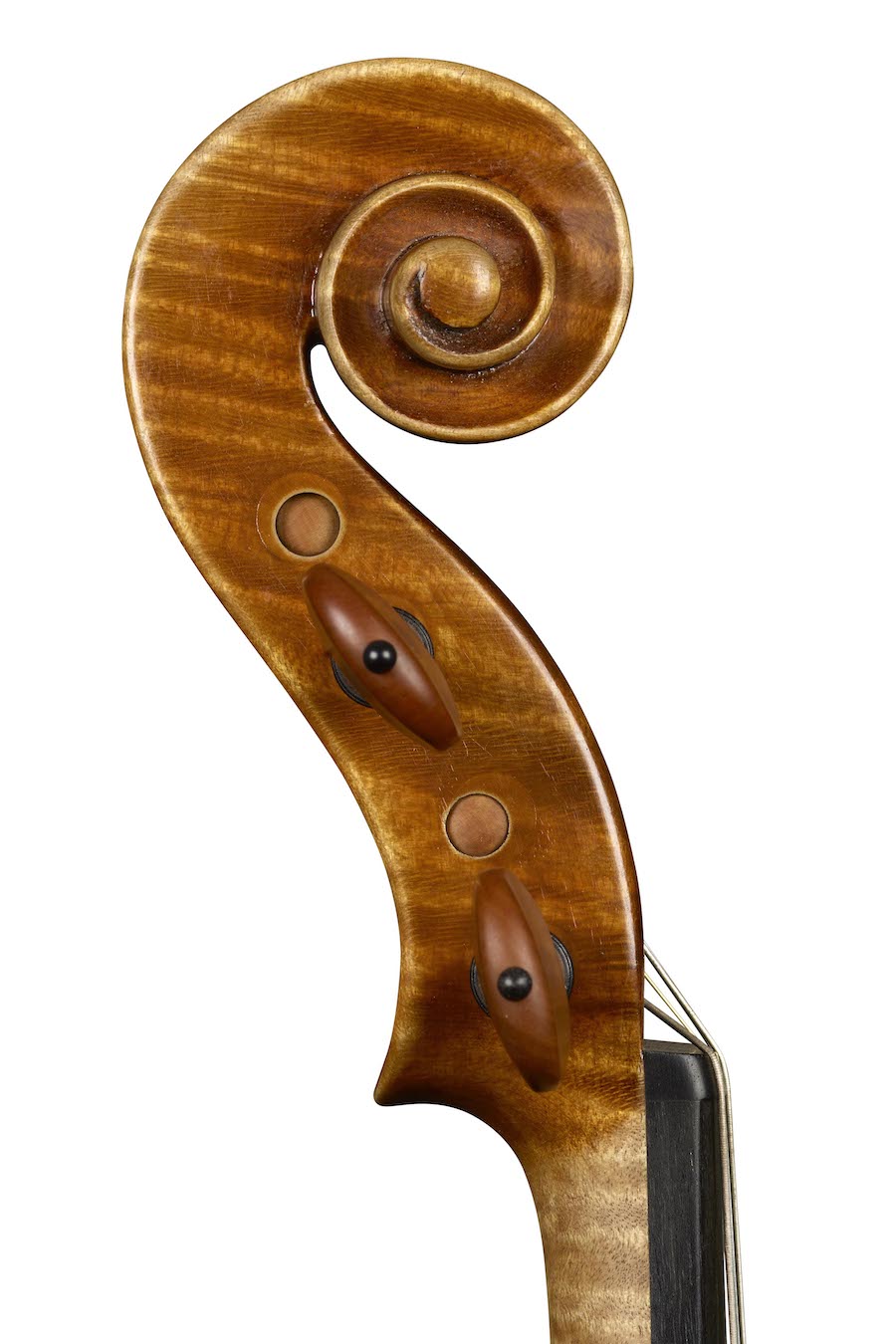
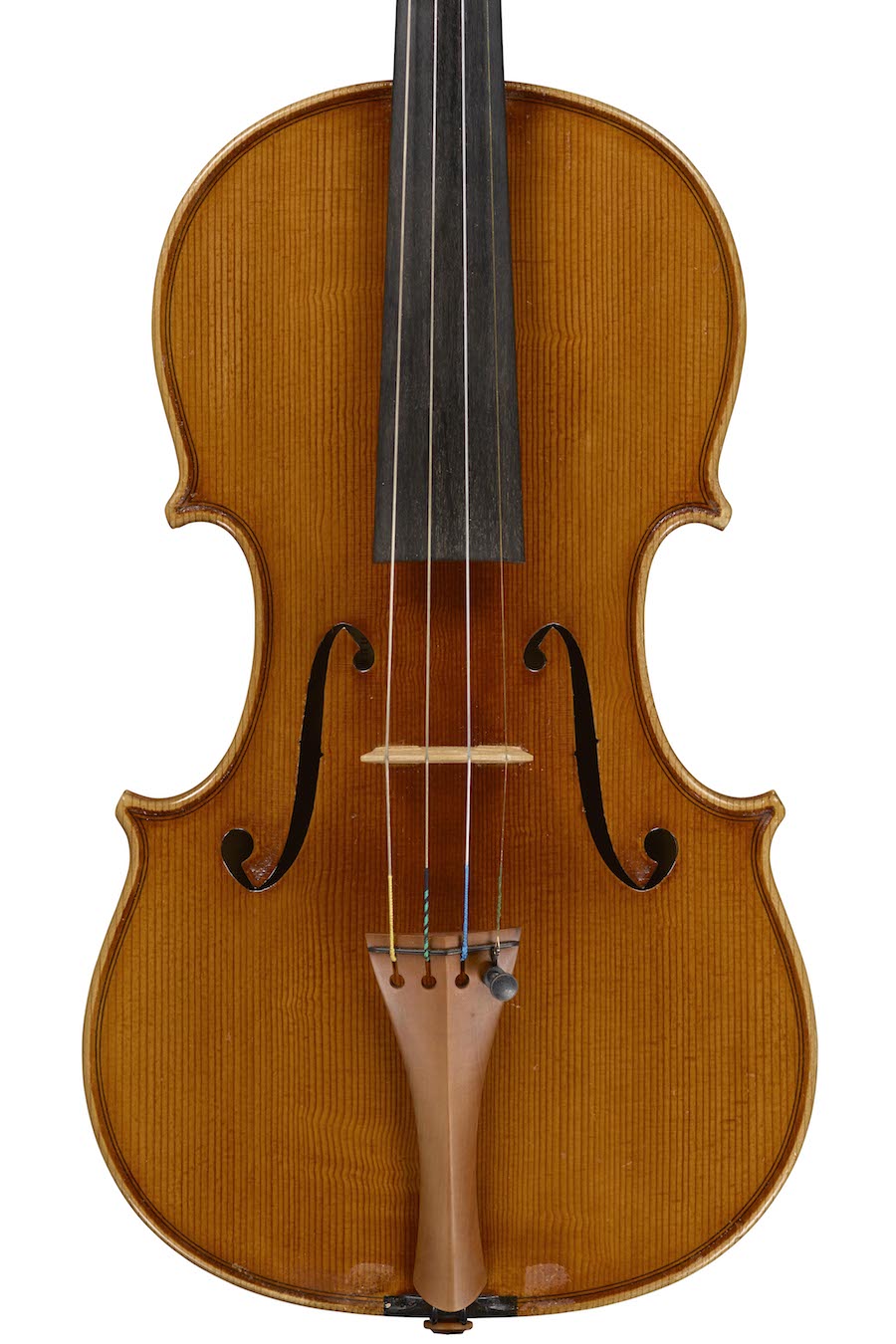
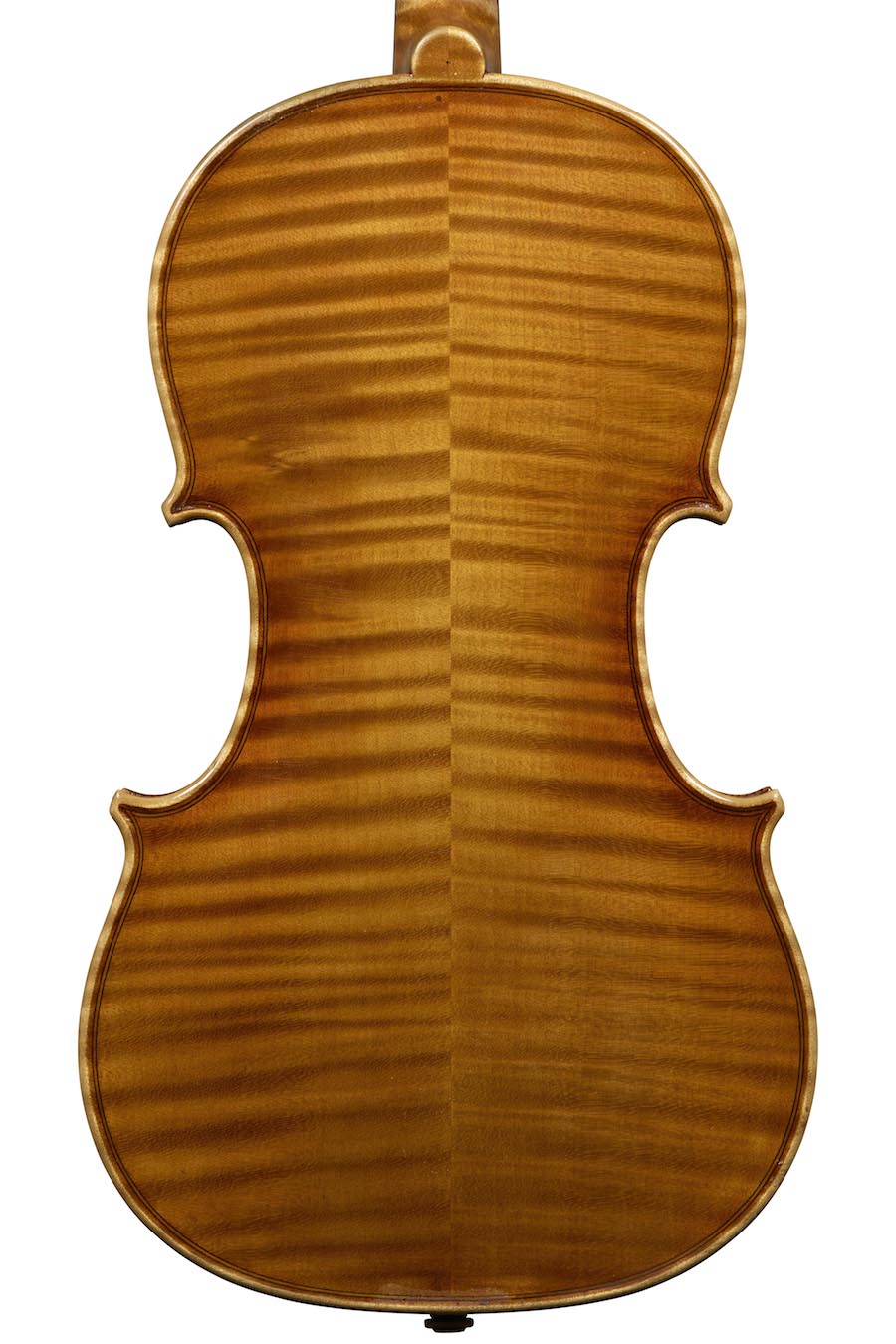
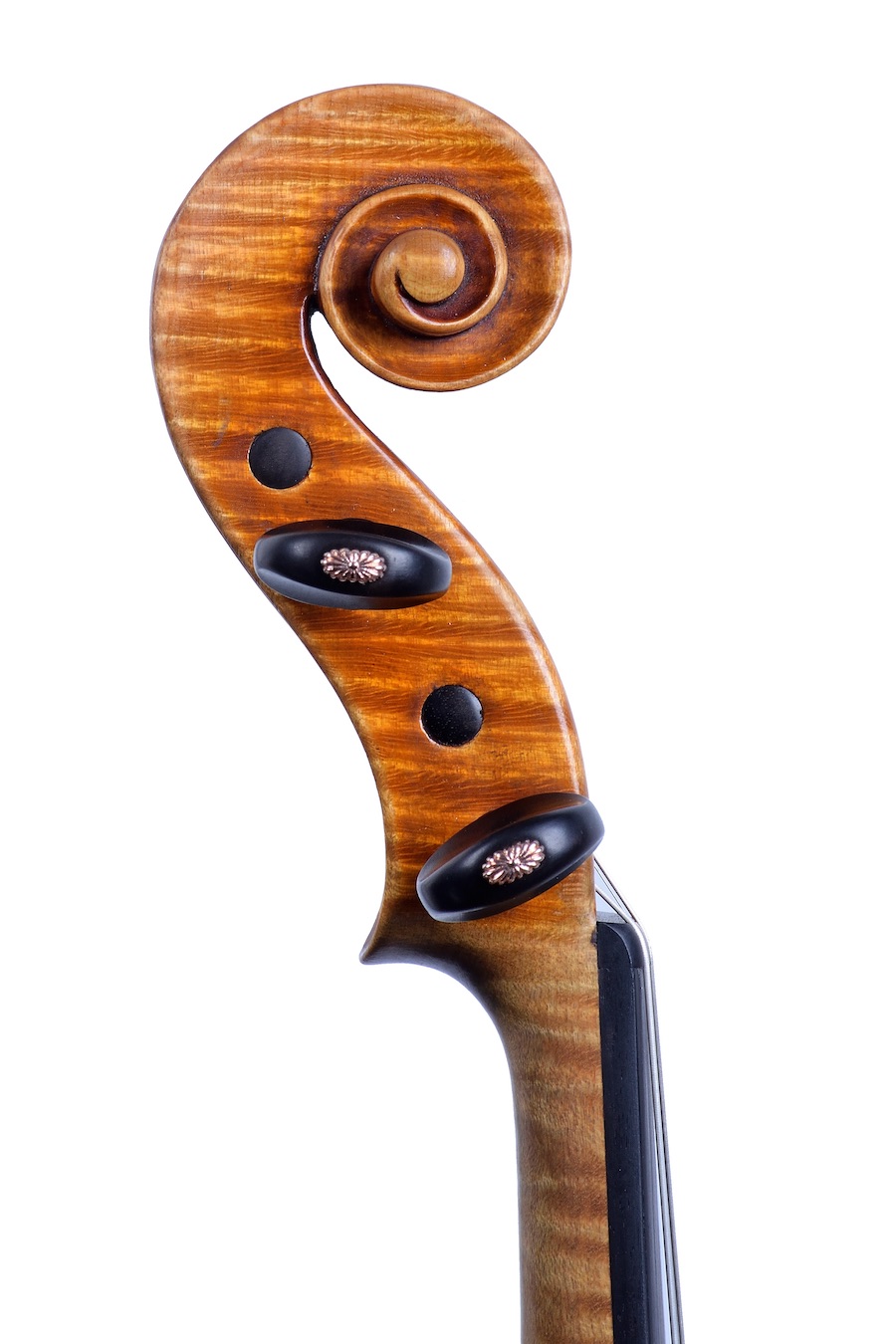
For his violins Capicchioni used personal models inspired by those of Antonio Stradivari and Guarneri del Gesù, the latter especially from his golden period until the end of his career, and personal models inspired by Stradivari for cellos and violas, which he also made according to the patterns developed by Lionel Tertis. In each case, his work is easily recognizable for very personal workmanship details, such as the prominent edge which he shaded to a lighter color, the narrow channeling and the scroll with a softened eye and chamfers. Capicchioni died in 1977 and his activity was continued by his son Mario.