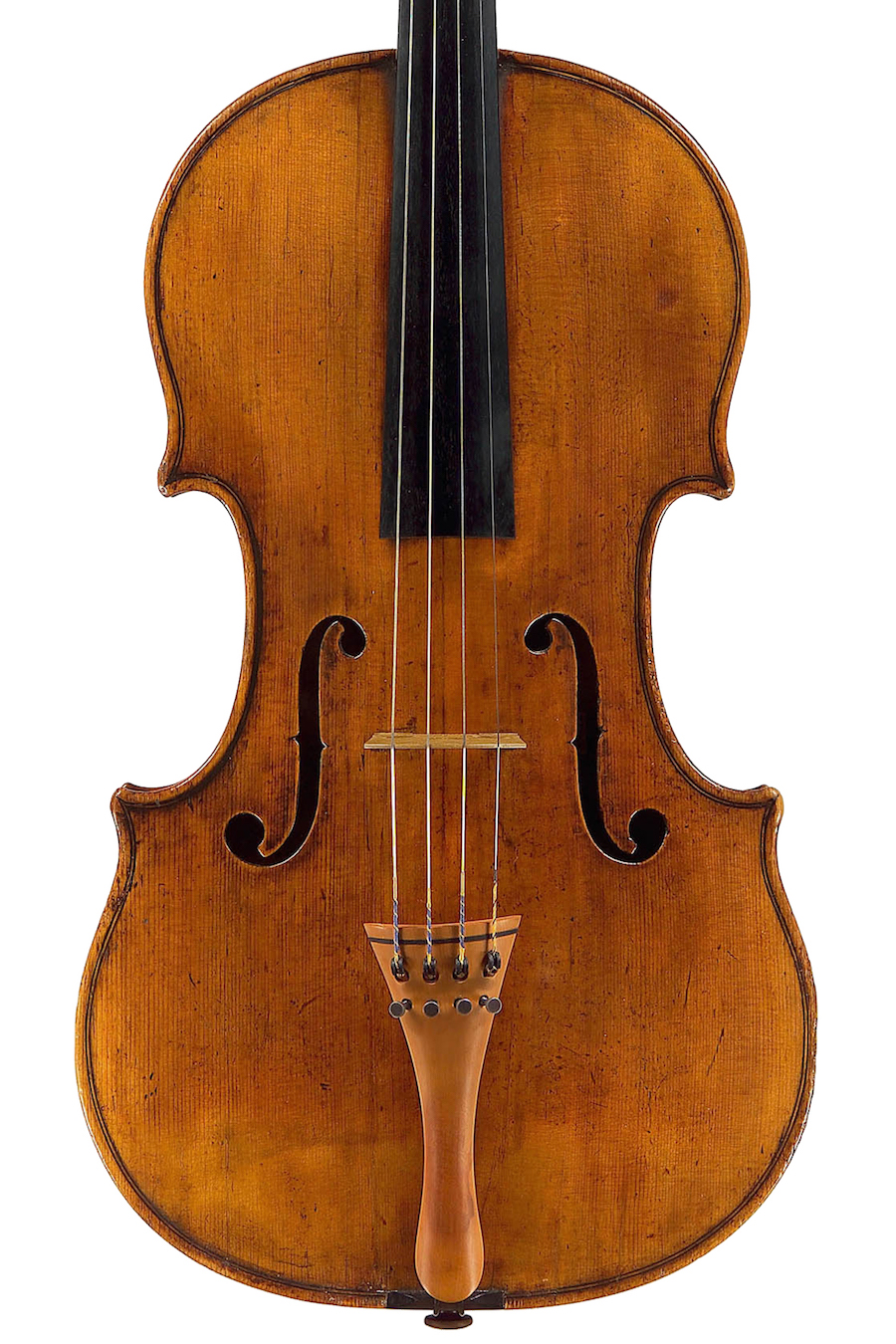
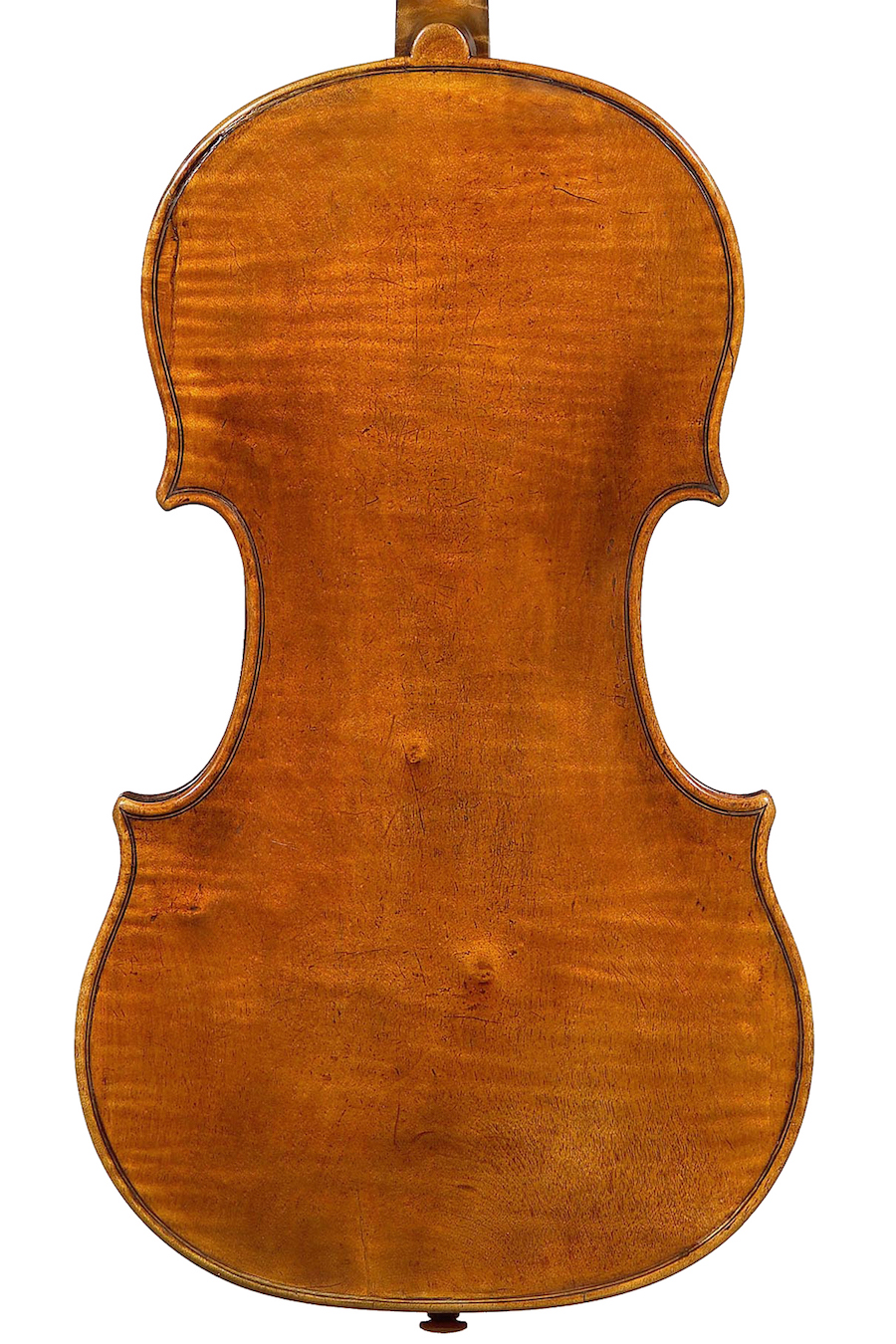
Born in 1596 from the marriage of Girolamo Amati with his second wife Laura Medici Lazzarini, Nicolò is undoubtedly to be counted amongst the luthiers whose historical role was most significant.
Nicolò Amati survived the plague of 1630 which killed, in addition to his father Girolamo, also Giovanni Paolo Maggini, the leading contemporary luthier from Brescia whose death caused a temporary void in the main tradition competing with Cremona. Additionally, Nicolò played a fundamental role in the training of the next generation of violin makers, from Cremona and beyond: from his main assistant Andrea Guarneri to Giacomo Gennaro, from Giovanni Battista Rogeri, who then moved to Brescia, to Bartolomeo Cristofori who settled in Florence, from Bartolomeo Pasta (who went to Milan) to several apprentices from German-speaking countries. In addition to these, Nicolò Amati also had a strong influence on the members of the Rugeri family, Jacobus Stainer and Antonio Stradivari, both for the outstanding quality of his work and for having developed a new model of more generous proportions which is known today as his "Grand Pattern" - a model which will become the basis for many future developments.
In this way, his workshop soon acquired a European acknowledgement and later influenced many violin makers up to the present day, with its models and style of unrivaled elegance.