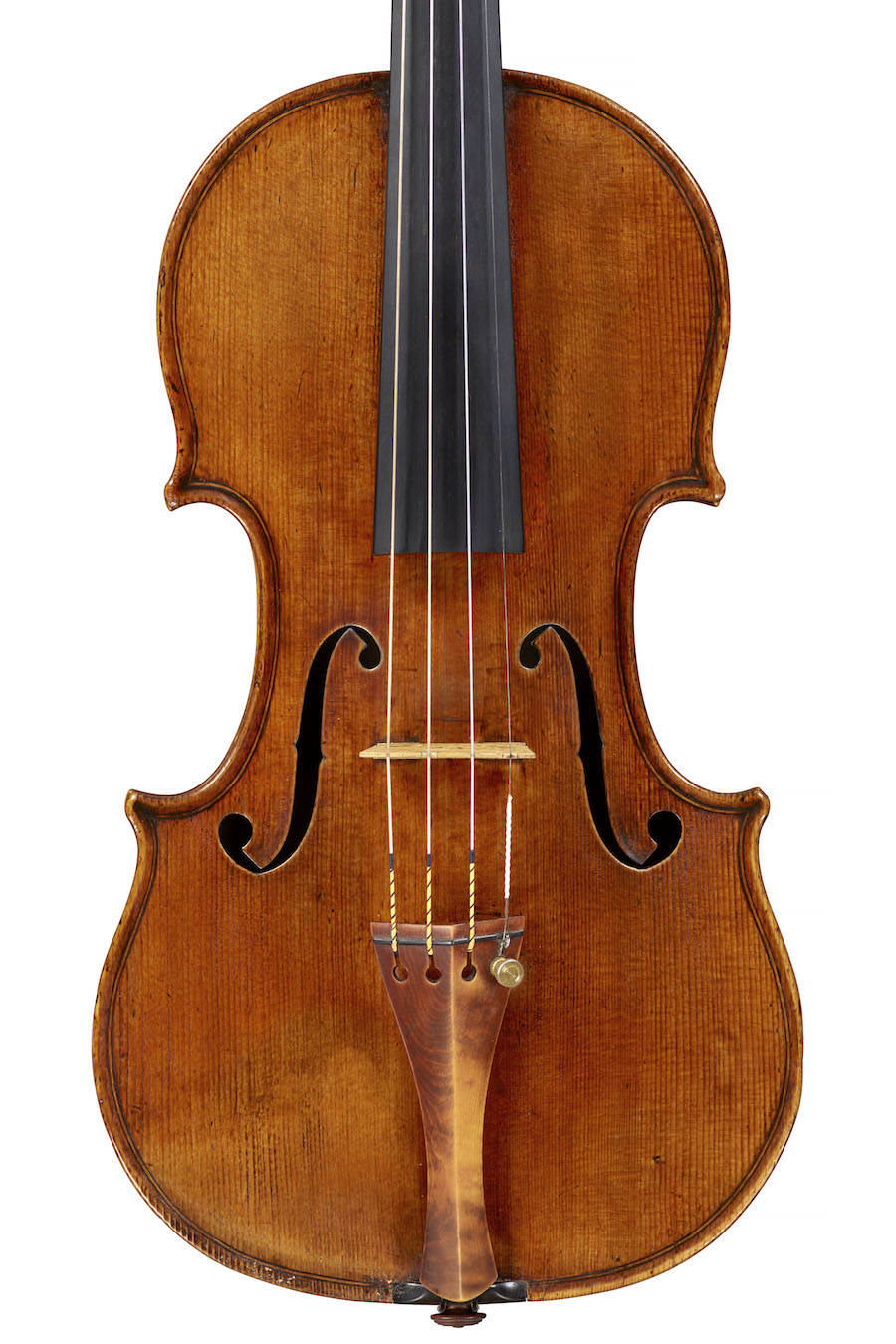
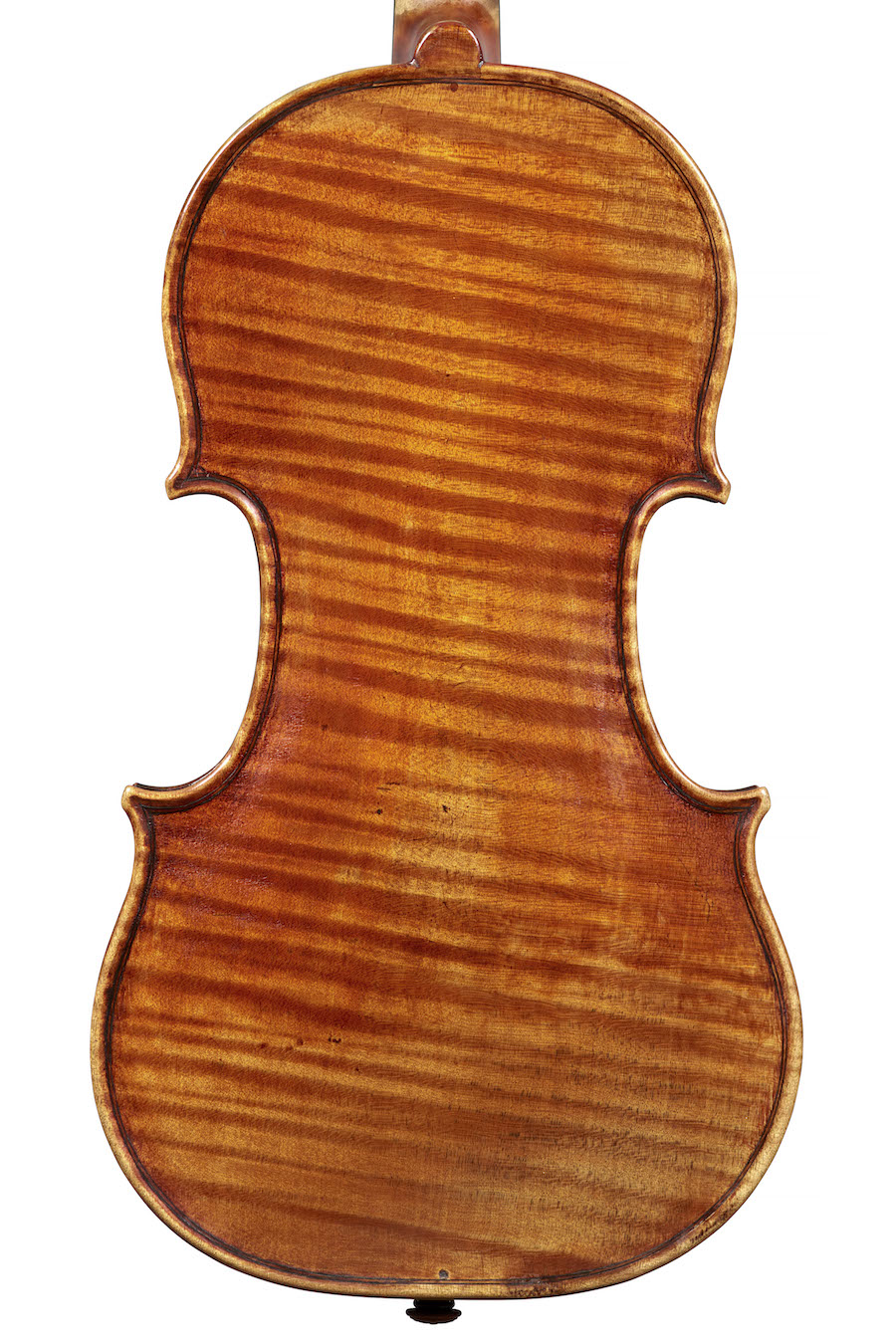
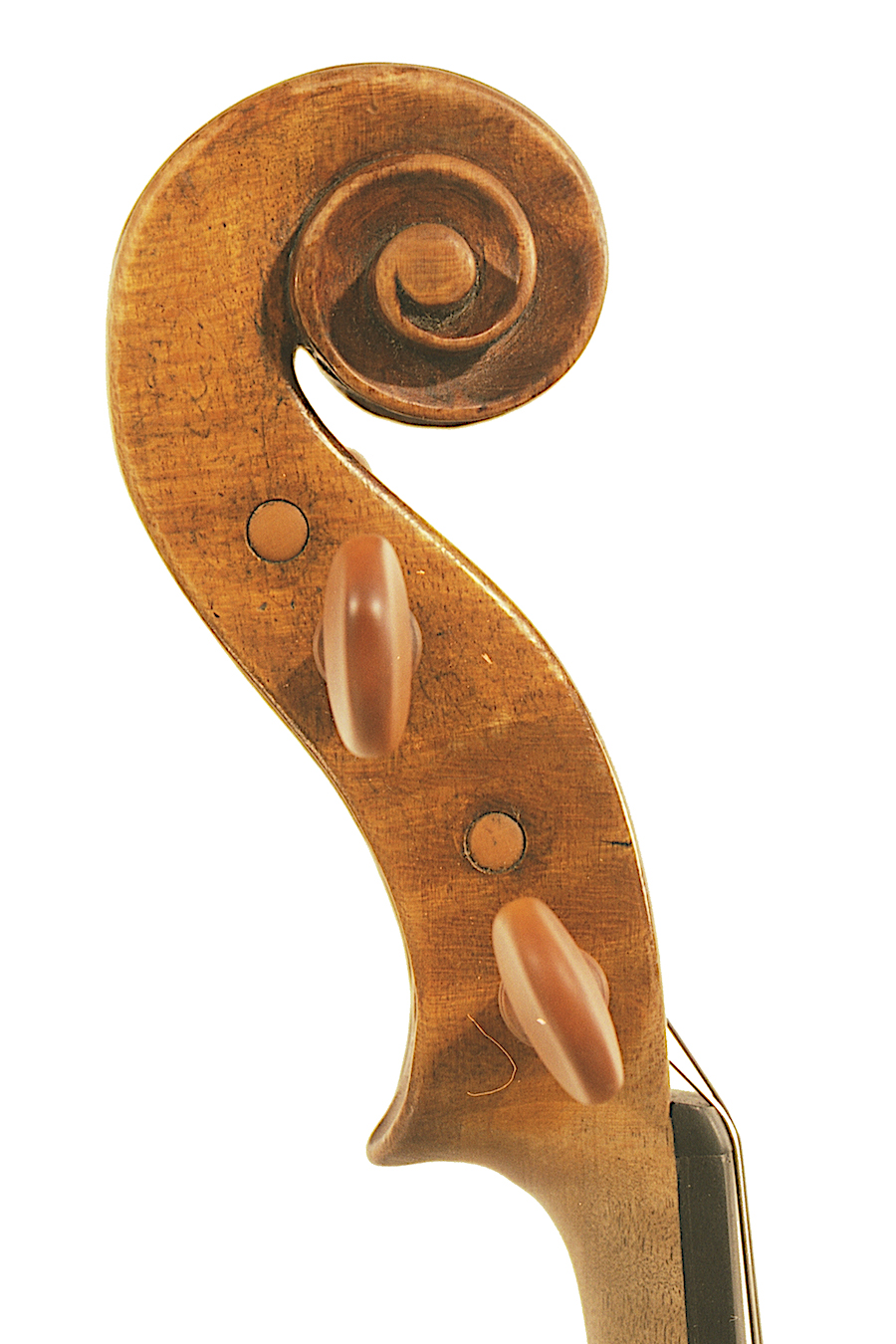
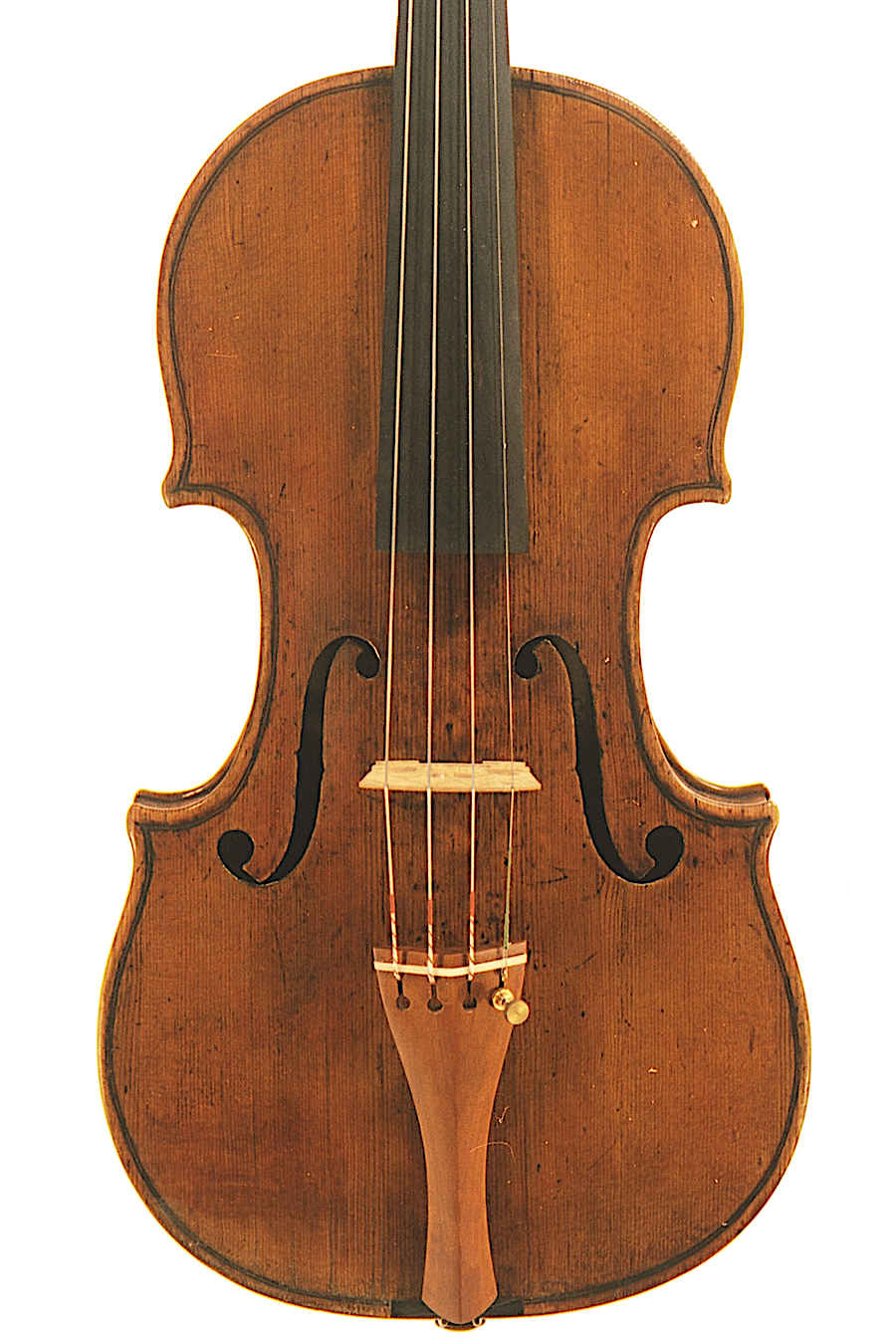
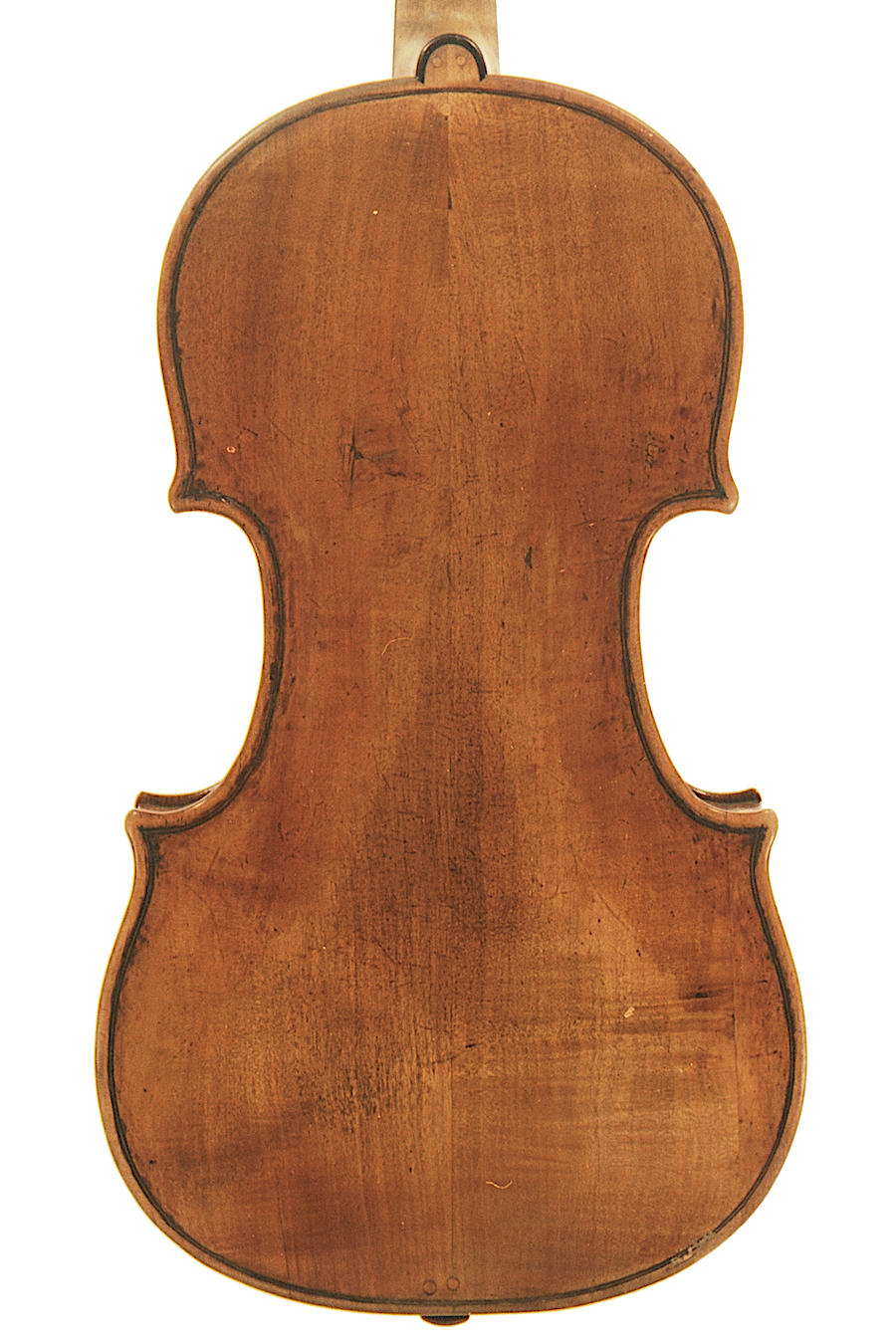
Born in Cremona in 1683, Carlo Bergonzi can be considered the last great master of the 18th century Cremonese violin making, but at the same time he is an elusive character both from a biographical point of view and because of the rarity of his instruments.
Traditionally considered a pupil of Giuseppe Guarneri (I), recent research has evidenced his closeness to the Rugeri family, both for probable connections that emerged from archival research and because of elements in his style and technique that connect him to the members of this family. It would therefore have been through the knowledge of Vincenzo Rugeri that Bergonzi would have taken the first steps in his profession.
An independent luthier from the 1720s, Bergonzi made some of his best instruments during the following decade, later being also assisted by his son Michelangelo. In 1746, after the death of Francesco and Omobono, heirs of Antonio Stradivari, Bergonzi was called to continue the activity of the great Cremonese master, whose workshop still contained a large number of instruments he had left unfinished. However, he could not carry out this task for very long, since he died the following year.
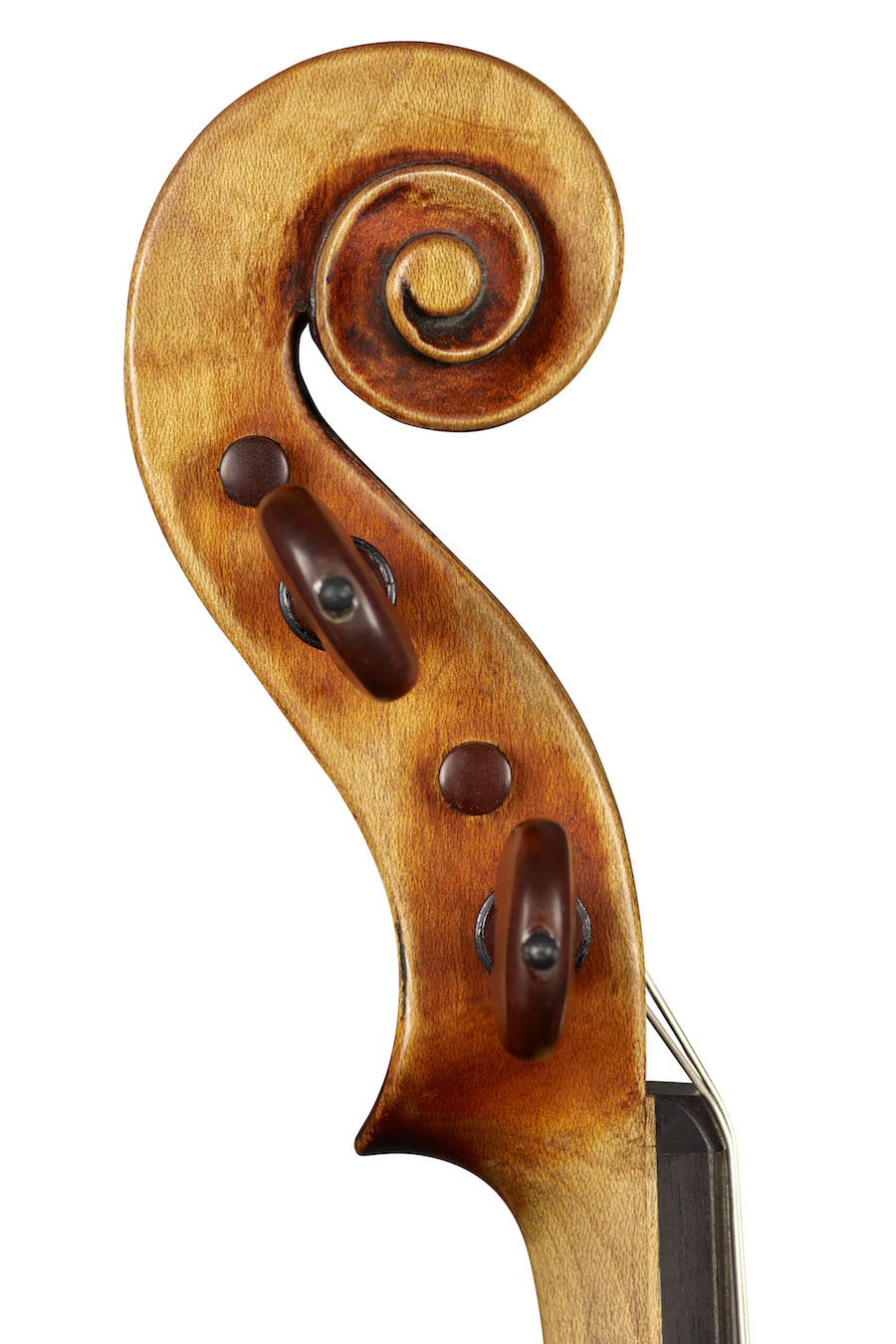
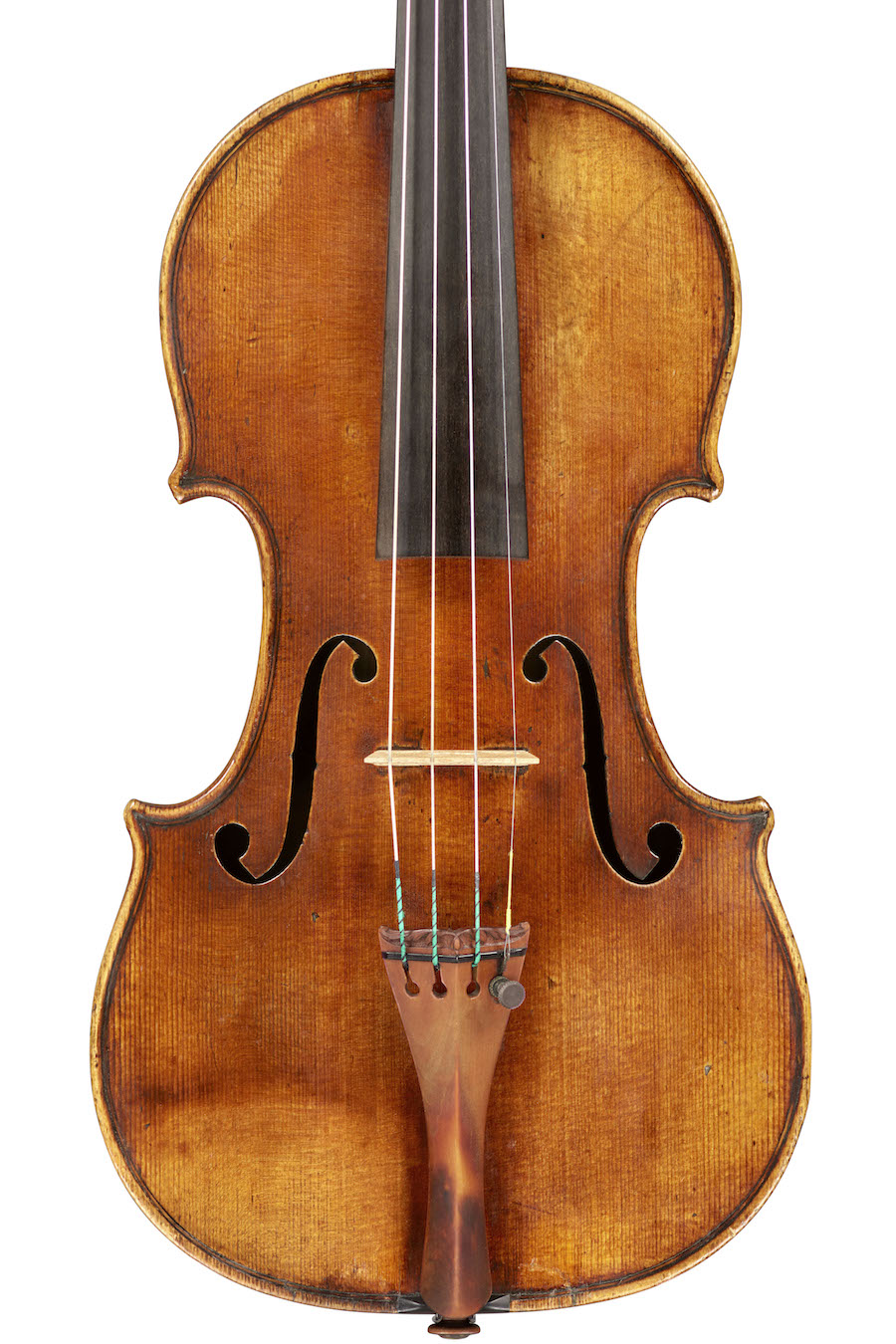
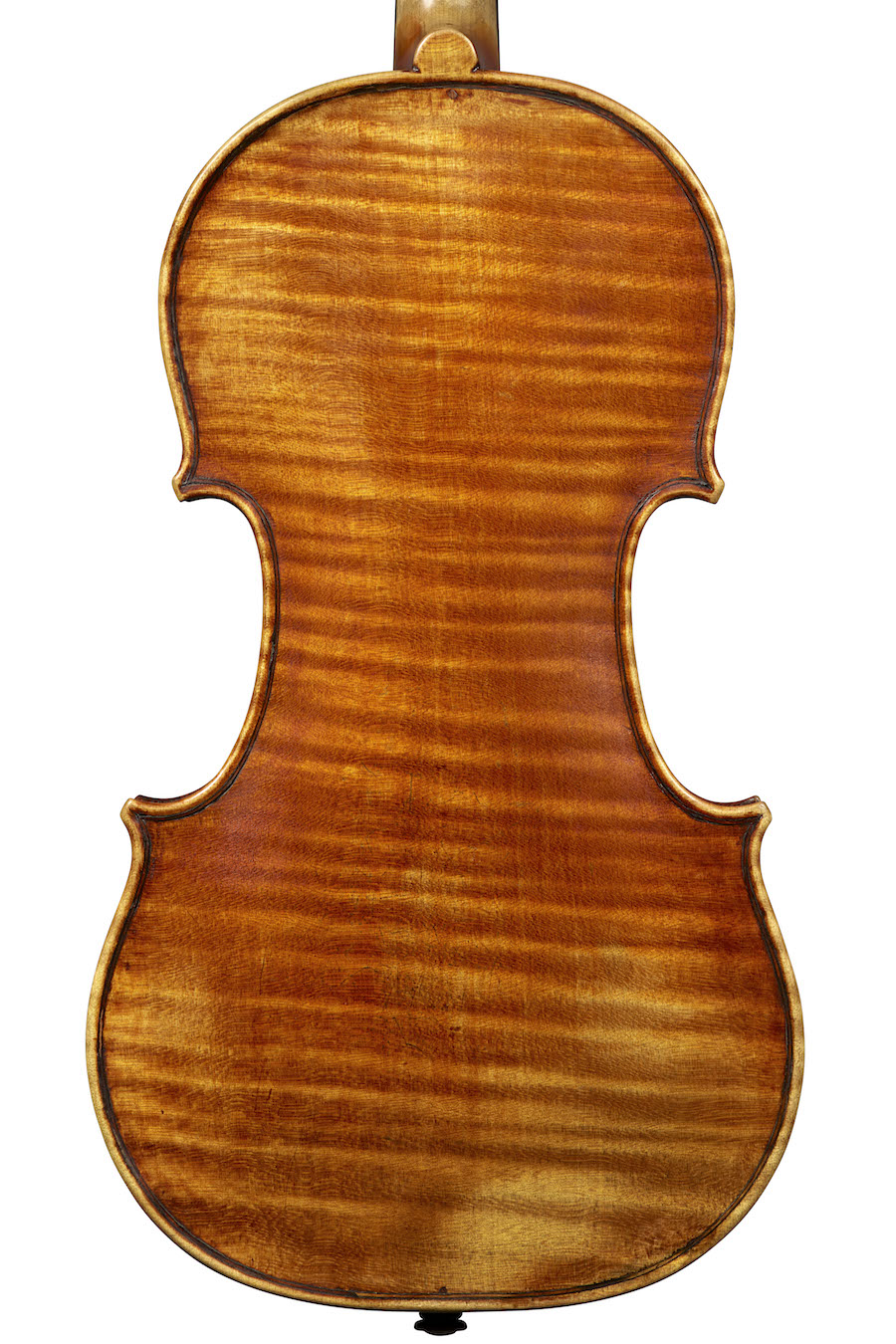
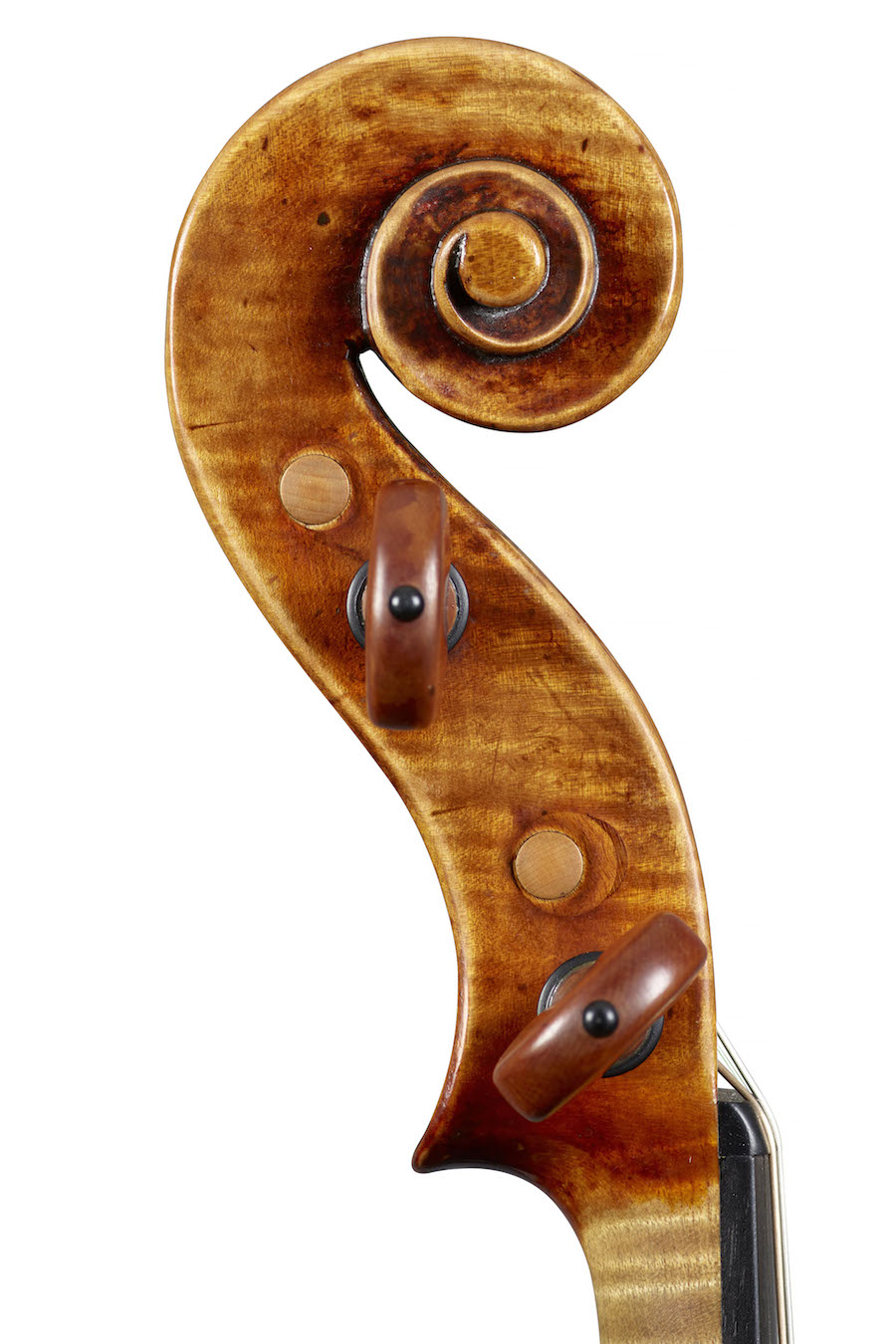
The very rare instruments by Carlo Bergonzi, which probably do not exceed 50 examples, are extremely refined from the point of view of their workmanship, the fine varnish that covers them and their sound. The ability of this violin maker to affirm his own style and develop his own models were quite remarkable, considering the influence that the work of Antonio Stradivari and Bergonzi's contemporary Guarneri del Gesù had to exert on him.