Born in Udine in 1699, Santo Serafin moved to Venice in 1717 perhaps also thanks to the acquaintance of Francesco Goffriller that he could have made in his city of origin. After arriving in Venice, Serafin was active as a musician and probably collaborated with other workshops in the city until he opened his own shop in Calle degli Stagneri in 1733; his business was then continued by his nephew Giorgio, who inherited the workshop of Domenico Montagnana in 1750.
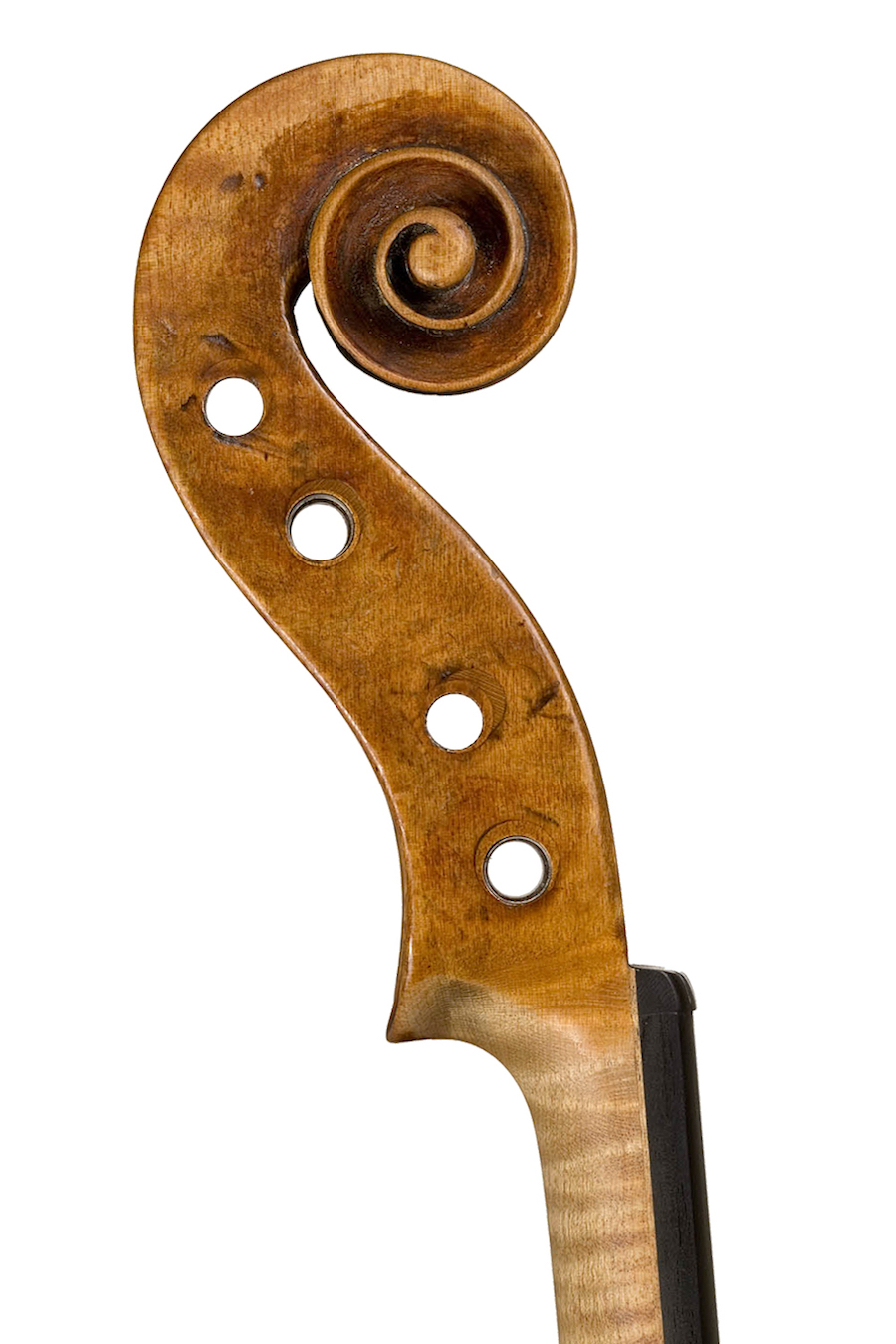
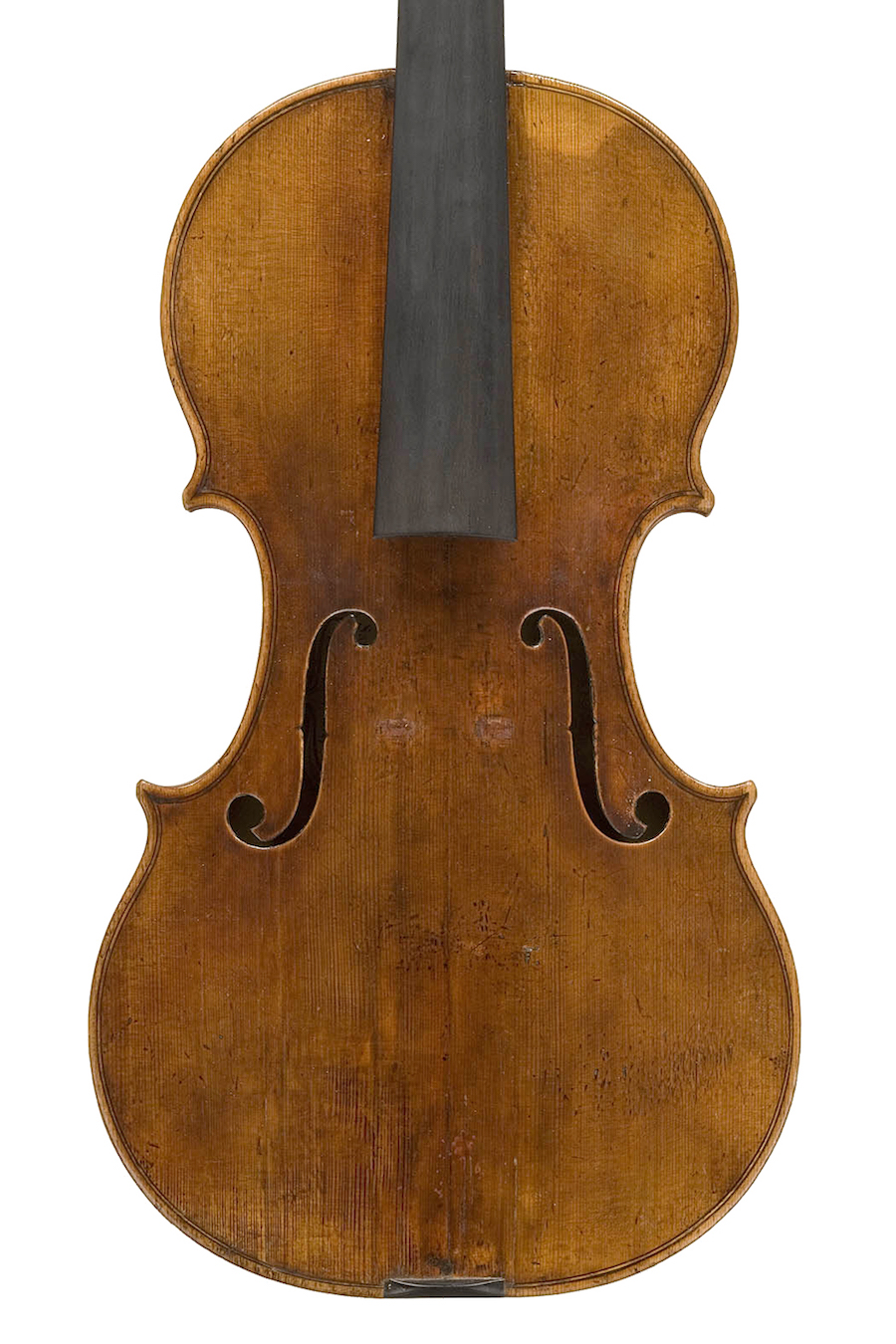
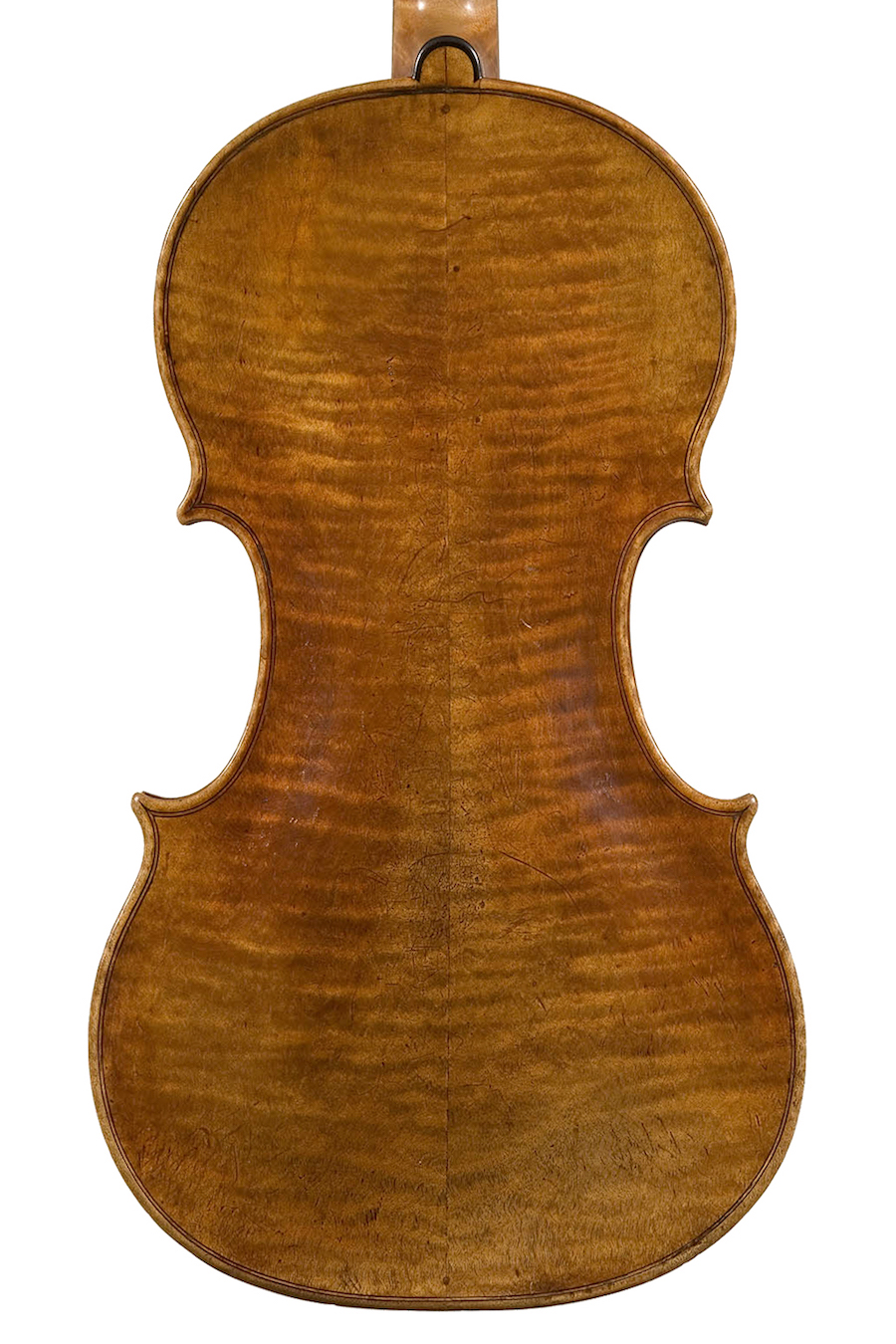
The style of Santo Serafin is unique in Venetian lutherie for its being closely inspired by the work of Nicolò Amati, of whom he was able to emulate the refinement, the degree of precision and finishing. His body model is thus clearly derived from Amati, while the design of the sound-holes is recognizable in the narrow radiuses assumed by the upper part of stem and eye. The purfling is masterfully inlaid, with a wide white and a very thin black part. The scroll has a deep and hollowed throat, and the eye is displaced towards the front of the volute; viewed from the front, the fluting joins in a single arch under the throat and the peg box is finished with a small semicircular cut at its upper face.