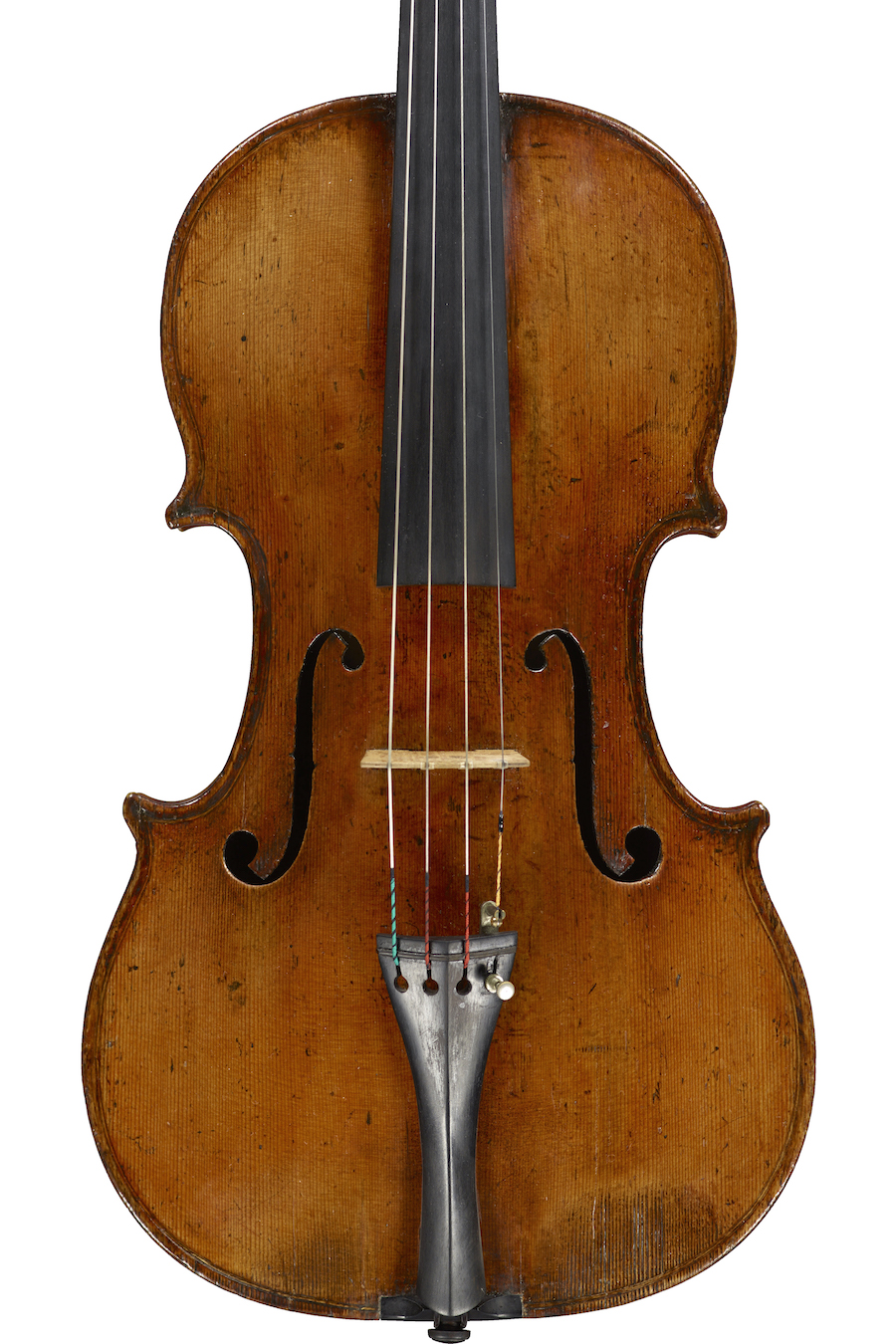
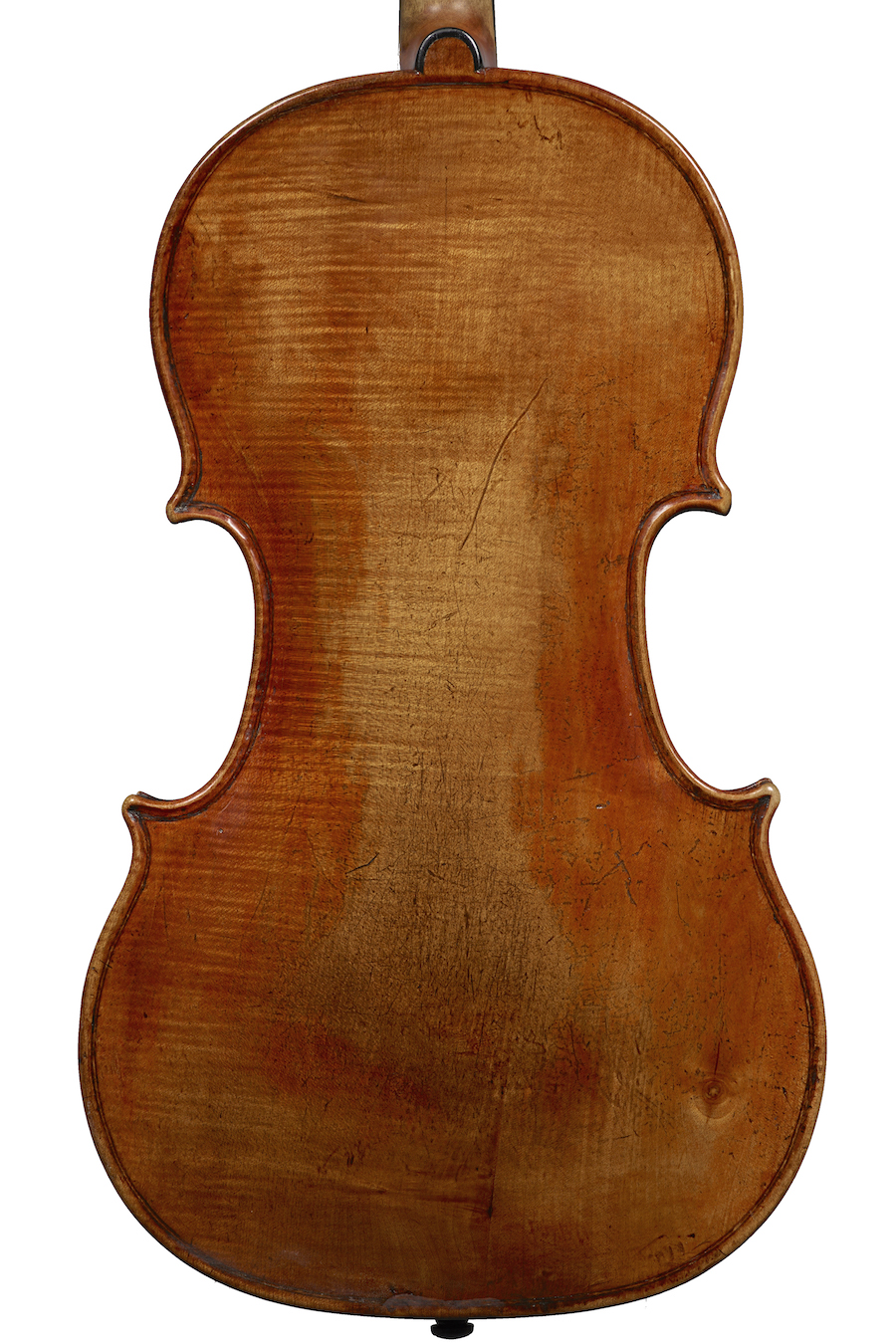
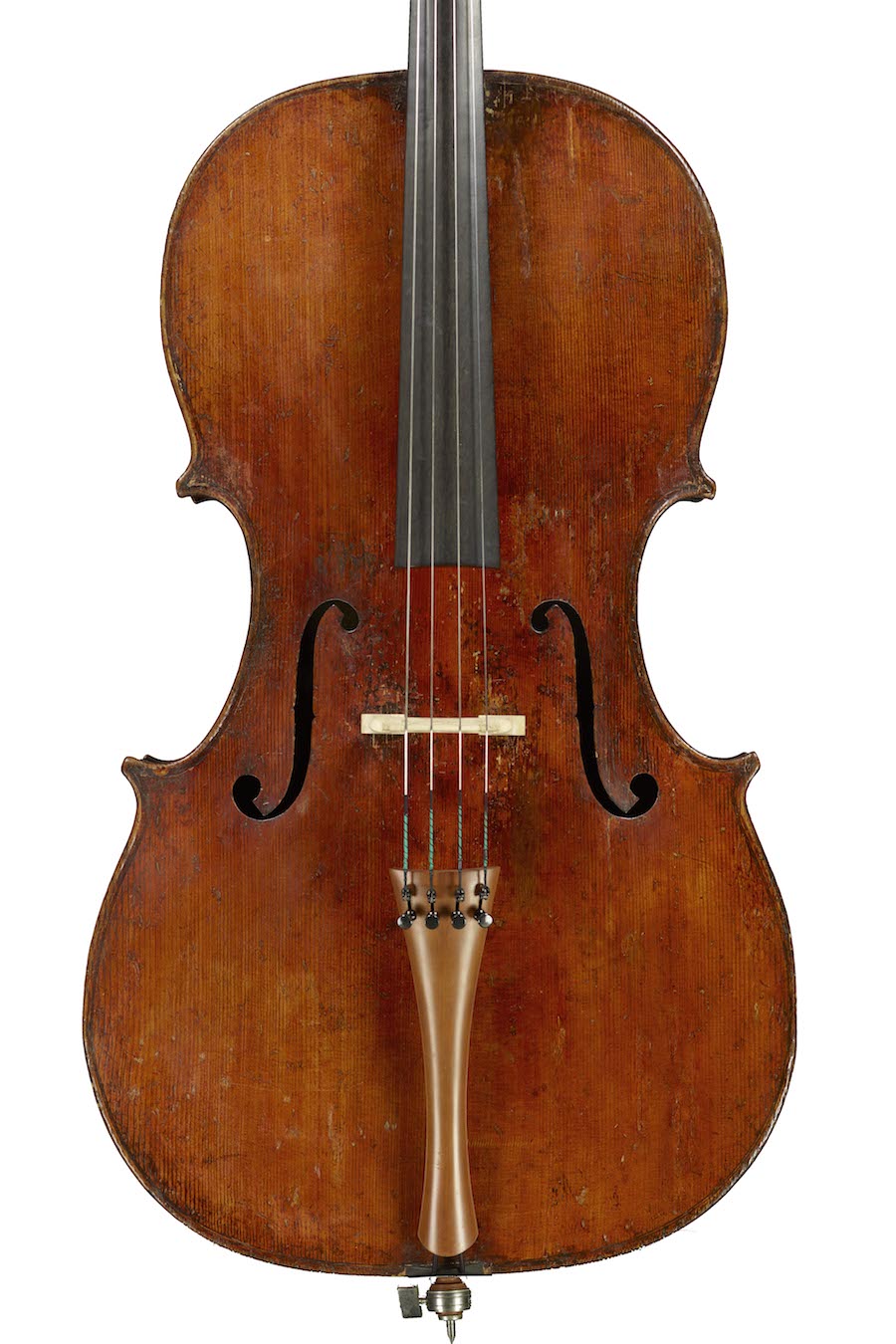
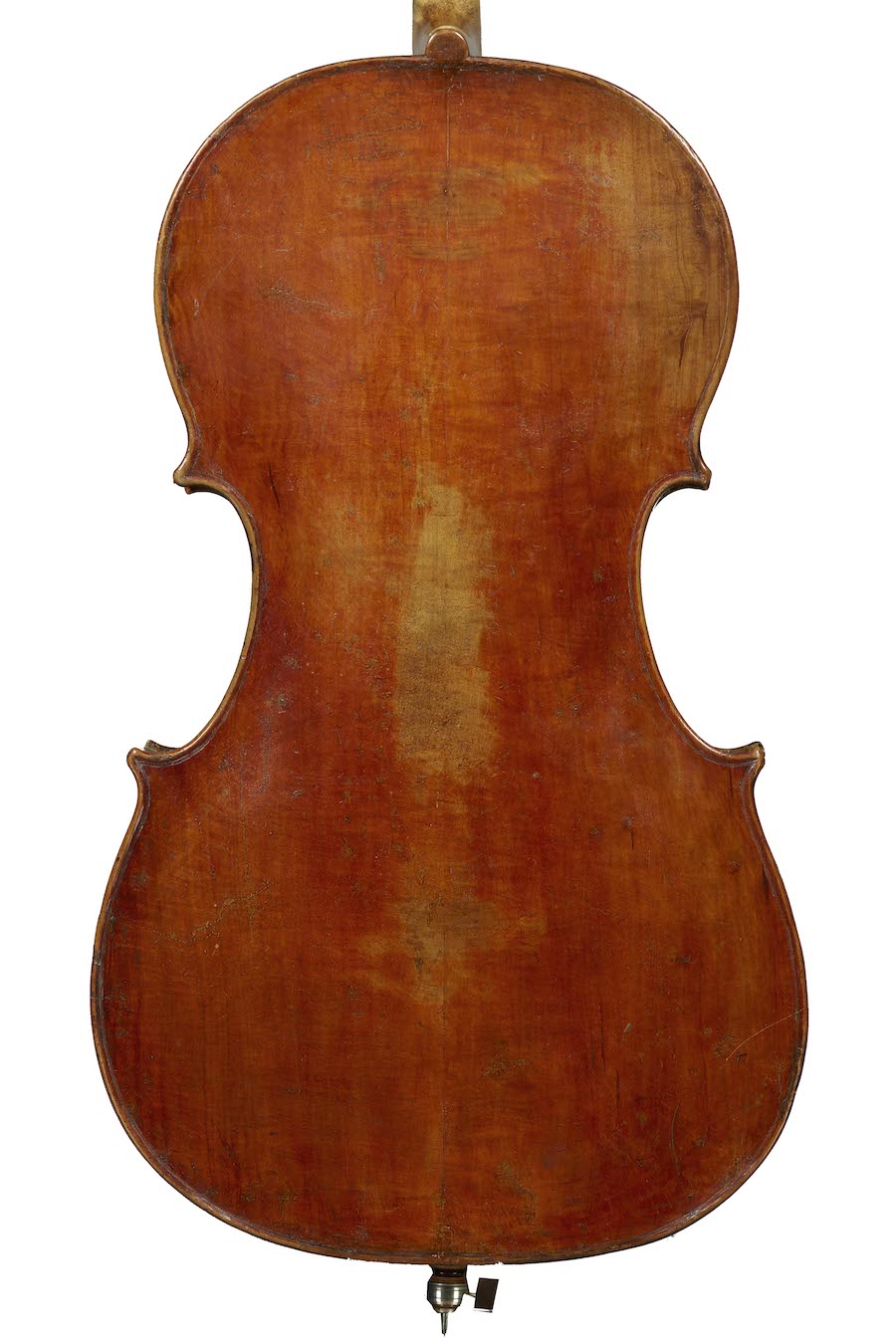
Tommaso Balestrieri was born in 1713 in a small village called Viustino, south in the territory of Piacenza in the Nure valley. At about 18 years of age he moved to Mantua, where, however, he did not initially work professionally as a luthier: in fact, we find him employed as a lackey in some local noble families, including the heirs of the Marquis Carbonelli, a well-known violin collector. His activity as a maker dates to the end of the 1750s, when he joined the local carpenters guild, but only from the early 1760s we see instruments signed with his classical printed label, in which he, similarly to Giovanni Battista Guadagnini, called himself a Cremonese although he was originally from Piacenza.
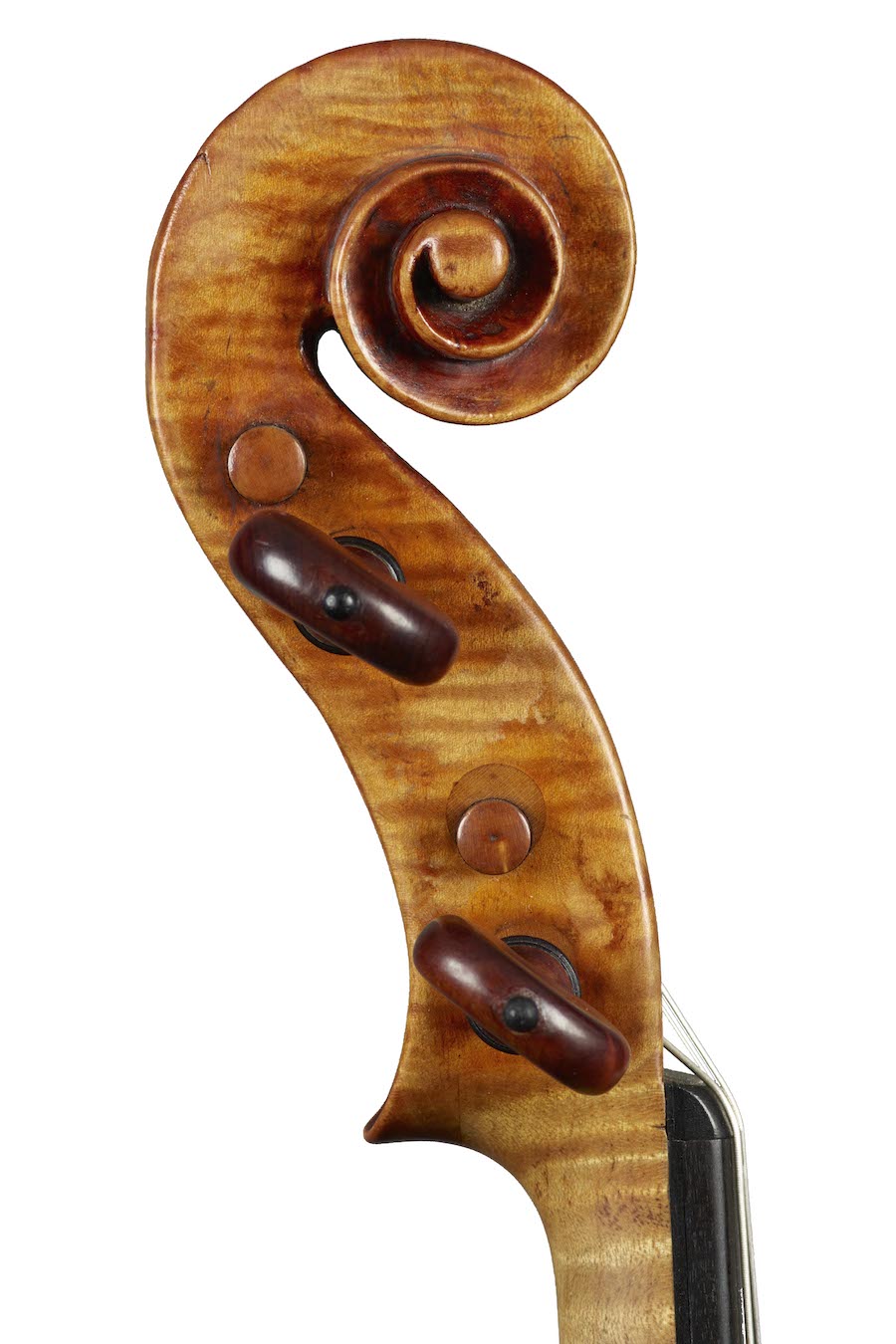
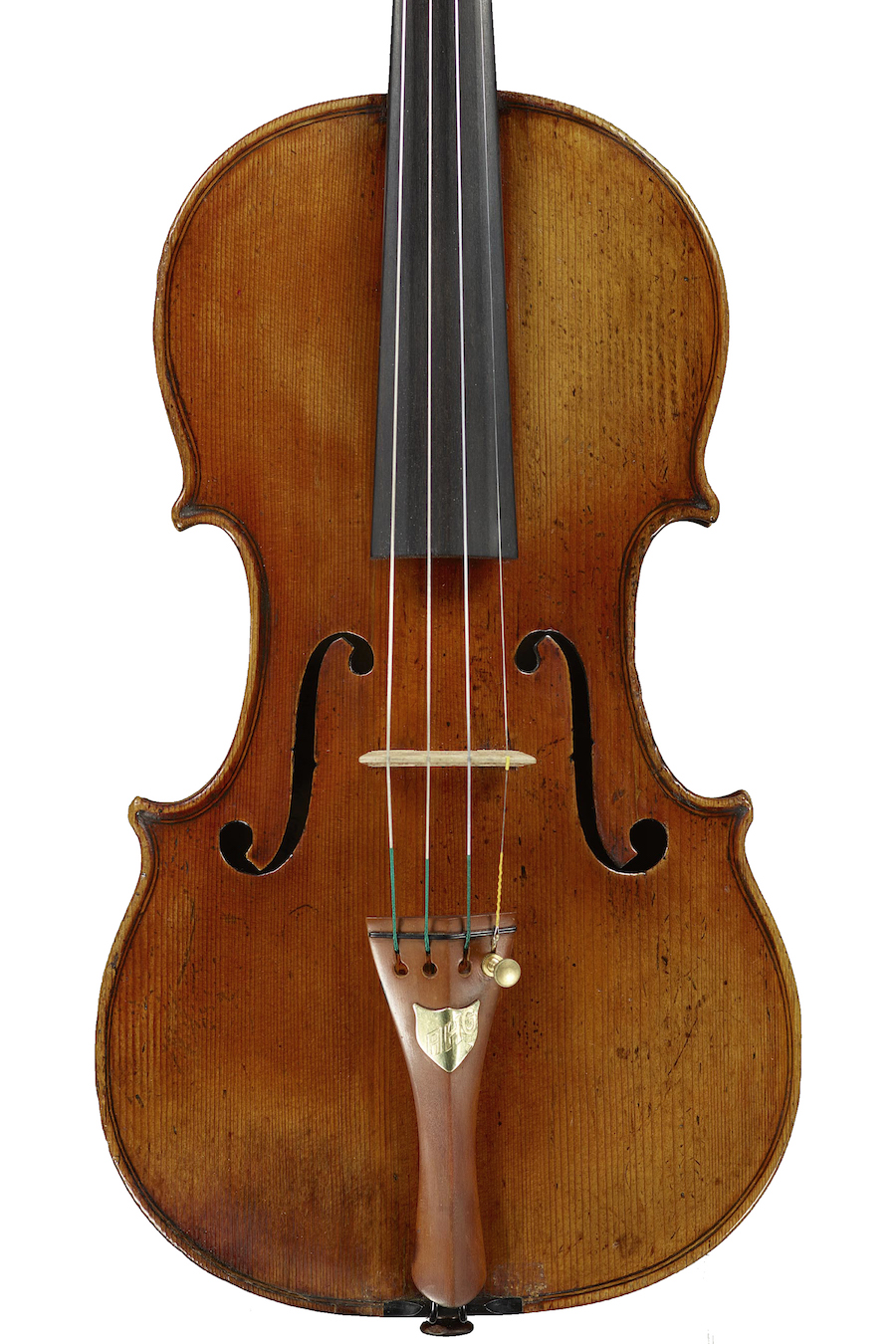
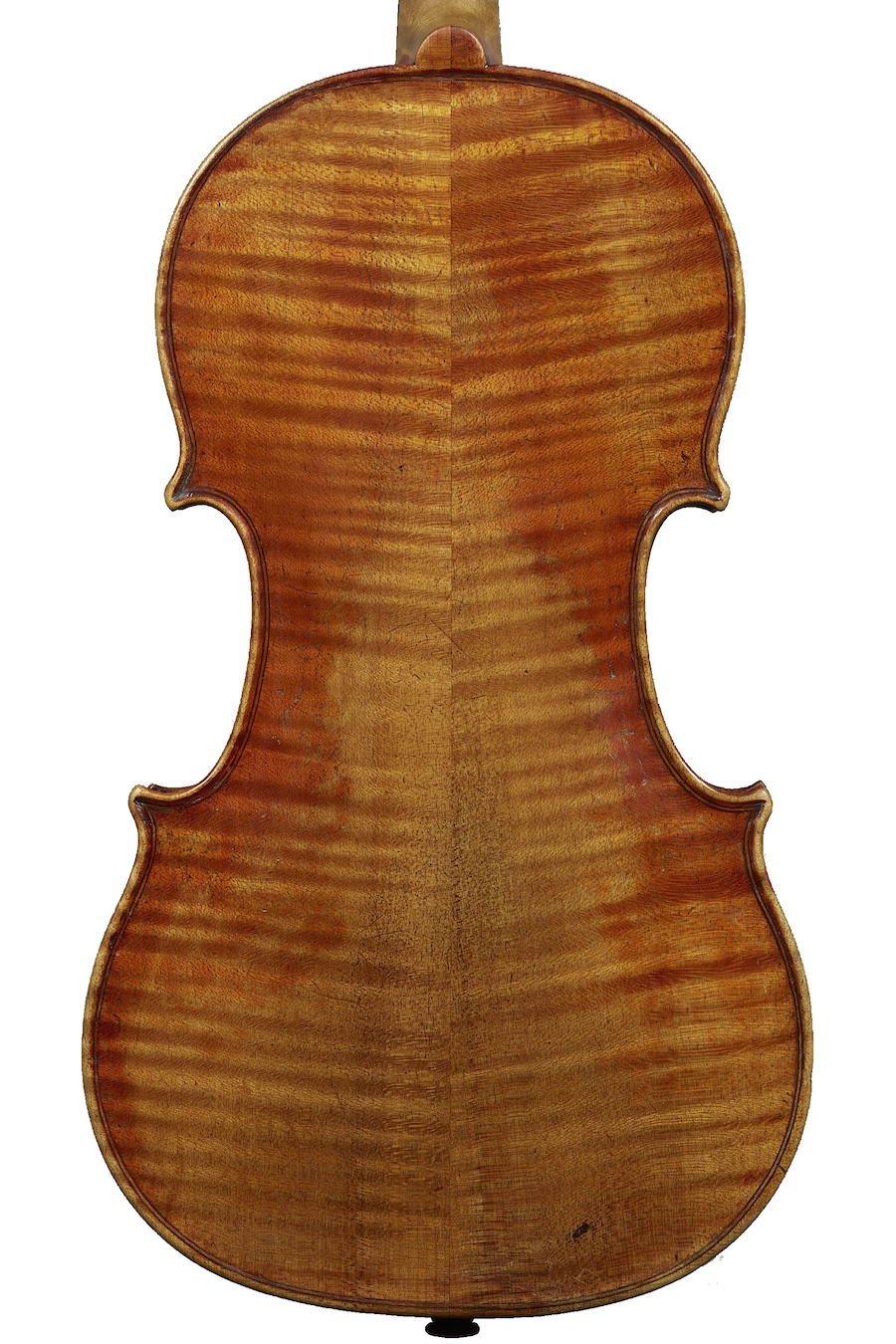
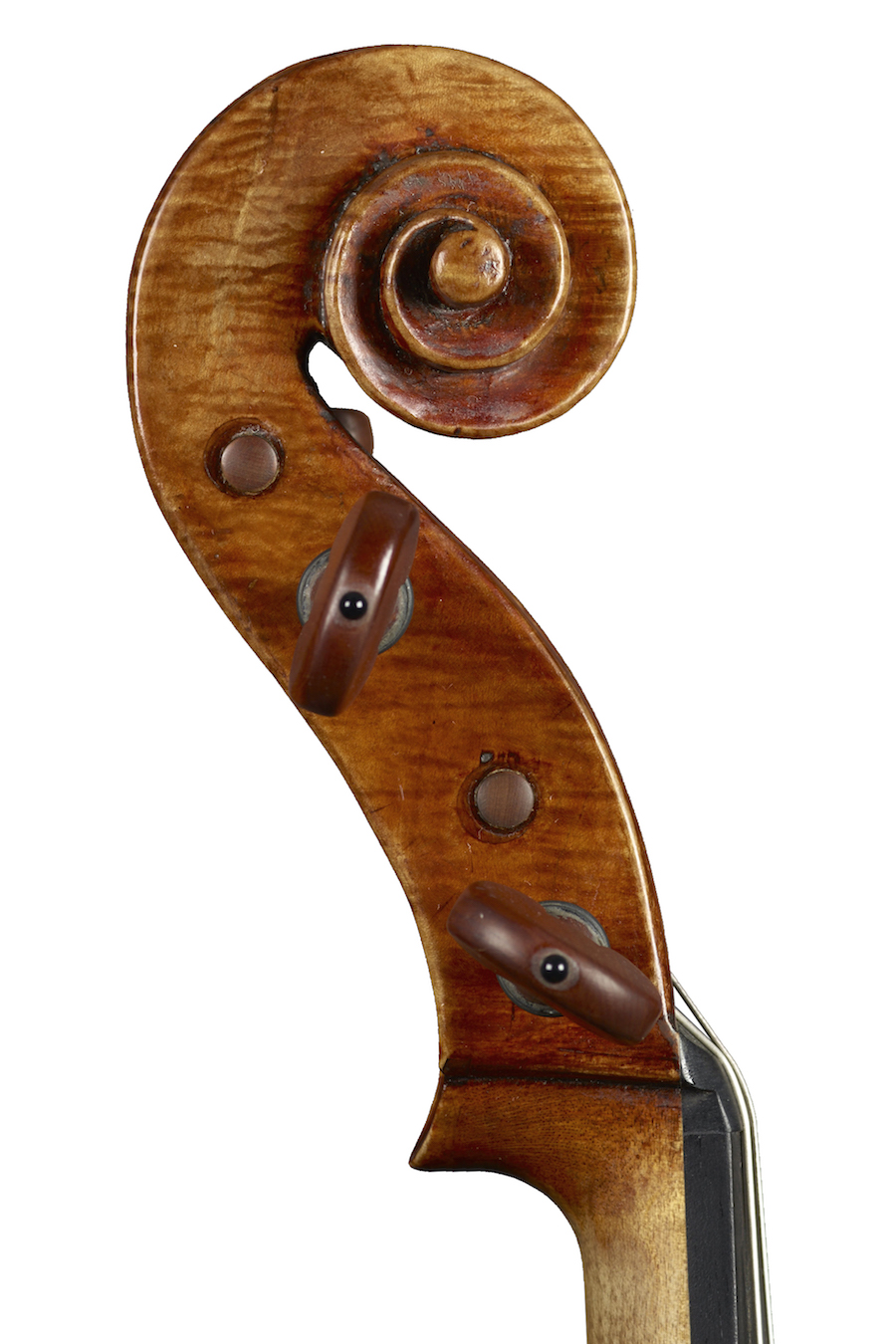
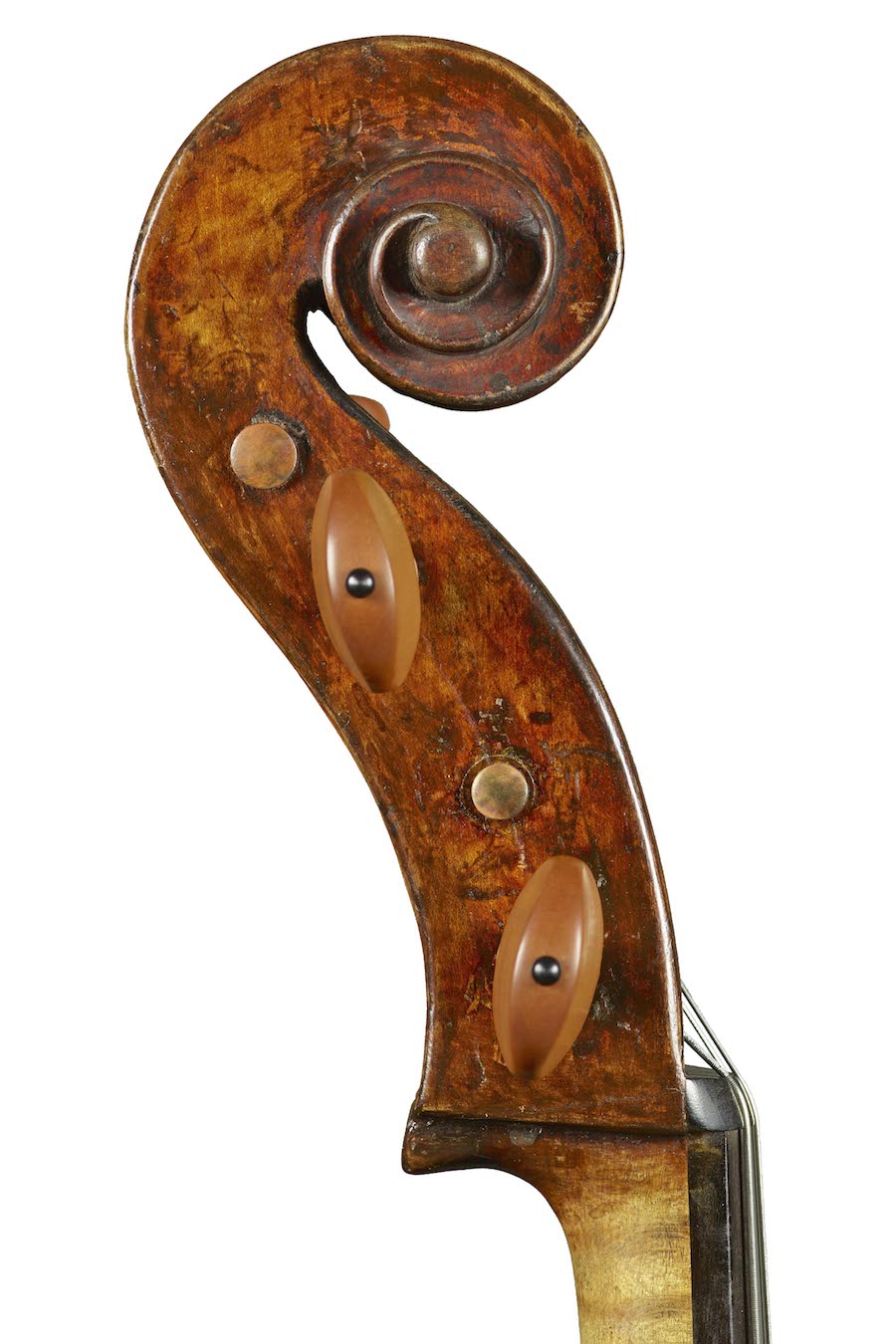
Balestrieri initially preferred a model vaguely inspired by that of Pietro Guarneri, but starting from about 1770 his taste evolved in a more Stradivarian sense, adopting a lower and flatter arching. The sculpture of his heads is highly personal, with the scroll ending at the top of the eye and the front of the volute having a markedly hollowed center line. Initially more delicate and precisely worked, over the years his heads became stronger and more massive, while his F-holes took on a more elongated and characteristic model. Balestrieri died without heirs in Mantua in 1796, although his production, which included a large number of violins, but also violas and cellos, had a deep influence on his indirect successors, such as Alessandro Zanti and Giuseppe Dall'Aglio.