Born in 1842 in Merlara, a town east of Padua and Venice, Eugenio Degani received the first rudiments of violin making from his father, Domenico, and also worked during his youth for an organ maker before moving to Montagnana with his family and opening his first workshop in the 1872. In 1888 Eugenio went to Venice where he lived and worked until his death in 1901.
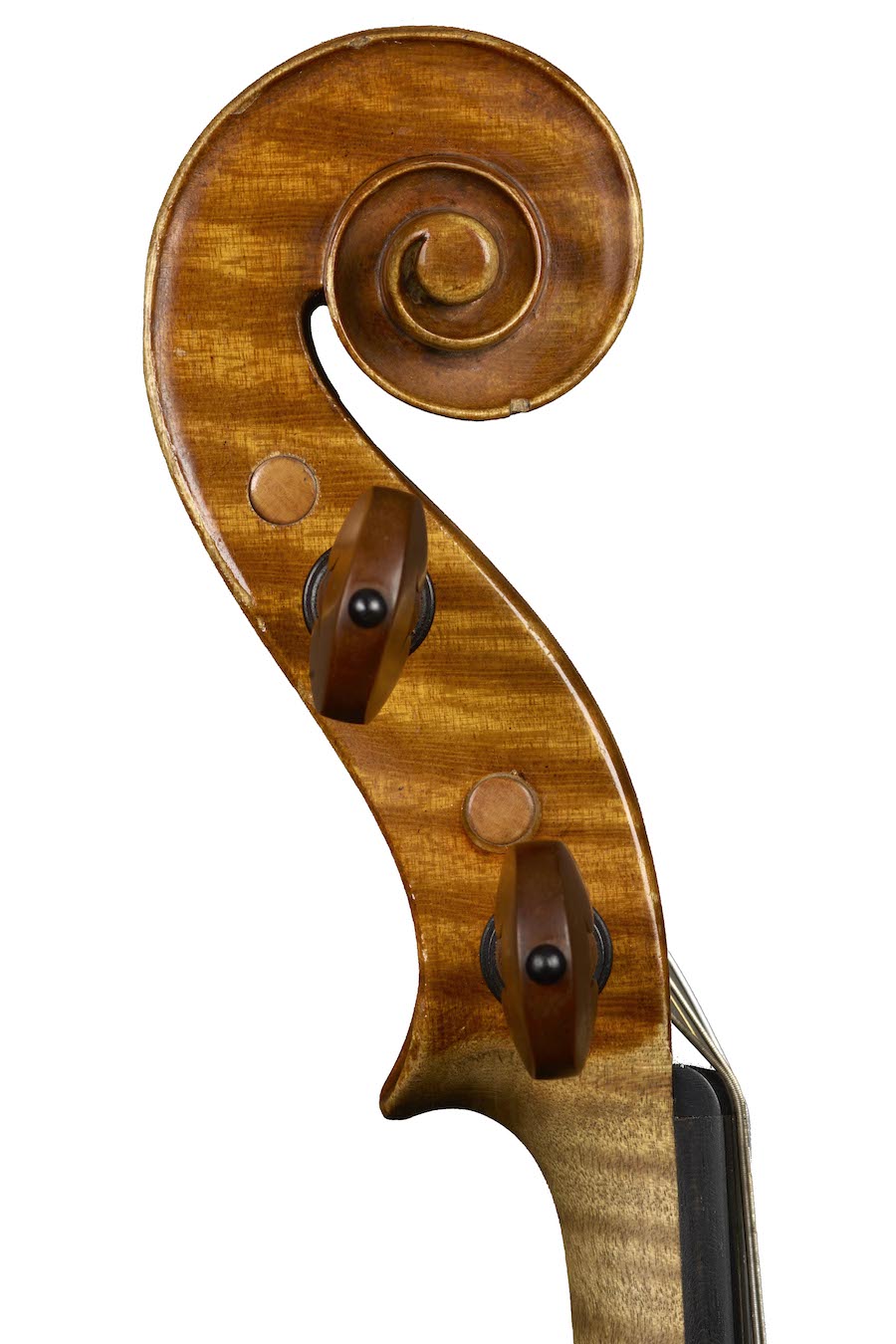
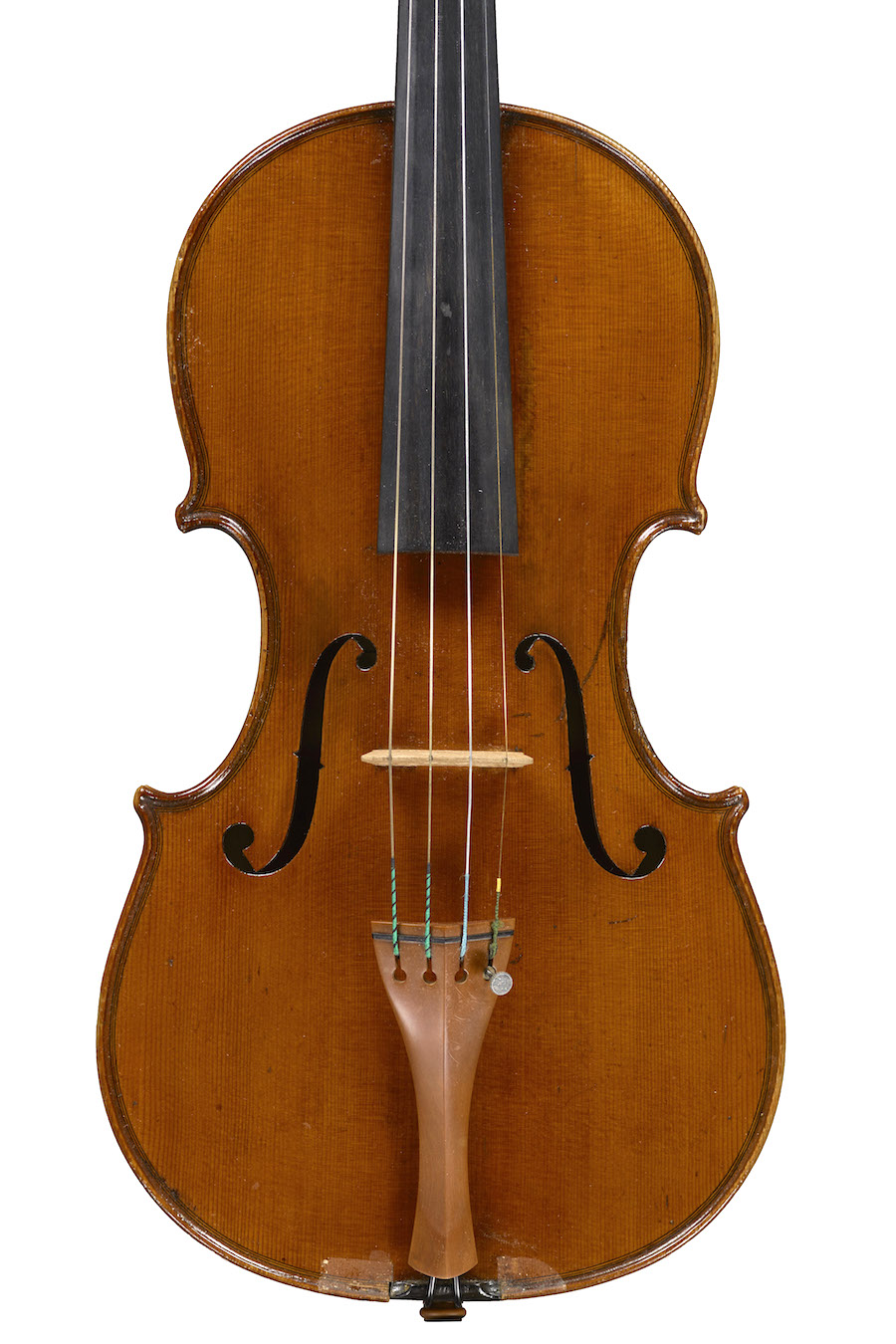
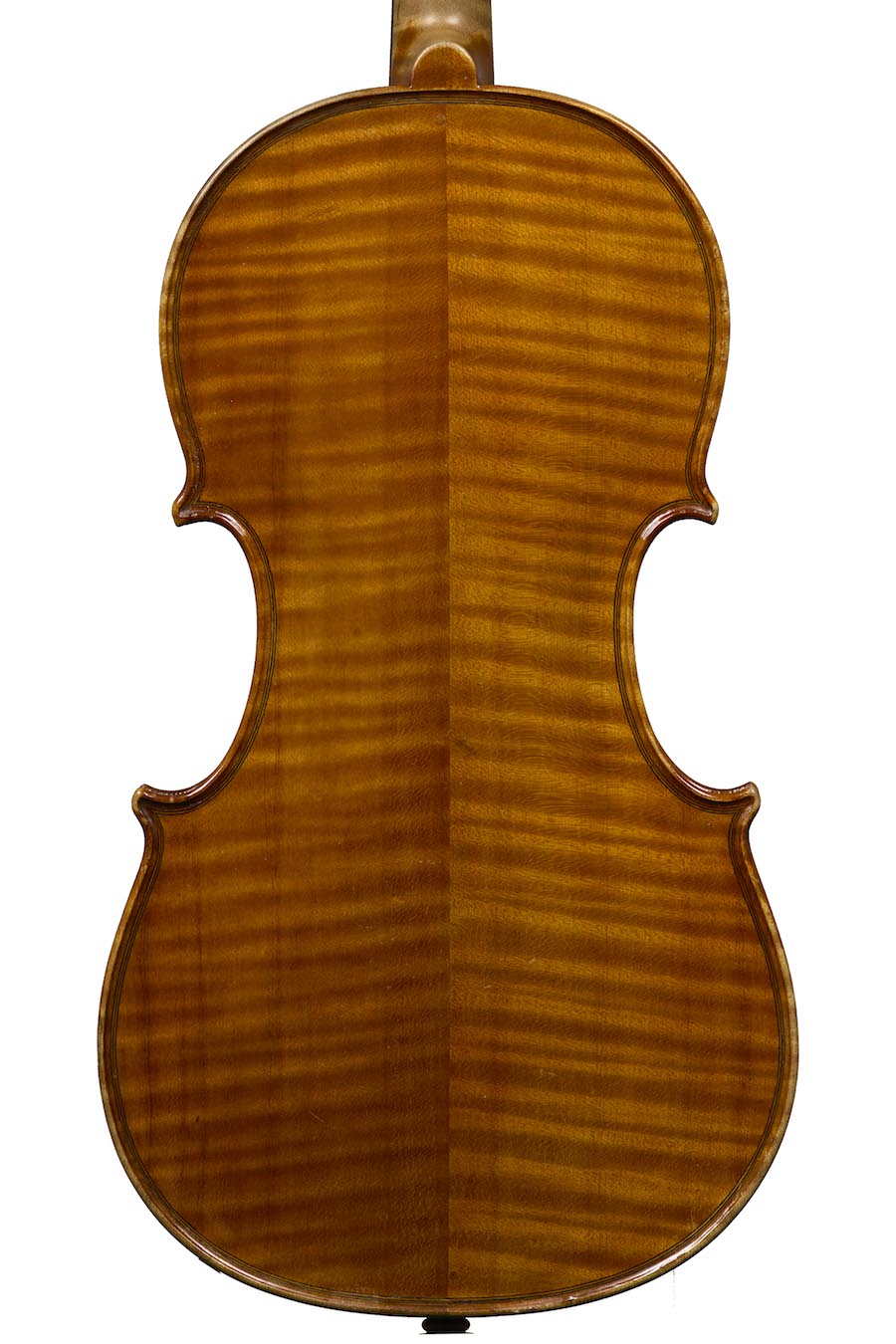
The style of Degani, who is considered the founder of the 20th century Venetian school, is very personal. His violins are often based on an elongated and elegant pattern, which is also taken up in the design of his F-holes; the workmanship is accurate, with well-proportioned corners. The fluting of the plates is quite deep, the edges well rounded and the purfling, inlaid with precision, is occasionally formed of five strips instead of three. The head is also very original, and it often shows a deep fluting on the side of the scroll which is extended down to the peg-box.
Degani played an important role in forming the following generation of violin makers: in addition to his son Giulio, he also trained his nephew Giovanni Schwarz and Ettore Siega.