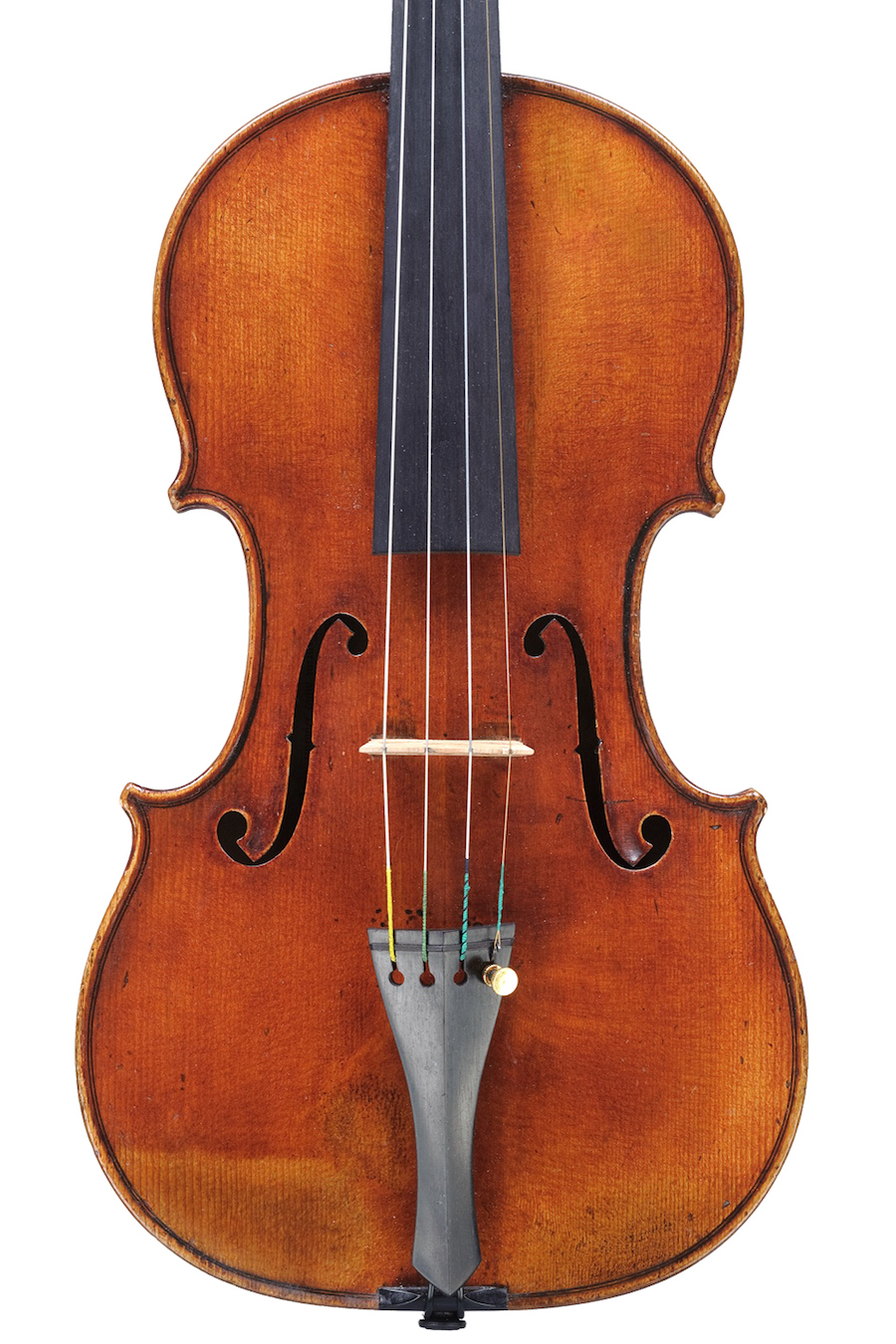
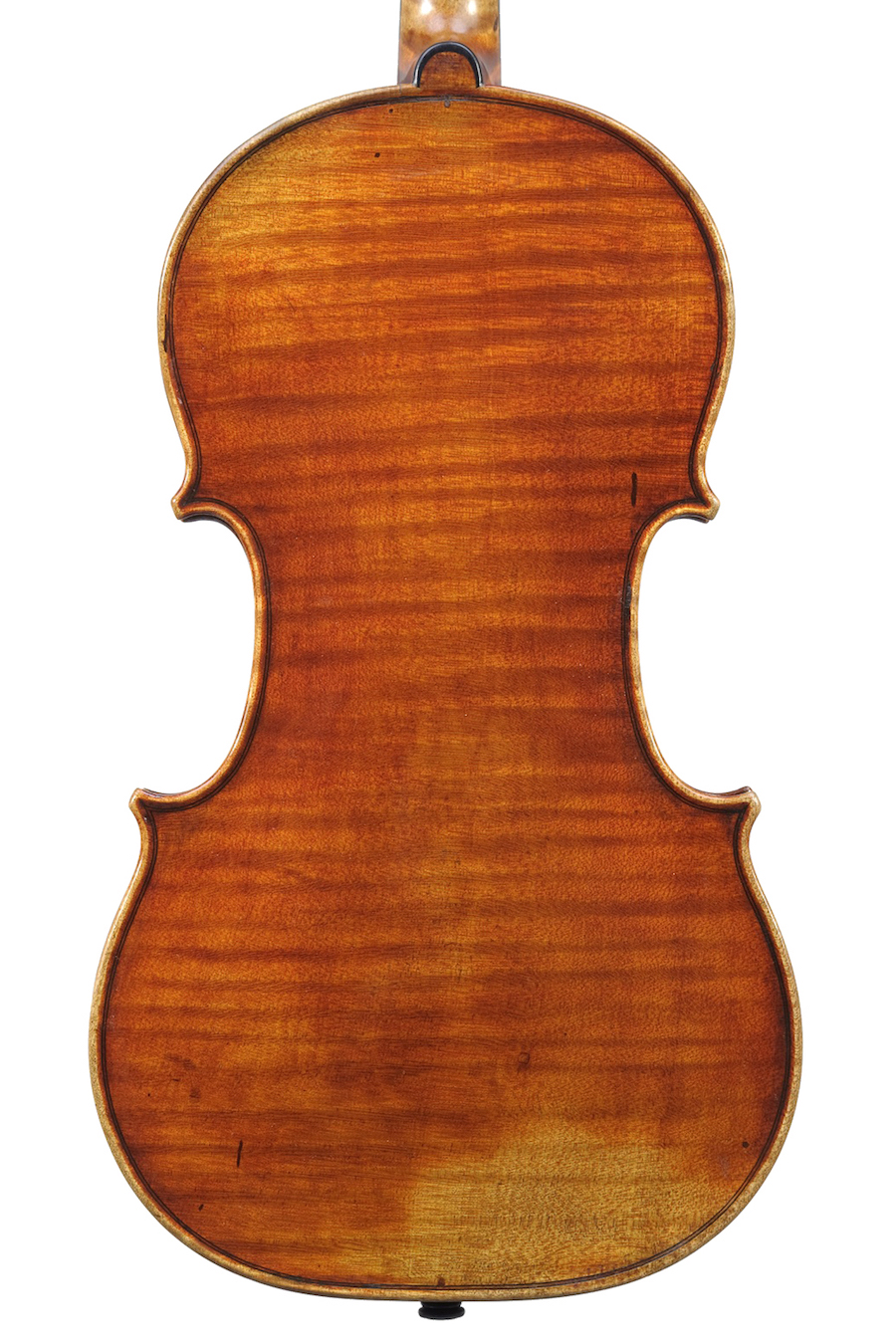
The myth concerning Giovanni Francesco Pressenda, for which he would have learned the craft in Cremona at a young age as a pupil of Lorenzo Storioni, probably originated in the tales told by the luthier himself, later credited by a biography published by Benedetto Gioffredo Rinaldi.
In reality, it seems that Pressenda, born in 1777 in Lequio Berria, near Alba, only exercised the profession of violin maker after moving to Turin with his wife around 1818, having passed already forty years of age. There he began working for the French instrument makers Lété-Pillement. After a few years Pressenda set up on his own, being assisted by French workers (in particular Joseph Calot and Pierre Pacherel) and later also by Giuseppe Rocca.
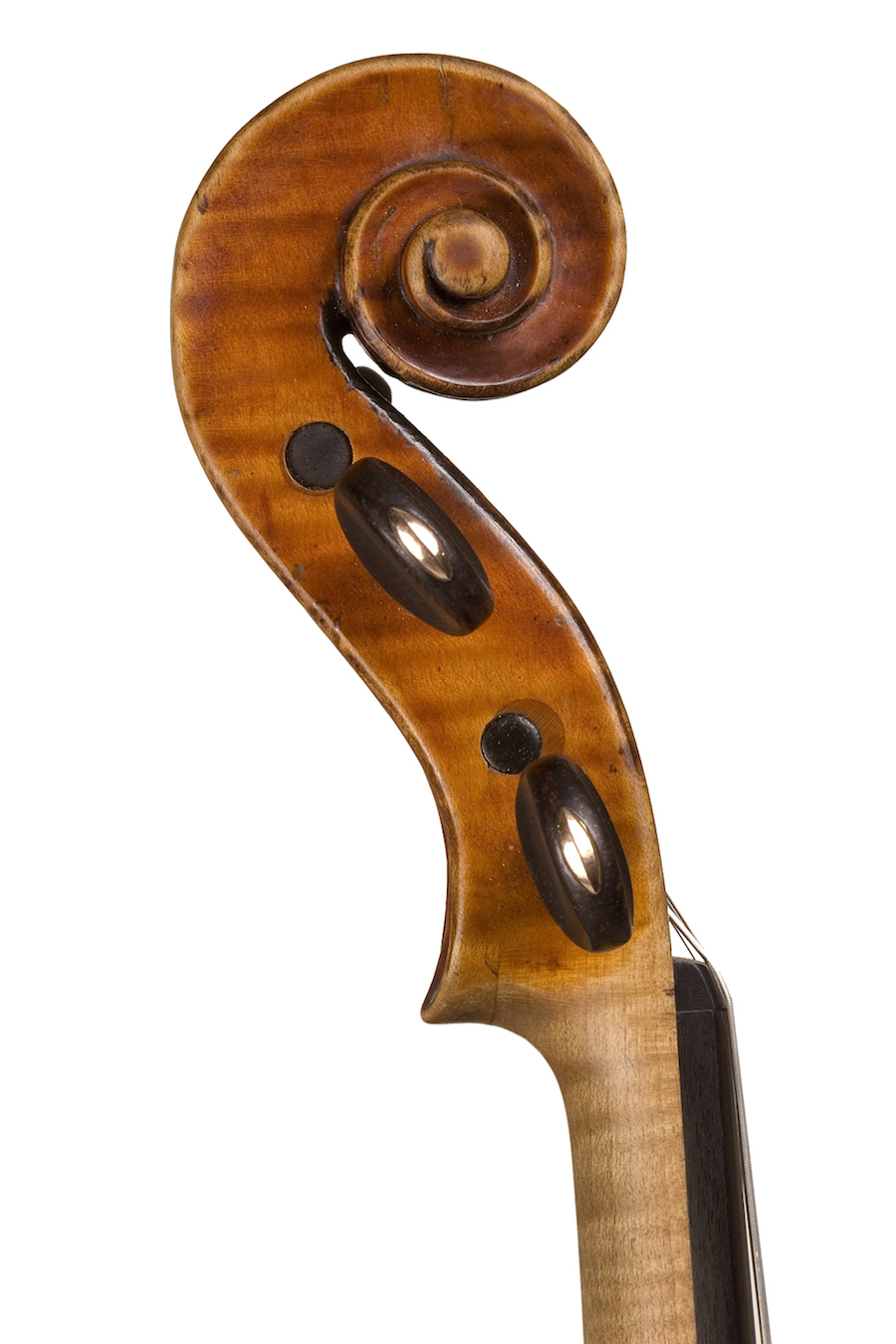
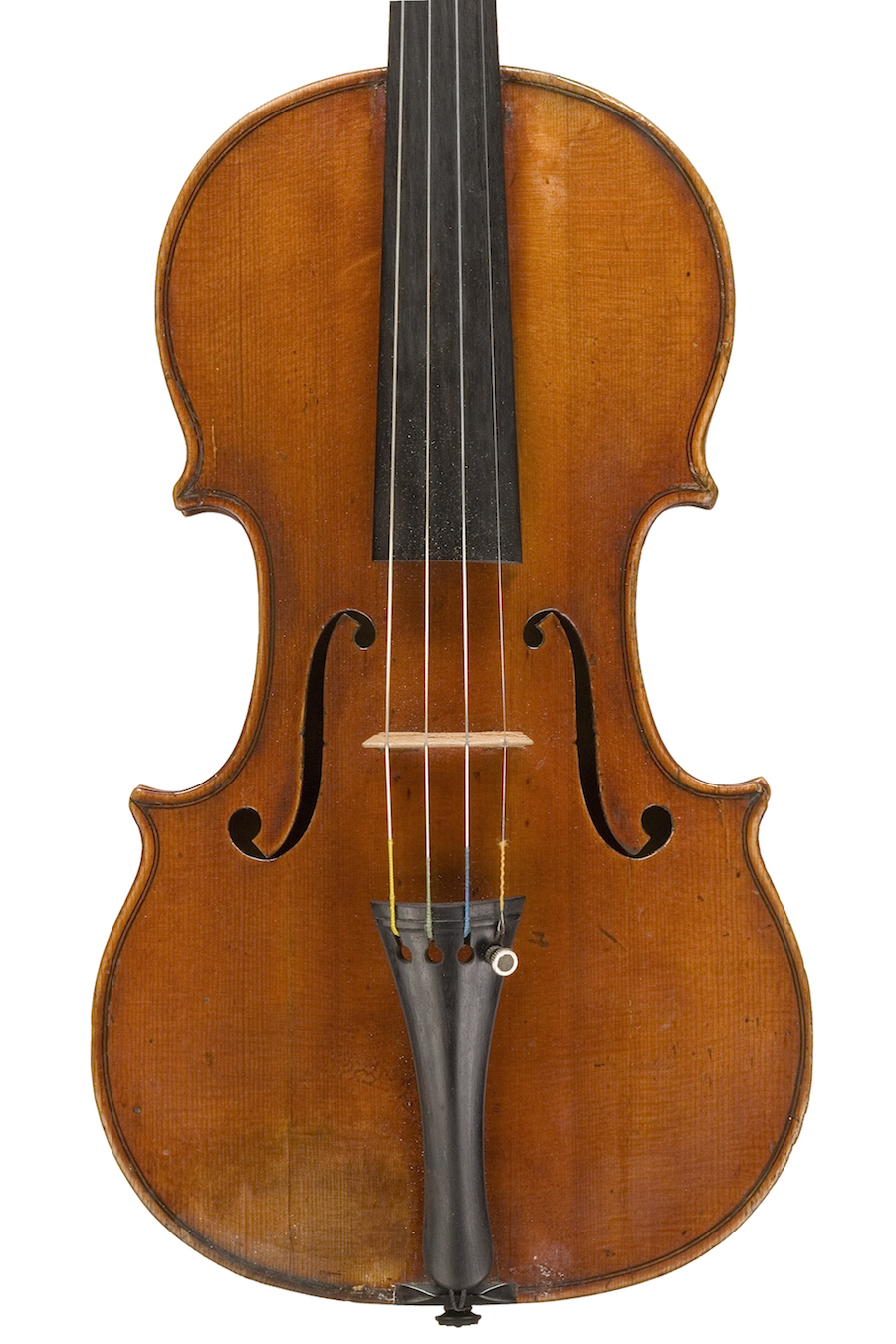
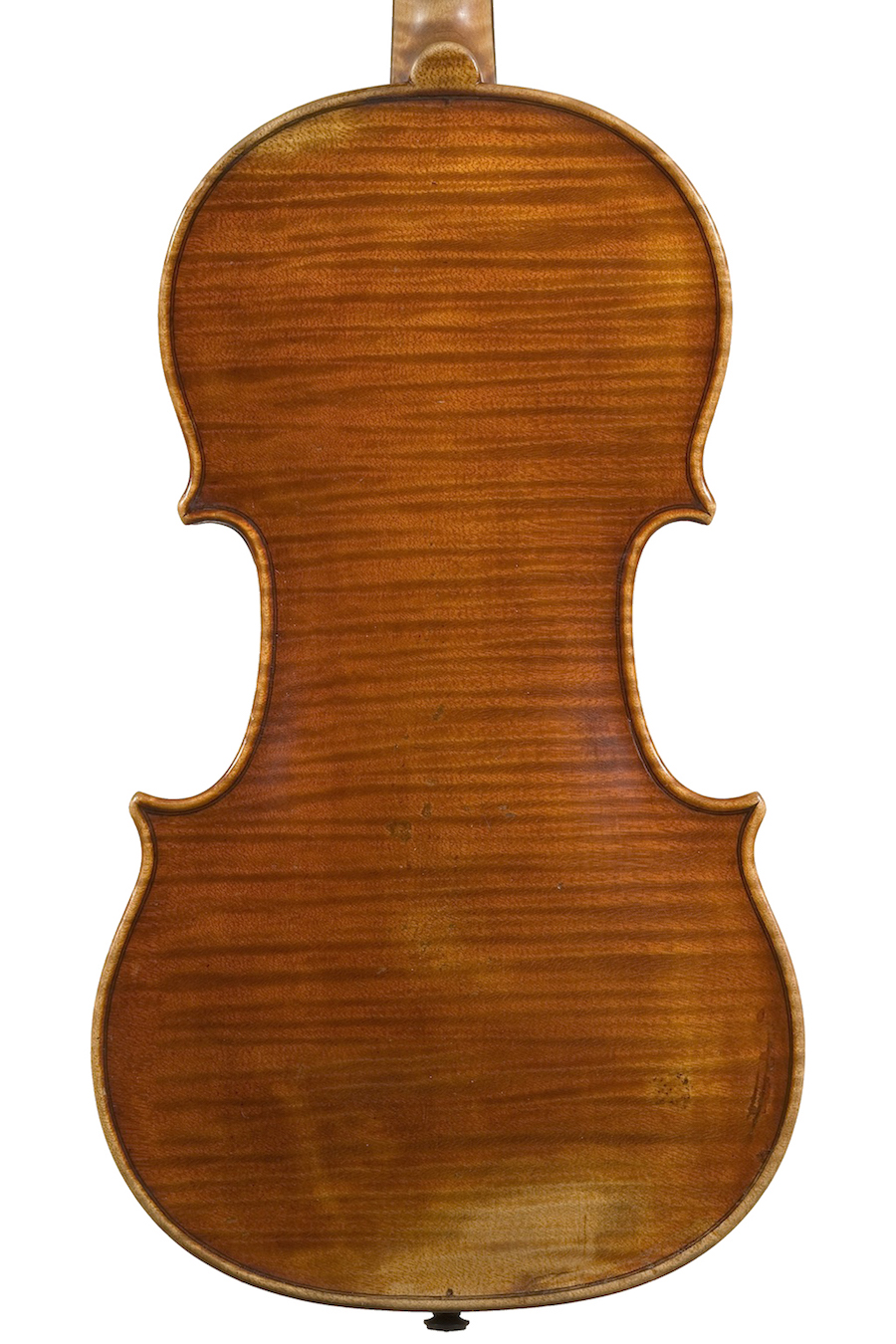
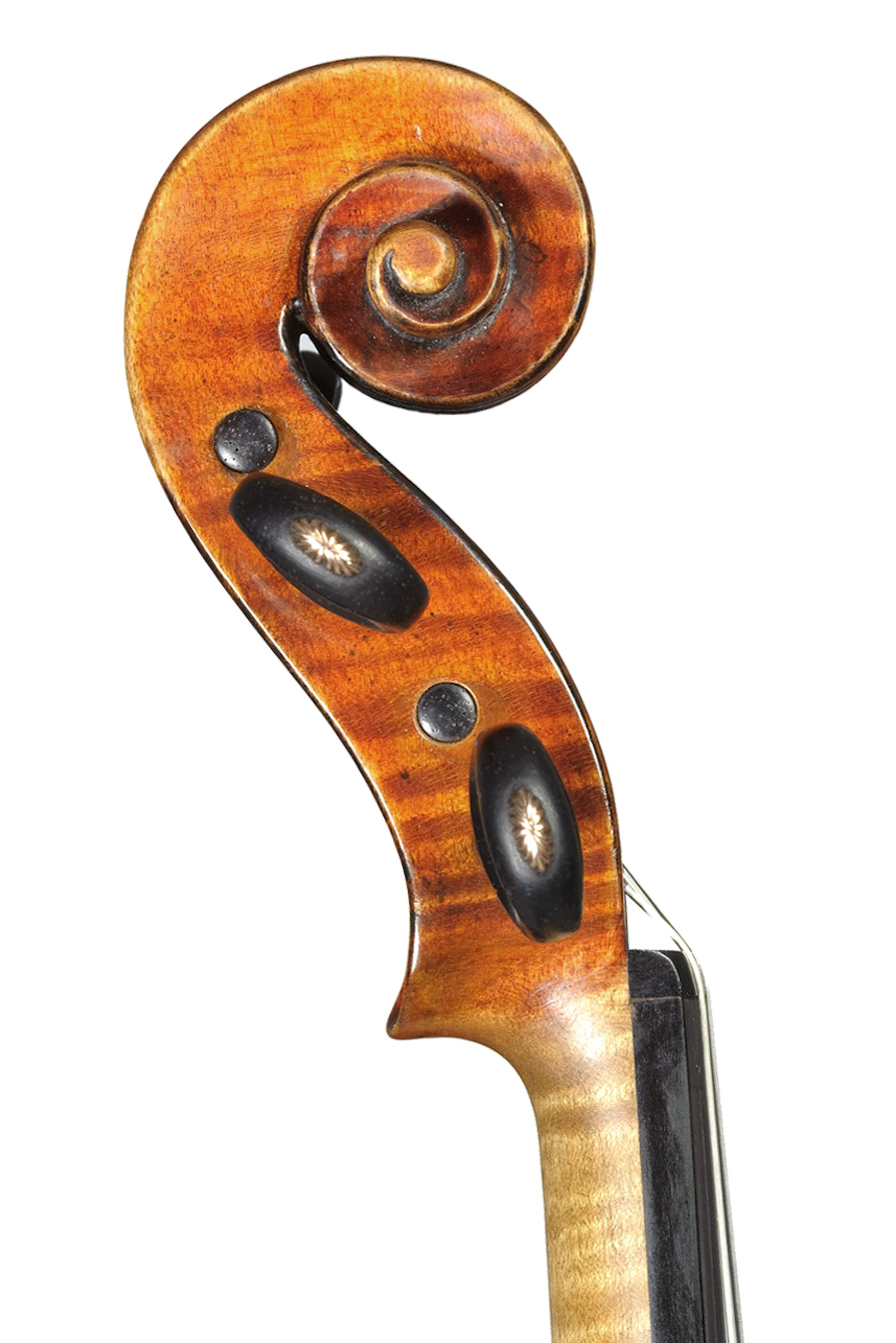
Pressenda's initial style was therefore strongly influenced by the French taste of his period, from which he departed however rather quickly to create his very personal instruments. His model, derived from those of Mirecourt, was inspired to Stradivari, with very straight, square C-bouts and with the corners projecting outwards. The purfling was usually placed close to the edges, and reached at the joints almost to the outer edge of the tips. Over the years he developed these characteristics creating a very original style: compared to Stradivari the F-holes are rather elongated and with sharper wings, almost in a synthesis with Guarneri del Gesù. The head is perhaps the part that most clearly reveals the intervention of others. In its most typical style it has a wide volute, a good-sized eye and a bowl-shaped fluting. Pressenda's fine varnish is a very characteristic feature of his instruments: with a rich fat consistency and a deep red color, it tended to penetrate slightly into the wood and take on a fascinating wear over time.