Born in Naples in 1835, Vincenzo Postiglione was perhaps following in his father's footsteps (his father, also named Vincenzo, apparently made some instruments), although his training is attributed to an apprenticeship with Vincenzo Jorio between 1847 and 1852.
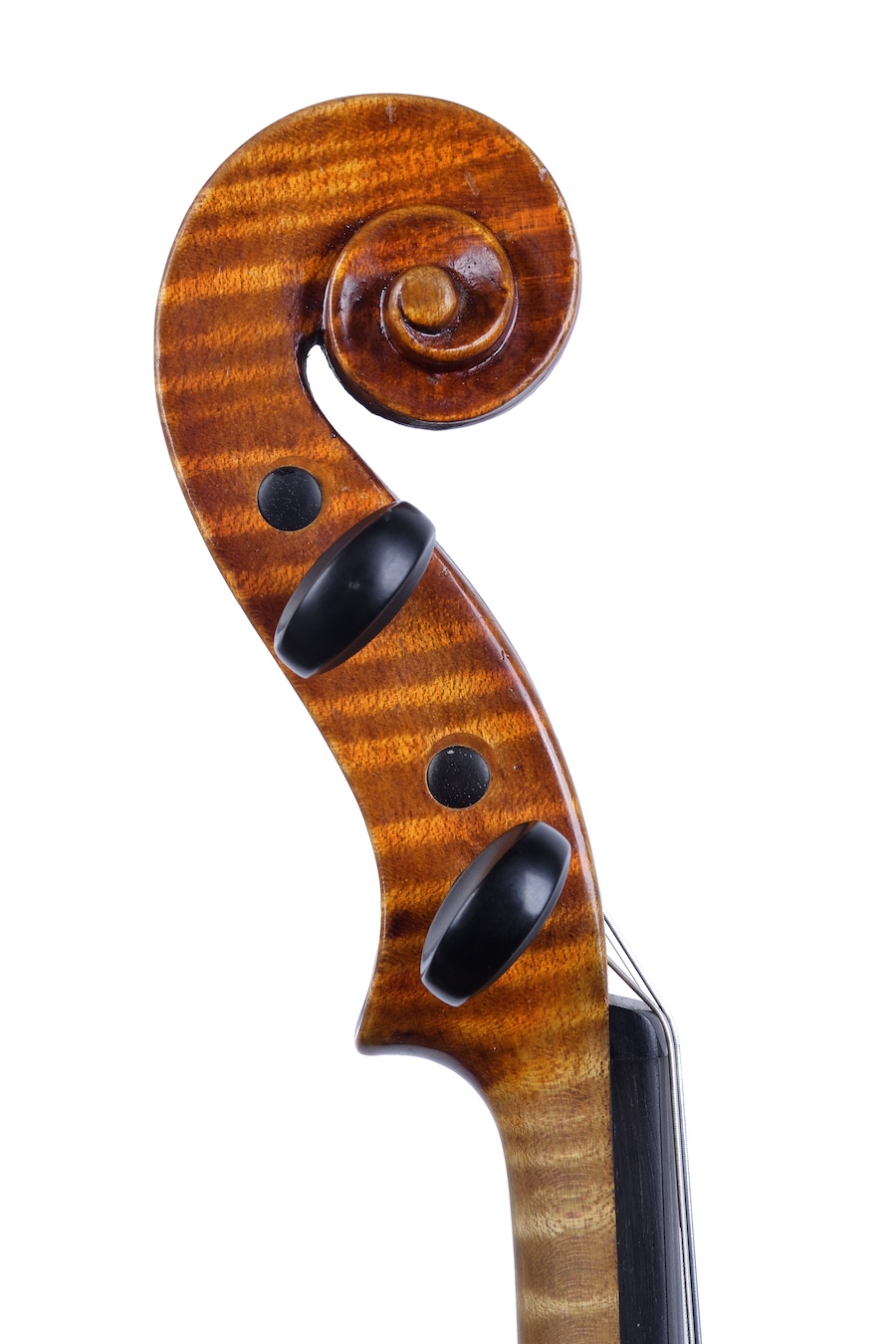
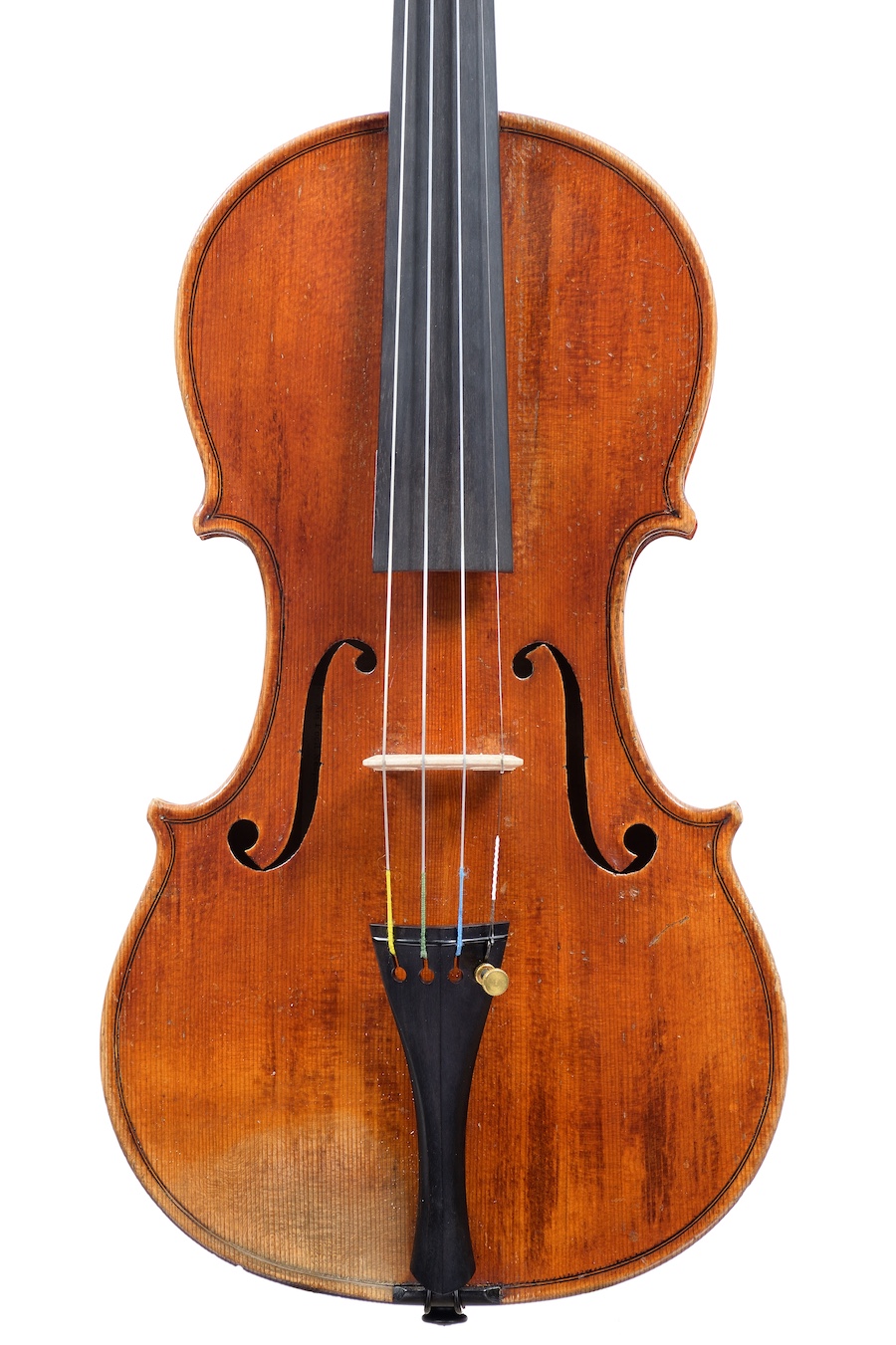
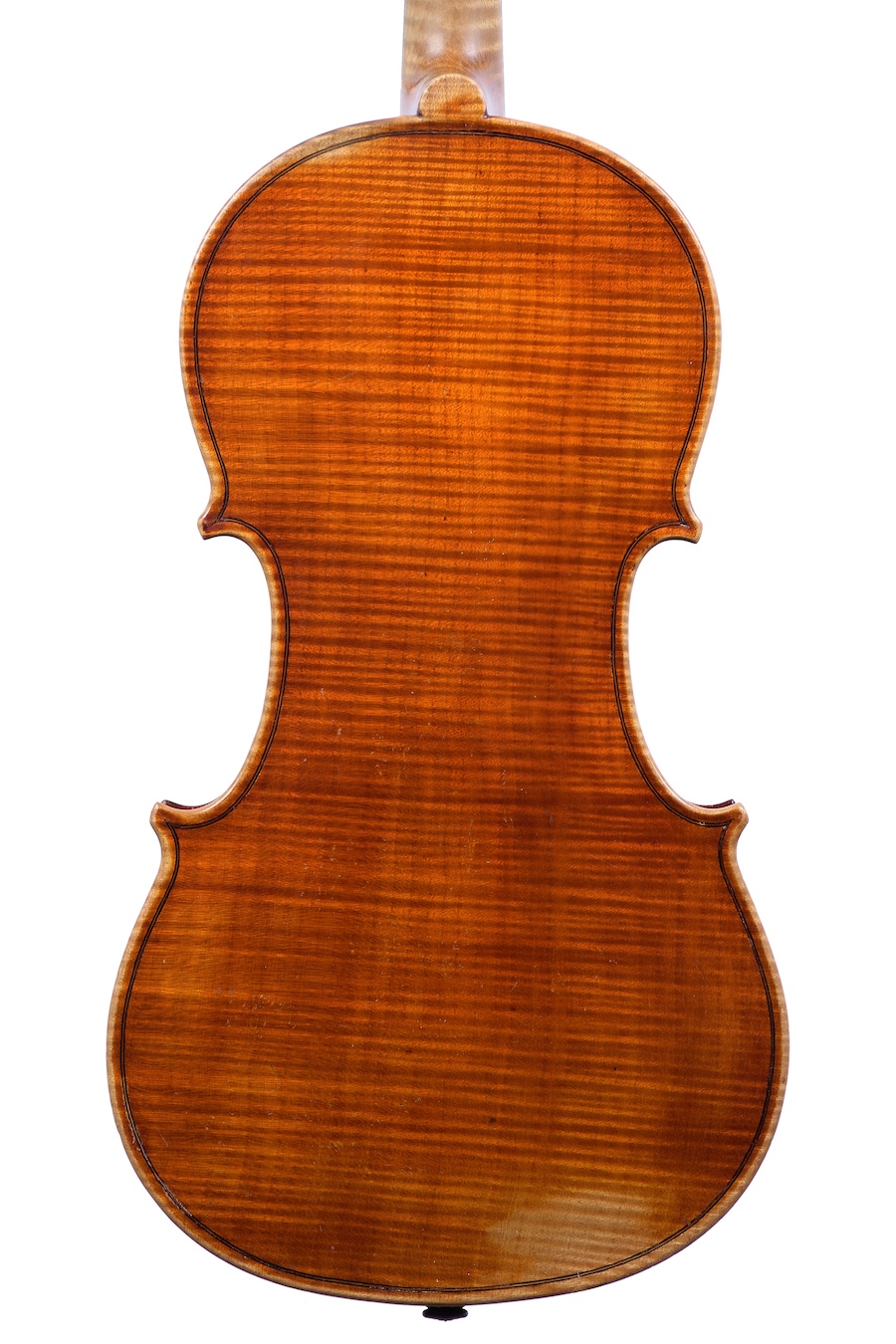
After opening his own business in Naples in 1855, Postiglione made various types of instruments, continuing in the local tradition. However, his most significant innovation was probably the introduction of classical Cremonese models to the city, including those of Guarneri del Gesù, and the importation of “copy” finishing techniques that had already been in vogue for several decades in various European capitals. Despite this updating of the Neapolitan school, which was only partially adopted by his successors, Postiglione's instruments retain an original character. The models of the body and sound holes are classical and well balanced; the thin, elegant purfling is inlaid in a rather internal position; the head usually has a small, rounded scroll and a slender, straight pegbox.